In the context of the rapid development of modern science and technology, conductive materials become an integral part of research into electronics, energy and new materials. As the demand for conductive performance increases, how to understand and optimize the properties of conductive materials becomes a challenge for many scientists. It is by no means static and is influenced by material properties, temperature, impurities and defects, stress and deformation, environmental factors, etc. This paper will explore these factors in depth and look forward to future trends and applications。
Material characteristics: conductivity base
In the first instance, electrical conductivity is closely related to the type of material. Metal materials, such as copper and aluminium, are generally relatively conductive. The conductive performance of semiconductors and insulations is relatively poor. In addition, purity of materials is an important factor. High-purity materials have a smoother flow of electronics and are therefore better conductive. For example, metal materials with a purity of 99. 99 per cent or more in electronics ensure quality conductivity。
Effects of temperature: competition between cool heat
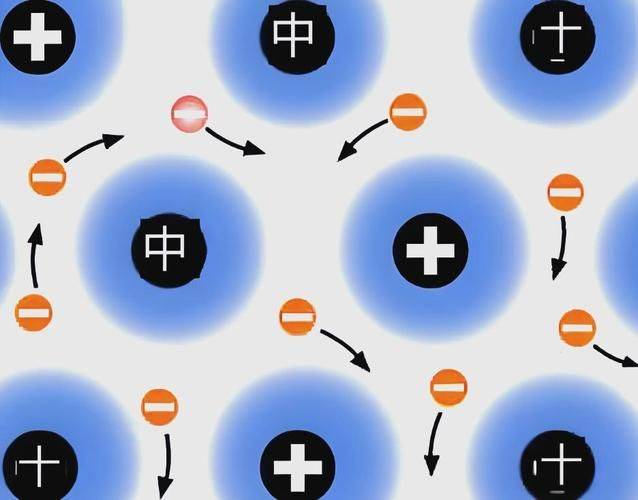
Temperature has a significant effect on conductivity performance. For most metals, conductivity is reduced when temperatures rise. This is because high temperatures increase crystal defects, which hinder the flow of electronics. However, the situation is different for semiconductor materials. As temperature changes, characteristics such as the concentration of the carrier fluid and the width of the energy gap will change, which in turn will affect the conductivity。
Plutonium concentrations: increased temperature, increased heat stimulation, increased concentrations of electrons and empty holes and increased conductivity. Zoom width: in general, higher temperatures reduce the energy gap width of semiconductors and promote electronic leaps, thereby increasing the conductivity rate. Changes in electrical resistance: as temperatures rise, the resistance of semiconductors decreases and the rate increases. Impact of transport rate: thermal vibration increases the frequency of electronic dispersion, but this is often offset by the positive effect of higher temperatures and higher rates of electrical conductivity. Impurities and defects: the existence of a double-edged sword
The impact of impurities and deficiencies on conductivity is also an element that cannot be overlooked。
Impurities: master impurities (e. G. Phosphorous) can provide additional free electronics to enhance conductivity, while recipient impurities (e. G. Boron) may reduce conductivity. Impurities concentrations are also critical, with semiconductors likely to be insulated at low concentrations and high concentrations significantly increasing conductivity. Deficiencies: point defects, line defects and face defects in materials directly affect the concentration and transport rate of the carrier, and thus the overall conductivity. Point defects, for example, can provide additional electronics, while line defects may create constraints and reduce electronic liquidity. Stress and deformation: impacts from micro to macro
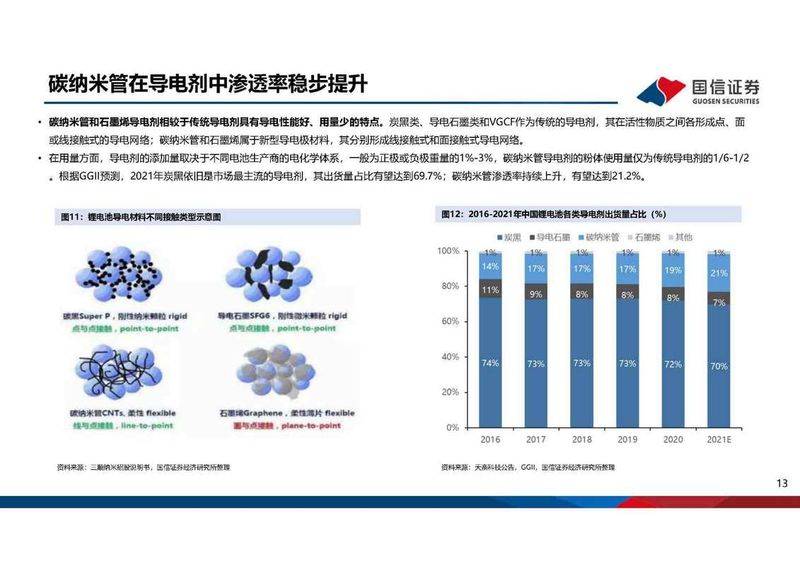
Cold deformations have profound effects on the conductivity of metal materials. During the cold deformation process, the crystal particles of metals are fined, the biting is increased, and they may also trigger microcracking。
Crystal particle finening: small crystal particles contribute to increased conductivity, but excessive positional errors and defects can also lead to increased resistance. Sediment formation and growth: cold deformation can facilitate sediment generation and increase conductivity. Re-clinization and re-fire treatment: following re-fire treatment, resistance is usually significantly reduced, resulting in the restoration and upgrading of the conductivity of metal materials. Environmental factor: external regulation of conductivity performance
Environmental factors such as humidity and pollution also affect the conductivity of materials. For example, high-humid environments may lead to surface oxidation of metals, leading to reduced conductivity performance。
Mixing and adding power fields
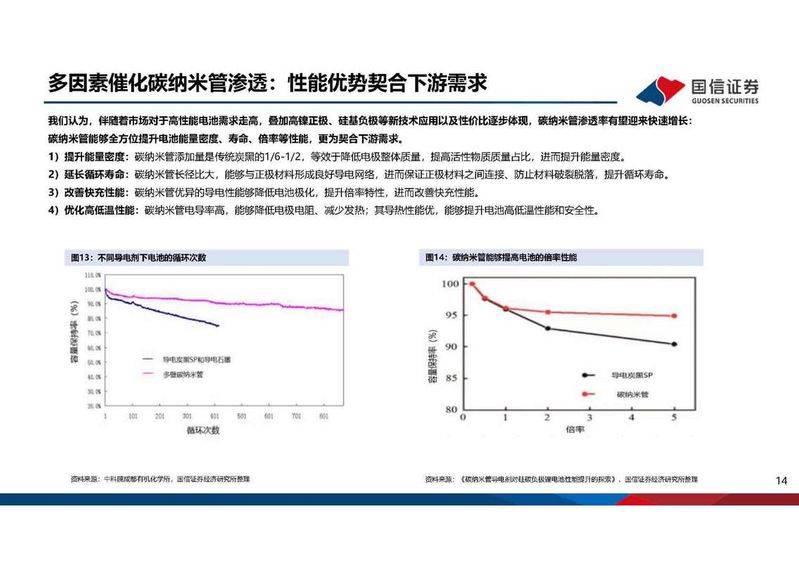
In semiconductor technology, mixing is a common method. The conductivity can be significantly enhanced by introducing specific impurities atoms and changing the concentration and type of transporter. The additional electric field further regulates the conductivity by altering the transport rate of the carrier。
Mixing: n- and p-mixing directly increases conductivity by changing the concentration of free electronics and hollows. Plus electric field: further regulation of the conductivity of materials through the imposition of electric field, which affects the concentration of carrying fluids, transport rates, etc. For example, field-effect transistor tubes use the field to control the opening of conductive circuits as an important component of modern electronics. Application of perspectives and thinking
With advances in science and technology, the prospects for the application of conductive materials in areas such as electronic devices, intelligent homes, electric cars and renewable energy are impressive. However, optimizing conductivity while balancing costs, environmental protection and sustainable development will be the top priorities of future research. For scientists and engineers, understanding how multiple factors work together for conductivity is not only the basis for material performance but also the key to opening up new applications。
Future research should focus more on the integration of theoretical guidance and practice to promote the development and application of new conductive materials. At the same time, interdisciplinary cooperation will bring more innovation and breakthroughs in this area. How to achieve a more optimal use of electrical materials in today's rapid development of electronics is both an age demand and a mission for science and technology workers. Through continuous research and exploration, we are confident that the future of conductive materials will be fraught with infinite possibilities。