Rice's growth journey, which begins at the onset of seeds, goes through several critical stages until new seeds mature, constituting a full reproductive cycle. The cycle covers several important stages, including the period of seedling, the period of decomposition, the period of gestation, the period of poaching, the period of flowering and the period of maturation. Among them, the seedbed phase laid the foundations for rice growth, with recovery marking the beginning of the recovery of the rice, the period of festivities being the symbol of the flourishing of the rice, and the end of the chum signalling that the rice is about to enter its next stage of growth。
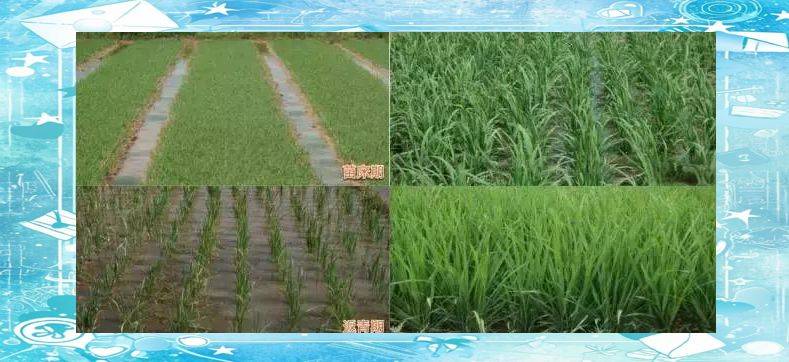
Twenty-five days after the planting, the rice entered the dome phase. This phase marks an important turning point in rice growth, marking the beginning of the reproductive growth phase and laying a solid foundation for subsequent spiking, flowering and consolidation。
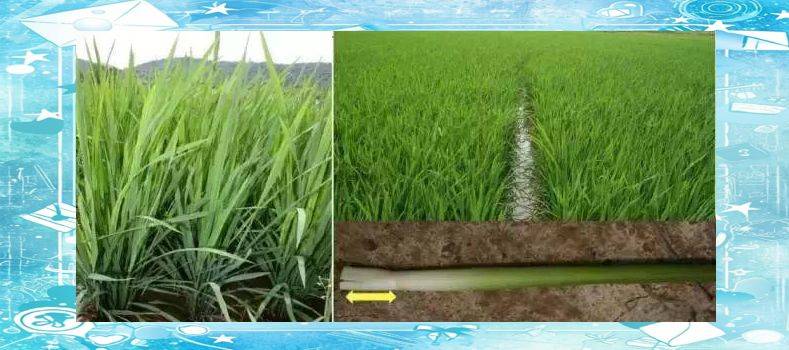
Forty days after the planting, the rice has ushered in a critical period of symmetry. At this point, rice growth has entered the seventh phase of the end of the six-point symmetry, with only 10 days away from pumping. This phase is essential for the final production and quality of rice, as the smooth run of symbiosis will have a direct impact on subsequent spiking, flowering and consolidation。
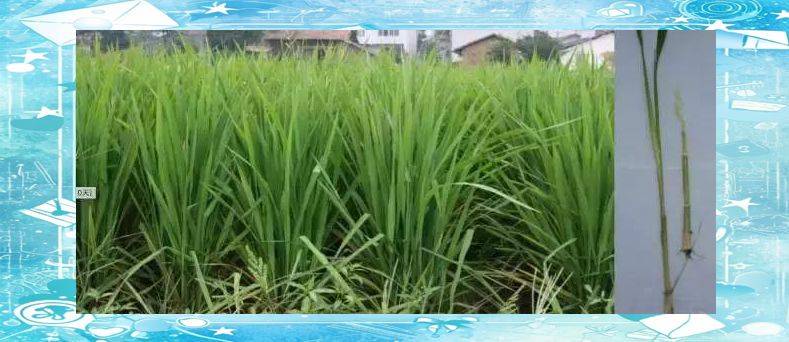
After 50 to 60 days of planting, rice is about to break a critical moment when its main tubers are white. This phase also has important implications for the production and quality of rice, as success in the cut-off period will directly determine the rate of follow-up。
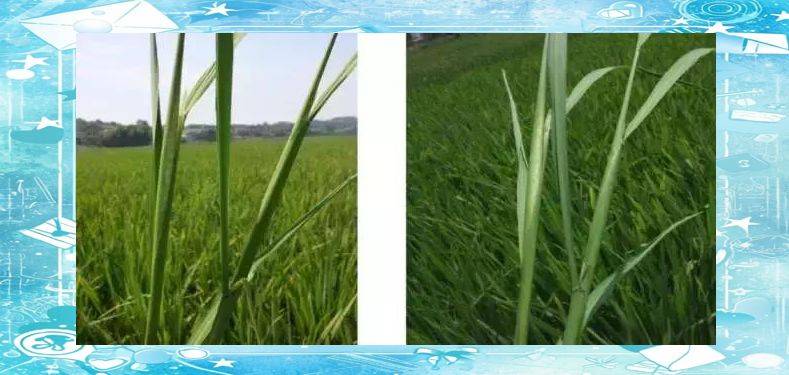
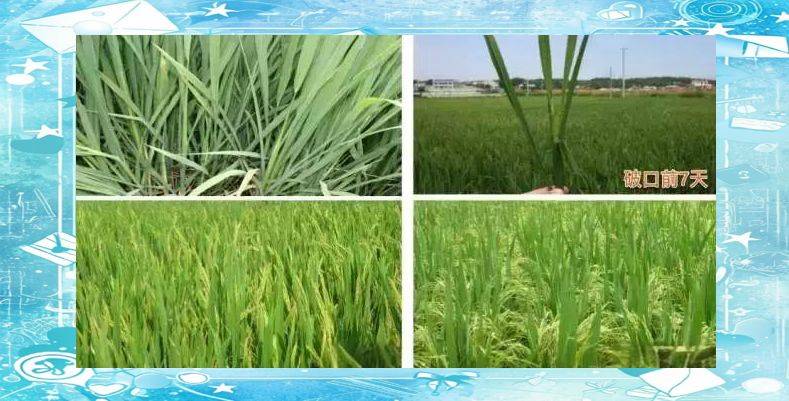
The seven days before the break, the quijo period and the slurry period are the three critical stages of rice growth. During these three periods, there have been significant changes in the growth status of rice and in nutrient demand, which have a critical impact on production and quality formation. Thus, in these three phases, farmers need to pay close attention to the growth of rice and take appropriate management measures to ensure that rice can successfully survive these critical periods and ultimately achieve high-yield quality goals。
Depending on the characteristics of rice at different stages of growth, its life cycle is usually divided into two main stages: the nutritional stage and the reproductive stage. The full reproductive period of early rice is usually about 110 days, compared with 120 days for both seasons and 130 to 150 days for one season, respectively. It is worth noting that different varieties of rice may vary significantly in their reproductive life。
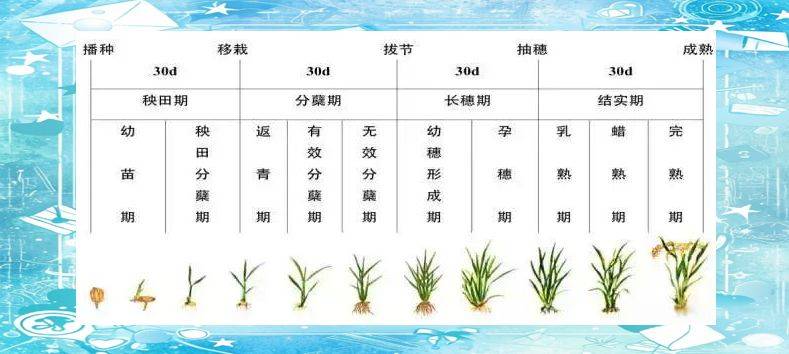
Early rice usually lasts about 110 days in the yangtze mid-range area. This phase is critical to rice growth and production and requires close attention and careful management by farmers。
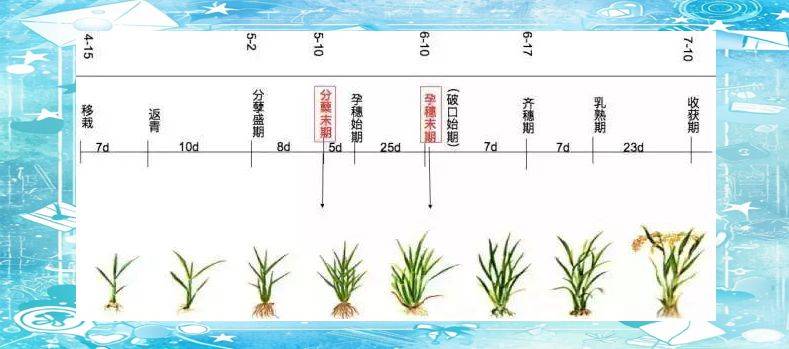
The reproductive period of late rice is equally important in the middle part of the yangtze river, and its growth cycle is of concern to farmers。
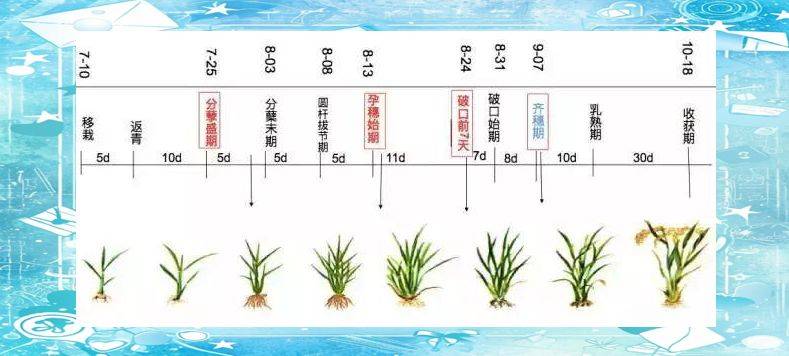
1. Nature of the reproductive period of a season of rice in the middle of the yangtze
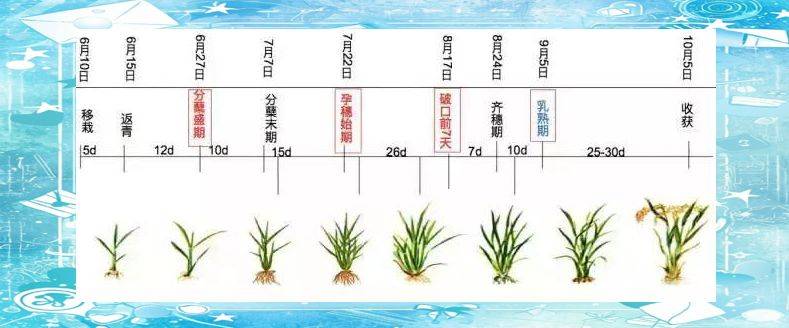
Rice types can be broken down from multiple angles. Based on its origins, rice can be divided into two main categories: paddy and paddy. In terms of growing seasons, there are early, medium and late rice. In addition, rice could be further divided into rice and dry rice, based on its adaptability to soil moisture and drought resistance. Rice, on the other hand, can be divided into sticky rice and zirconium, depending on its starch properties. Finally, according to the length of the reproductive period, rice varieties can be divided into three broad categories: pre-, mid- and late-cooked. In the south, because of high temperatures and abundant caloric resources, rice can usually be grown for one or two seasons, while in the north it can only be grown for one season. Rice can be grown in a variety of ways, including by throwing, shifting (including artificial and mechanical) or broadcasting live (e. G. Live water and dry air)。
The reproductive period of rice is critical for rice growth and production, of which three key nodes require special attention。
1. Distinction between effective and non-effective partitions (several periods, critical turning points in nutritional to reproductive growth)
The effective fraction of rice, which is capable of spiking and consolidating at least 10 or more particles during maturity, is considered to be ineffective if it fails to meet this criterion. The number of effective partitions directly determines the number of effective ears within a unit area and is a key factor influencing rice production。
In the early stages of the partitioning, only one-two leaf fractions are usually considered to be invalid, but the three-leave fractions have the potential to develop into effective ears, while most of the four-leaf and above are capable of becoming effective ears。
In order to control the inefficiency of rice and to increase the proportion of efficient rice partitions, tan fields are often used in rice production. The tan is subject to the principle of “time-to-time and time-to-time” and is managed flexibly according to field conditions, soil fertility and moisture. Typically, “time to time” refers to about 25 days after the displacement of rice, while “sap to seed” refers to about 85 per cent of the number of basic seedlings in the field。
2. Rice breakout period
When the rice is divided, individual ears will gradually stretch out of the last leaf, i. E. The blade, which is surrounded by unearthed rice, a process known as a break. Once the mouth is broken, the rice will continue to stretch, a phase known as the spiking。
The paddy break-up period not only marks the beginning of the graining of rice, but is also a critical period in the fight against pests such as rice loice, raspberry plague and rice lice. Appropriate prevention and treatment measures at this stage can effectively reduce the impact of pests on rice production。
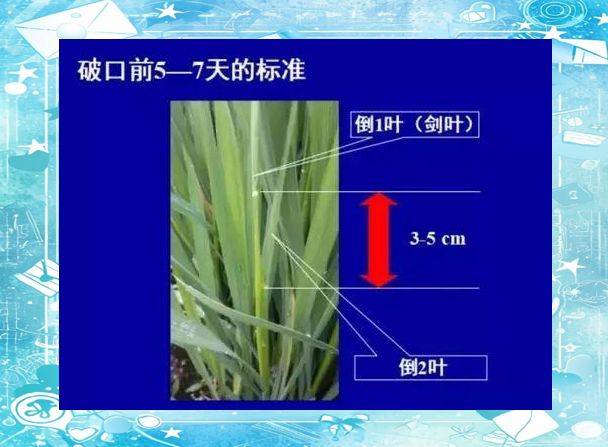
Following the emergence of the “leaf pillow” phenomenon and in order to ensure the best effect of the response, it is recommended that the application be carried out at a distance of 3 to 5 cm between the sword leaf pillow and the fall two。
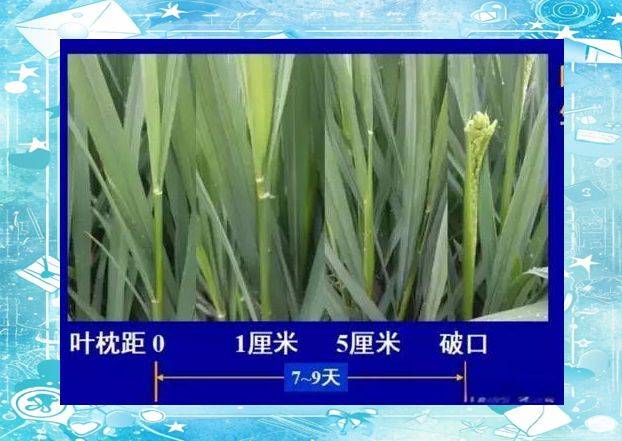
When the saber leaves are about four or five centimetres higher than the fall of the leaves, the premonition is that the paddy is about to break its mouth, and about five days later. This period is an ideal time for measures to be taken to combat rice ailments。
3. Rice boom
Rice can be used differently depending on its variety and season. The flowering season of early rice is concentrated mainly from 8 a. M. To 1 p. M., with 9 to 11 p. M. Being the most flowering period. The flowering hours of late rice are approximately 9 a. M. To 2 p. M. And open from 10 to 12 p. M. In the flowering process, the precipice of rice will gradually spread and the raisins will grow at a rapid pace, allowing the pharmaceuticals to reach out smoothly and complete pollination。
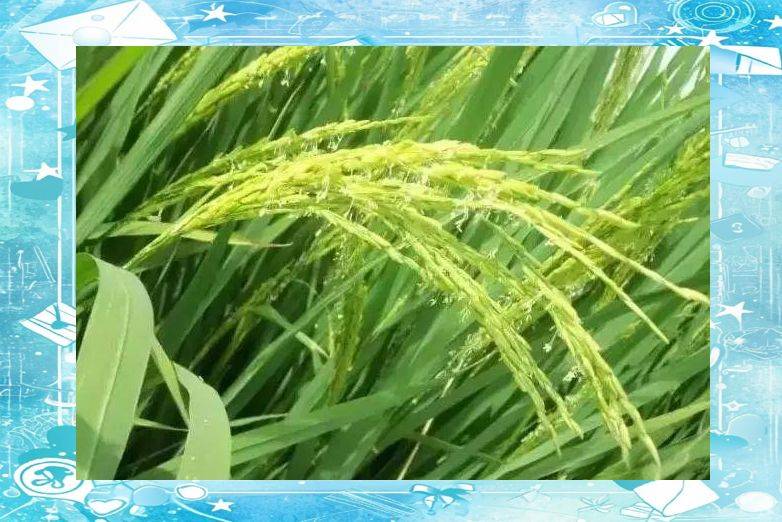
The administration of drugs requires special care during the flowering period of rice, i. E., during the husk-opening, the rapid growth of raisins, and the pollination of flowers outside the husks. Because of the ease with which the fluid enters the flowerer, it causes fatal injuries to pollen, pollen, subhouses, etc., and may even flush pollen down, seriously affecting normal pollination processes. This will not only lead to a significant increase in the incidence of inaccuracies, but will also result in a loss of output by turning the shells brown. Therefore, spraying should be avoided as much as possible during the production process during the poaching period of rice. If there is a real need for spraying during this period, it is important that the choice be made after 3 p. M., when the shells are closed, and that it be done quickly and with minimal damage to rice and the neck。