The combustion must be accompanied by three conditions: flammable material, accelerant material and source of fire. The fire was extinguished in order to destroy the already created conditions of combustion, which could be extinguished as long as a single condition of combustion was removed. The following basic methods have been summarized in fire-fighting practice。
1. Refrigeration of fire
Direct spraying of fire extinguishers on combustibles reduces the temperature of the combustibles to below the self-burning point, thus halting the combustion; precautionary methods for cooling unburnable flammable substances from water to prevent them from reaching the point of combustion and burning。
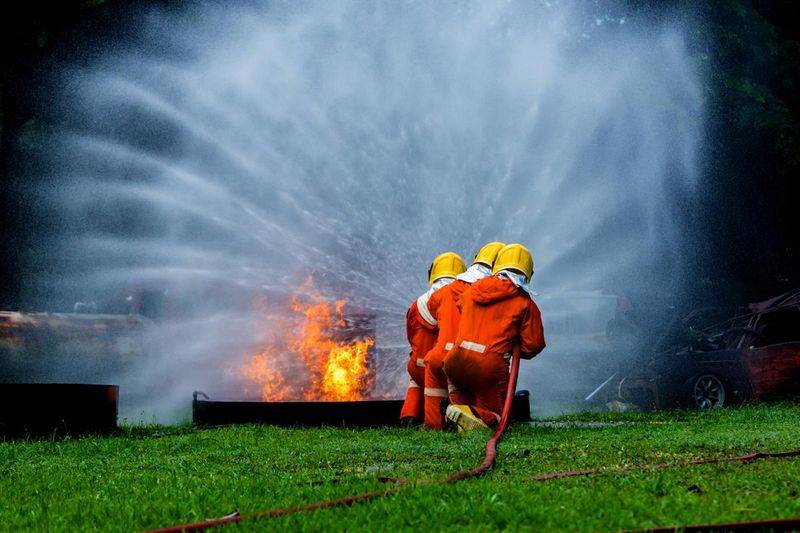
The main function of water in fighting fires is to cool the fires, which can be used to cool off the fires with the usual substances。
Asphyxiation fire suppression
Flammable substances cannot be burned without oxygen in air or less than 14%. The so-called asphyxiation means cutting off the air supply of the burning material。
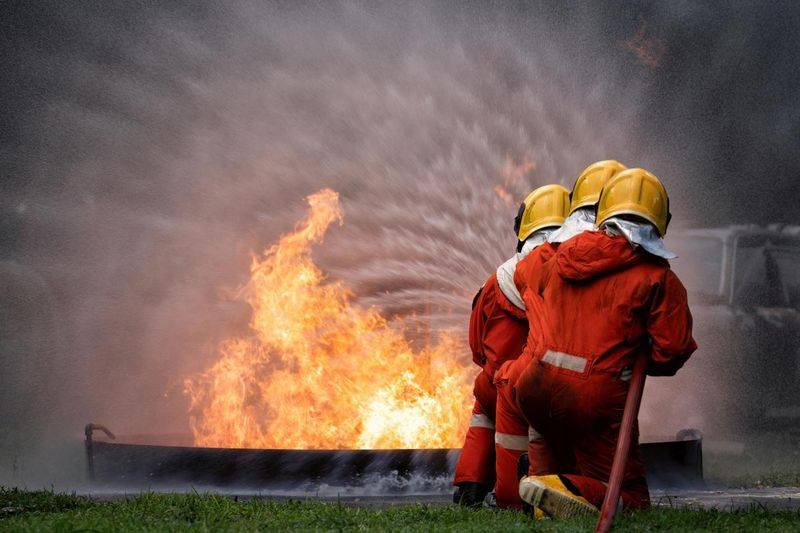
Appropriate measures to prevent air from entering the burning zone or to dilute oxygen levels in the air with inert gases, which are used to extinguish the burning substance for lack or loss of oxygen, apply to the rescue of closed spaces, production equipment installations and fires in containers. When suffocation is used on fire sites to save fires, non-burning or inflammable materials such as asbestos, wet sacks, wet cotton, sand, foam, etc. May be used to cover burning or closed holes; water vapour, inert gases (e. G. Carbon dioxide, nitrogen, etc.) may be filled in the burning area; the original door on the building and parts on the production storage equipment were used to seal the burning area and prevent air entry。
3. Segregation of fire-fighting methods
Flammables are one of the most important conditions in the conditions of combustion, and if the combustibles are isolated from the source of the fire or the air, the combustion reaction will automatically cease. The separation of combustible materials from air and heat, foams from flame extinguishers over the surface of burning liquids or solids, and the separation of combustible materials from flames and air are all methods of fire suppression。
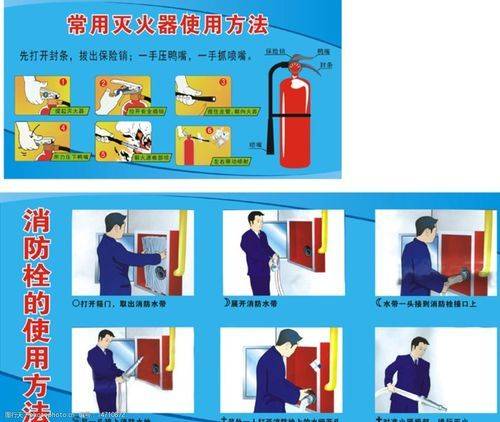
There are a number of concrete measures to isolate fires. For example, the transfer of flammable explosive substances close to the source of fire to a safe location; the closing of valves on equipment or pipes to prevent the flow of flammable gases, liquids into the burning zone; and the dismantling of flammable structures adjacent to the source of fire to form a space zone to prevent the spread of the fire。
4. Fire suppression
The injection of chemical fire extinguishers into the burning area involved the combustion reaction, resulting in the suspension of the chain reaction of the free radical (combustion chain) so that the combustion reaction ceased or could not be sustained. The fire extinguishers available for this method are dry powder and halogenated alkane. When extinguished, a sufficient quantity of fire extinguisher is accurately sprayed into the burning area to prevent the fire extinguisher from disrupting the combustion response, and cooling down measures should be taken to prevent recurrence。