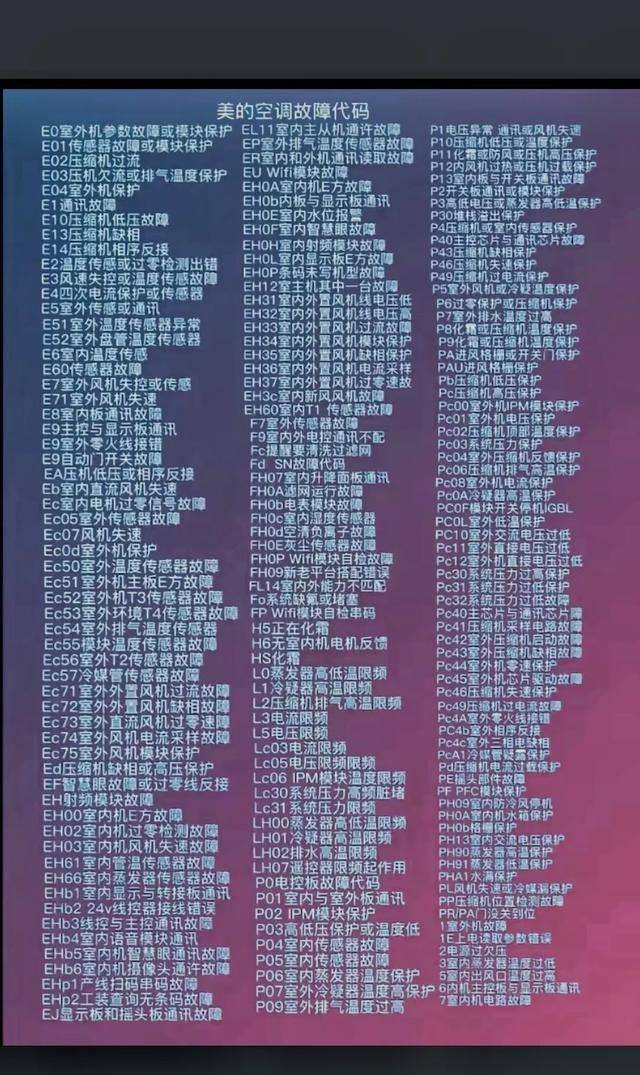
In summer, air conditioners frequently report faulty, with instructions in their hands, but no corresponding solution is found, and the anxiety of rising temperatures is suddenly flooded by a bunch of “e1, e4, e5”. In fact, behind most brand failure codes are common components of the same type: temperature sensors, winders, compressors and communication lines for indoor and outdoor machines. The identification of these “points” would allow for a self-screening of the places where they can handle them before they go to school and save time。
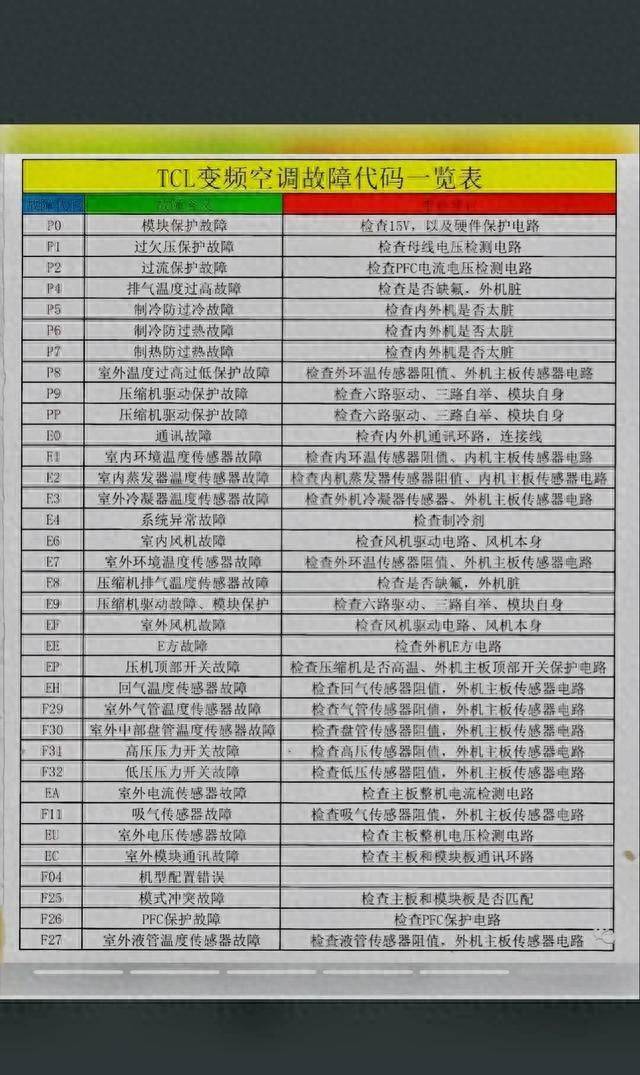
Let's start with the temperature sensors. The e1 and e2 codes of the tcl, shiko, u. S. S., guly, hal and so on are almost all bugs. When checked, see if the connection is loose, and then the barrier is measured in tens of thousands of meters to see if it is broken or short-circuited. The need to replace sensors is generally confirmed if the measured resistance is significantly different from the plant's nominal name. It's actually not difficult to change the sensor, to remove the front panel of the interior machine, to find the small circular elements attached to the pipe, and to remove the old plugs and insert new ones。
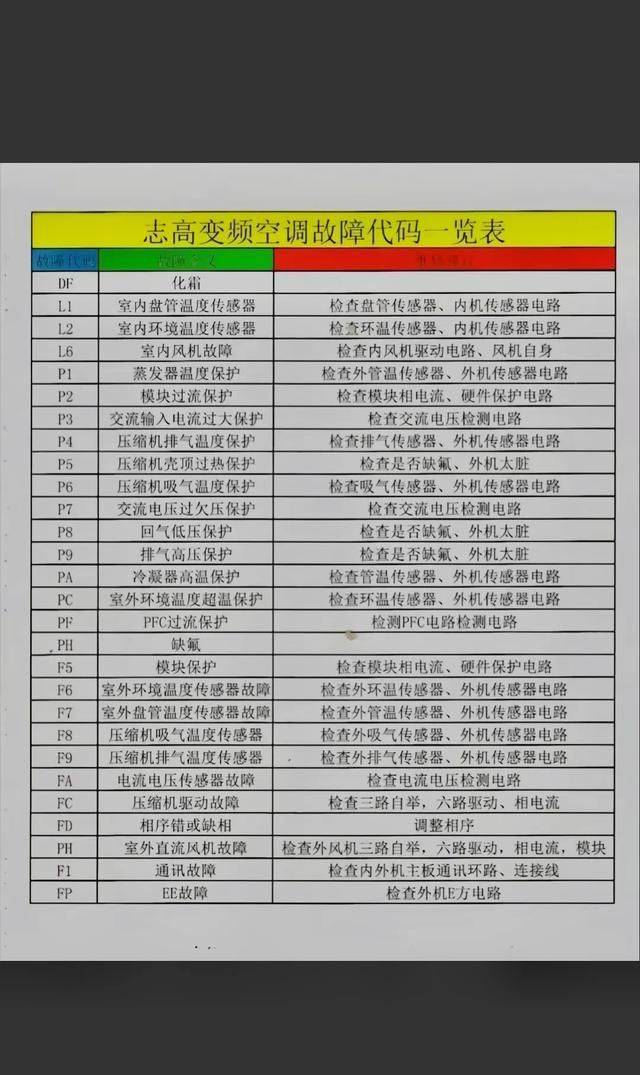
Wind engine failure often occurs with e4. Whether gly's indoor wind machine or a beautiful equivalent, blockage or aging of the electric machine are the root causes. First, knock on the winder's shell, hear if there's a carton sound; then pull out the power and turn the wind shaft manually to see if it's smooth. If it is found to be stuck, it may be dusted or alien piled, cleaned up and reconnected; if the axis is not moving or the noise is abnormal, the electric power is likely to be burned and the whole or separate electrical component needs to be replaced。
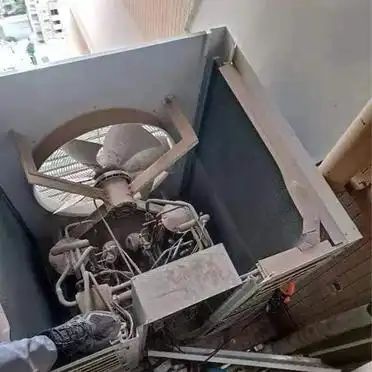
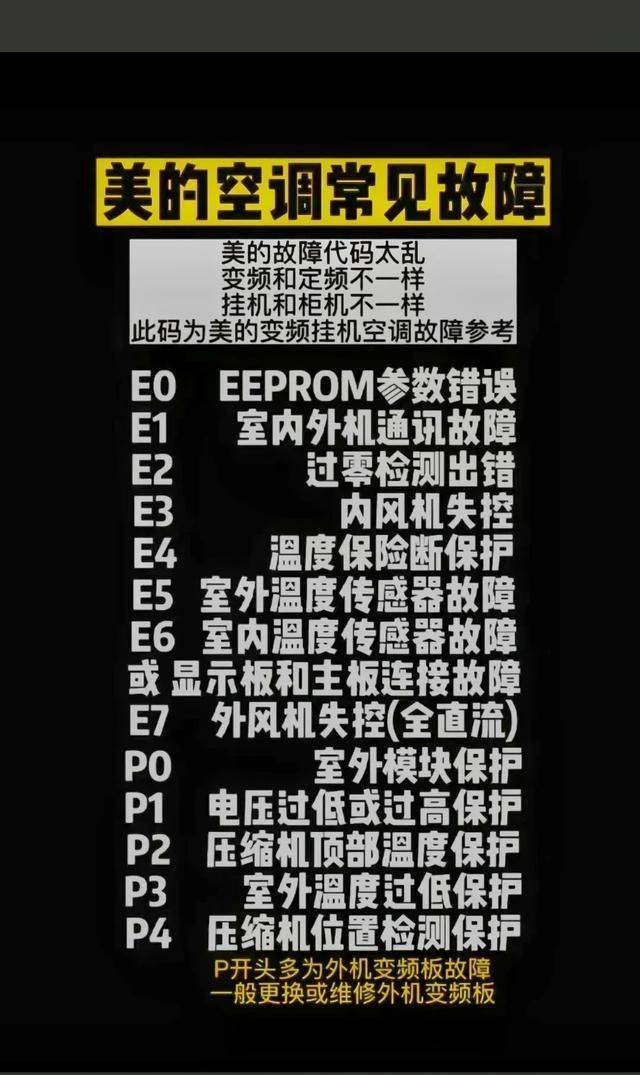
Compressor protection codes (e5, e6) are often linked to voltage fluctuations, refrigerant deficiencies or internal overheating. Outdoor power sources are measured using voltometers to confirm that the power supply is within the rated range; then the condensed circuits are checked for any signs of frost or leakage. If refrigerants are clearly inadequate, it is advisable to have a vacuum and bet on professional maintenance staff. Self-dismantling compressors are too risky to operate blindly。
Communication failure codes (e. G., tcl e3, g-6) mean an anomaly in signal lines between indoor and outdoor aircraft. The check will first remove the communication lines of the two machines to see if the plugs are rusty or loose; and then re-plug the metal contact with a cleaning agent. If errors are still reported, it may be that the drive chip inside the control plate is damaged, at which point the replacement of the corresponding control panel would be the most immediate option。
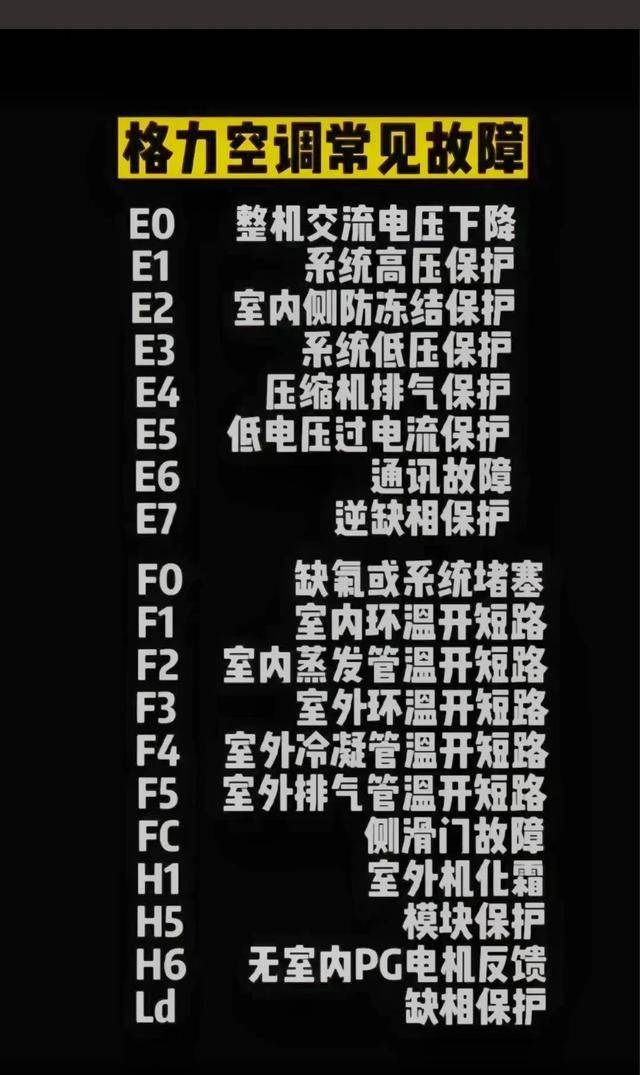
(a) a rapid self-check process can be developed by combining these failure points: 1 ️⃣ seeing e1/e2 and first checking the temperature sensor lines and resistance values。
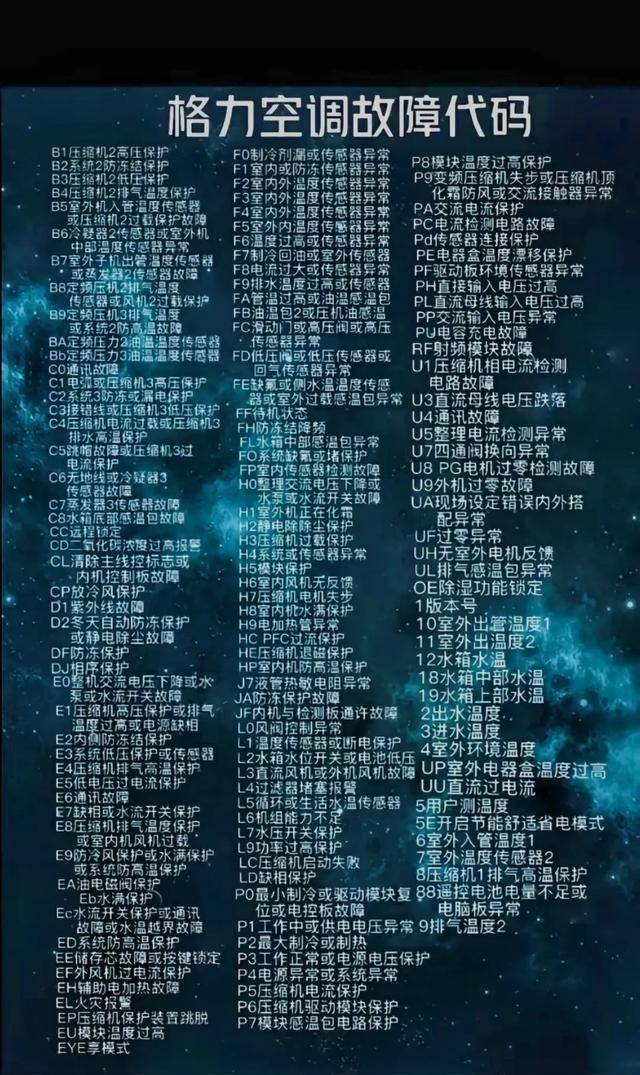
With this idea of mapping, even in the face of different brands of air conditioners, the easiest links can be handled before they are written. As a result, the summer heat is no longer trapped in “e-codes”, air conditioning is restored and comfortable indoor temperatures are available in time. I wish you a little less trouble and more time。