The summer was approaching, and many laboratories began to find a problem: the air conditioner was on and the temperature was not coming down。
Precision instruments require a stable ambient temperature, cell incubators are sensitive to environmental humidity and experimenters need a relatively comfortable operating space. The effect of air-conditioning refrigeration is poor, affecting not only the sense of body but also the safety of experimental data。
Many people's first reaction is that "air conditioners are broken" and "fluorinated". But the reality is often less serious. The following five details may be the real reason for the poor cooling effect。
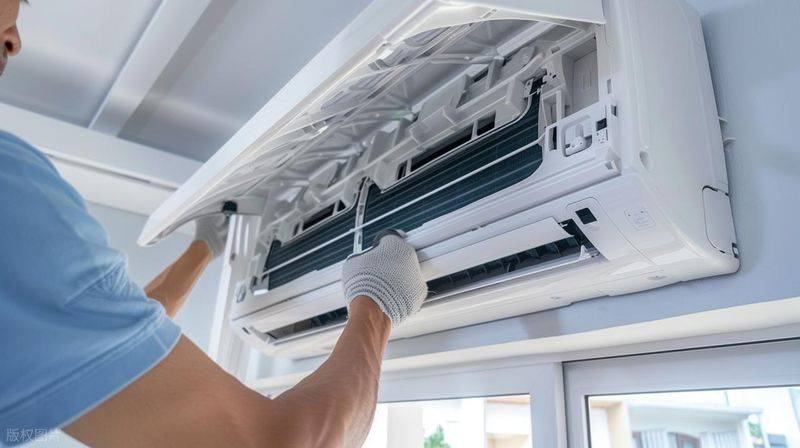
I. Filtration net congestion
This is the most common and easy to solve, but also the most easily neglected。
Laboratory air conditioners are operating for long periods of time, and filtering networks accumulate large amounts of dust, hair and even microbes. When filters are blocked, air flows are weak, evaporaters are unable to exchange heat effectively, and refrigeration efficiency naturally falls significantly。
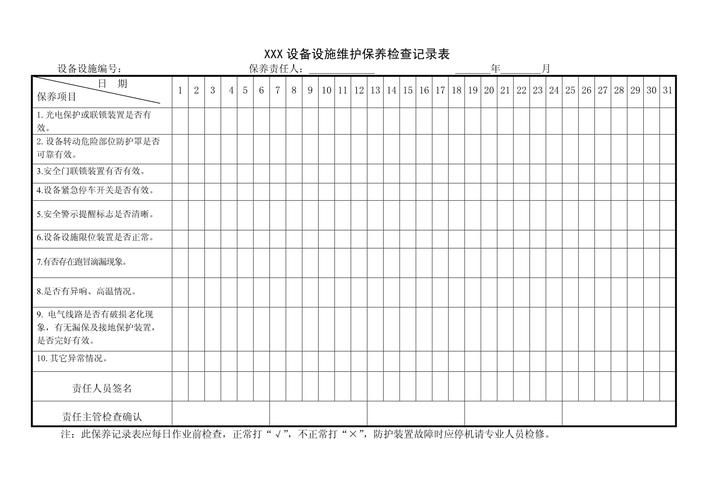
Solutions: remove filters, wash them with water or vacuum cleaners. It is recommended that inspections be conducted every 1-2 months。
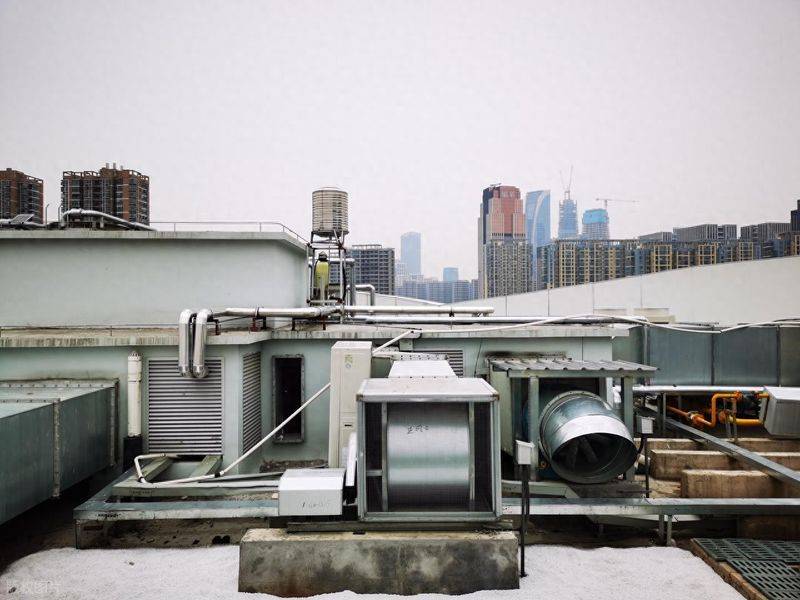
Ii. Condenser dust
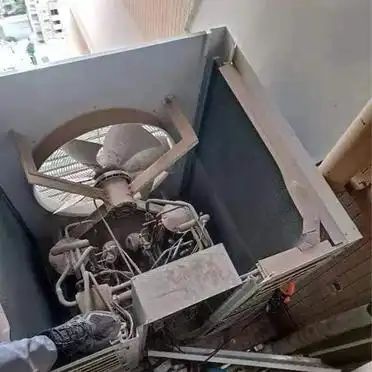
Air-conditioning exterior units (condensers) are exposed outside the room and are easily attached to the wings, such as dust, leaves and willows. Dispersion can lead to higher exhaust pressure in compressors, lower cooling effects and increased electricity consumption。
Solutions: cleaning the wing surface with high-pressure gas guns or soft brushes. Be careful not to blow the wings upside down。
Iii. Refrigerant leakage
The reference to non-refrigeration of air conditioners has led many people to think of “fluorinated” but if leaks are not addressed, more refrigerants will leak。
Refrigerant leaks are usually manifested in air conditioners operating at a low temperature in the vent, oil stains on connections and low running currents。
Solutions: contact professionals to check system leakages, identify missing points and repair and replenish refrigerants. Do not add yourself。
Iv. Outdoor heat spreads
The location and surrounding environment of the outdoor aircraft directly affect the dissipation effect。
Common problems include the proximity of the outdoor aircraft to the wall, the presence of miscellaneous items around it, and the heavy installation of multiple external aircraft leading to the return of hot winds. These can lead to higher condensation temperatures and reduced refrigeration efficiency。
Solutions: ensure that there is sufficient space around the outdoors, clear the shelter and adjust the installation position as necessary。
V. Inadequate room closure
Laboratory air conditioning is used in a special environment. Some laboratories have ventilation systems, ventilation cabinets, which operate over a long period of time to keep cold indoor air out of the room while new wind systems introduce hot air. The cooling of air conditioners, while being pumped away by the wind, naturally reduces the effect of the cooling。
Solutions: check whether the doors and windows are closed and whether the ventilation system is closed or down if not necessary. If the amount of new wind is too large, the new wind valves can be adjusted appropriately。
No problem at 5 o'clock? Professionals, please
If the above five details are checked, air conditioning cooling is still not working well and may be due to the reduced compressor performance, failure of the control system, aging of the wind engine's electrical capacity, etc., which requires the use of tools such as pressure sheets, current meters, thermometers, etc. For systematic testing by specialized engineers。
Nanjing novien technology ltd. Focuses on laboratory transport services, providing air-conditioning system inspections, repairs, maintenance and energy-saving modifications. In the case of laboratory equipment problems, work orders can be submitted through a call programme and the engineers will respond in a timely manner。