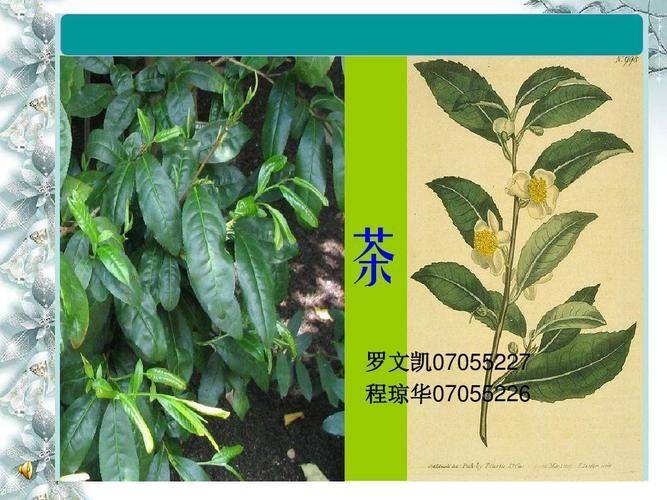
China is home to tea, from which it originates, and the world's first-ever country to discover and use it。
I. Origin of tea? (details)
Response no. 1, 1,000 stamps on the subject of tea issued on 8 april 1997 by the ministry of post and telecommunications of the people's republic of china, the first of which was a tea tree in bunwe, yunnan province (1700 years old)
The first pharmacological monument of our wartime state, the shintograss, has been documented as “the tobacco farmer tastes grass and meets 72 of the poisons of tea”. This legend shows that chinese use tea for more than 5,000 years, almost as long as china's history of civilization。
The three phases of human use of tea
Answer: 1 pharmacological: the first tea is known as “suffering tea”, the insides are chewed and the fever is eliminated。
2. Eating: from chewing to cooking, finding digestives, making tea and food (tea meal)
3. Drinking: drinking tea and soup is better than drinking, and making tea and soup when you find it refreshing and weary
Iii. The three-stage development process of tea cooking
Answer: 1, tang cooks: tang dynasty makes a pot of water when he drinks his tea, puts it in salt, boils the powder, eats the tea (with soup and powder)
Song point: song dynasty has been simplified to “show tea”, i. E. To drink tea powder with boiling water (without spices) to enjoy the tea itself as a “good soup”. From this point on, water, tea, instruments, tea have evolved。
3 mingbok: ming dynasty is a full-leaf bubble, no more crushing the beginning of today's tea mingbuk, the pink leaves are of great significance in tea history
The classification of tea
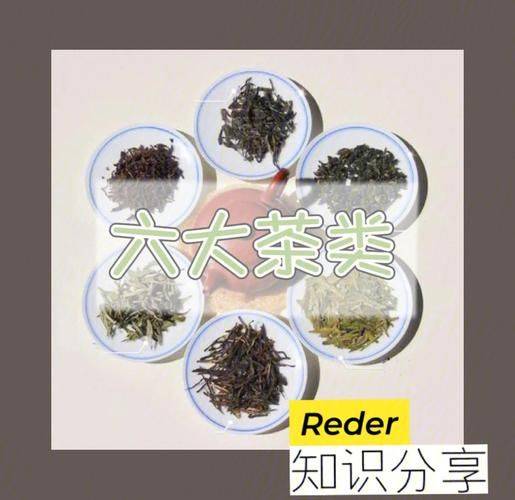
Tea leaves are processed into various kinds of tea, all of which can be divided into two main categories: basic tea and reprocessed tea。
Basic tea: white tea, green tea, green tea (ulong), yellow tea, red tea, black tea, six main categories
Reprocessed tea: flower tea, compact tea, fruit tea, health tea, etc。
How does tea distinguish between fermentation procedures and production processes
Response 1: no fermented tea: green tea (long well, sprouts, etc.) white tea (angelbean tea, white milligram needle, etc.)。
2. Semi-fermental tea: ulong tea (iron, tundra, razite tea, etc.)。
3. Full fermented tea: red tea (philip, yi hong, kam)。
4. Post-fermental tea: black tea (yunnan pu-mom, hunan top, six castle tea, etc.)。
5. Reprocessed tea: flower tea, gin tea, cinnamon tea, fruit tea, etc
Tea bubbles with time
Response:
1. Green tea: tastes: 95°c bubble: 80°c - 85°c time: 1. 5 seconds and 2 seconds tea drops: 1/5 or 1/10
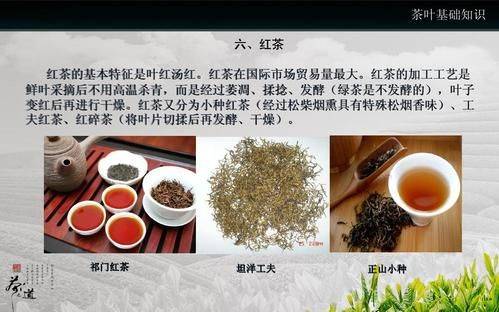
2. Red tea: sphinx: 100°c bubble: 95°c - 100°c time: 5 seconds 10 seconds and 15 seconds tea drop: 1/5
3 ulong tea: fragrance: 100°c bubble: 95°c - 100°c time: 5 seconds 10 seconds and 15 seconds tea drop: 1/3
4 black tea: quakers: 100°c bubble: 100°c time: 5 seconds 15 seconds 20 seconds 40 seconds tea drop: 1/3
5 flower tea: bubbling 90 °c: 80 °c - 85 °c time of 10 seconds and 20 seconds and 40 seconds tea drop 1/4
Basic processing methods and interpretation of tea
Tea: tea tree fresh leaves are processed into tea leaves
Cyanide: so-called cyanide is the killing of the active enzymes of the leaves with a cyanide or a nectar machine without fermenting or changing colours, and the burning and cooking of the tea leaves。
揉捻: fresh leaves are packed in a bucket or manual, with a certain amount of pressure, a moderate volume of tea is 80% barter, tea leaves are adhesive to the surface of the tea, and hands are lubricated, with the aim of forming the tea, reducing its size, and spilling the tea (so as to allow for bursting)。
Decreasing: the loss of a portion of the leaves, the softening of the leaves, and the fragrance of the leaves, which disappears。
Fermentation: polyphenols in teas are fully integrated with oxygen in air and the result of red oxide in the form of oxidized phenol。
Drying: drying is the reduction of the say of tea (5-6 per cent in principle) with drying (yowashia) drying (long well) and tan (paddy) steaming (japanese green tea powder), the main purpose of which is to facilitate the use and storage of tea。
Creaming: swinging the edges of the blades into the scavengers of the sun, causing them to collide with each other and friction with the bottoms of the blades, slightly damaging the edges of the blades, making the edges red, unharmed parts, and maintaining the original greens as the “greens border”。
Tea composition
Vitamins: strengthening the function of fat metabolism in the body to prevent the drying of the eyes enhances the function of the retina and enhances the resistance of the human body。
Amino acid: effective in mitigating the side effects of caffeine in tea, resistant to oxidation and reduced blood fat with cholesterol content, strengthening of the vascular wall, anti-tumour resistance and anti-breeding embolism are also important indicators in determining the smell of tea。
Minerals: around 7 per cent of tea leaves contain minerals, of which about 70 per cent are soluble in hot water and absorbed by humans, and minerals contribute to blood production
Polyphenols: called tea polyphenols, tea cedars, determining the taste of tea soup, the main elements of colour, migraine, radiation-resistant, and inflammation。
Water is 75 per cent of the difference in leaves and minerals 25 per cent
Eight. Five factors for tea
1. Water quality: a good pot of tea is important for water quality, which is found in the tea calendars of the land plumes, mountain water, river water and wells. Ming dynasty said in "the house of plum flowers" that tea must come out of the water, that the tea of the eight parties is in full supply, that the tea is in full supply, and that the tea is in half the tea, and that the basic method of testing is to test the water。
It's clear, it's clear, it's cold, it's tasteful, it's hot, it's hot
Water temperature: different teas require different water temperatures, the principle being that low fermented teas are less warm (young) and fermented teas require high water temperatures (100°c)
3. Tea delivery: depending on the equipment used in the different teas, the decision is made on the basis of the principle that the length of the bar and the looseness of the tea, the volume of the tea is high and the quantity of the compact tea is low。
4 time: the tea is bitter after long periods, the time is too short and the time is not tasteless, depending on the level of fermentation (mid fermented tea time, long light fermented tea)
5. Packages: ulong tea, red tea. The re-emergence of fermented tea (e. G. With purple sandpots, green tea, white tea with glass) is facilitated by the use of tightware, which is less fermented or not fermented, and by the use of more aerobics。
Ix. Distribution of chinese tea areas
1 south-west tea sector: in the south-west of china, including yunnan, guizhou, sichuan provinces and the south-east of tibet, the oldest tea area in the country is the source of tea (pulmati tea)。
2 south china tea sector: south-east china, including guangdong, guangxi, fujian, taiwan and hainan provinces (regions). For the most appropriate areas of growth, the variety of tea trees is abundant. They are of the type of wood, the type of wood and the type of bush, and they are of the type of large, medium and small. In addition to red and green tea, there is also ulong tea, white tea, six-burg tea, jasmine tea。
3. Gangnam tea sector: in the south-central part of the yangtze river, including zhejiang, hunan, jiangxi, onan, sunan and jinnan, the main tea areas of the country, production accounts for approximately two thirds of the country's total annual production. ♪ west lake dragon wells, blue springs, yellow peaks ♪。
Iv. Jiangbei tea district: in the north, in the middle-downstream of the yangtze river, including south-south, south-west, south of gansu and south-east of the hill. The main production of green tea is green tea (sunning in the mountains, green in the mountains - qingdao, cold in the mountains - snow in the mountains and bright in henan)。
Where is the origin of the tea
A: biologists have found that the origin of the tea tree is in china's cloudy highlands, and that the tea tree of today's yunnan's “lu god” is the god of tea trees, and that yunnan is the home of tea because of the “gualu in the south” recorded in zhou dynasty。
How do humans know tea
A: 5,000 years ago, the farmer tasted herbs and faced 72 poisons in the sun, and had to deal with it, believing that tea was an antidote to herbs, the first human awareness of tea。
Who is lu yu? What does it contribute to tea
A: when lu yu was born in the middle of tang dynasty, in hubei, he wrote a book of tea books, in which he made the planting of tea trees, the extraction of tea leaves, the method of making bubbles, the choice of tea products, the scientific and systematic organization of which made it possible for humans to truly understand tea and, thanks to this book, the world recognized that chinese tea was the motherland, and the humans called lu yu the tea sage
Xiii. Summary of the six teas
1. Green tea
Green tea is the basic tea in our country and the most productive, with the widest distribution of tea in the production areas, characterized by green leaves and clean soup. Green tea is unfermented tea, mostly freshly made from tea trees, and is also made from typical processes (greening, tanning, drying, etc.) and becomes unfermented tea。
Green tea is divided according to its dryness and chrysanthemum: scree, baking, sun, steam, green
2. Green tea
Ulong tea is a semi-fermented tea, which is a fragrance of green tea and a taste of red tea's thick odour, and is made of typical processes (blue, atrophy, fermentation, drying, etc.). They are mainly from places such as guangdong, fujian and taiwan. Depending on their origin, they can be divided into “taiwan ulong, guangdong, guannan ulong, guanbei ulong”
Dry tea is green in ink, fragrance soup is yellow and leaves are fermented in tan on the edge, with the middle part maintaining its natural green colour and characterizing it as a “green leaf border”。
Red tea
It is characterized by red leaves and red soup, and is produced in four stages: atrophy, dung, fermentation and drying. Compared to green tea, the fermentation chain has been increased, as a result of the fermentation phase, i. E. The transformation of the tea polyphenol from natural colour to red colour in the tea leaves, which is partly soluble in tea soup, and partly left in the tea leaves, making the leaves red, thus characterizing the red tea. The red tea is made in the shape of a thin, colourful, red soup, thick, fragrance, full yeast tea
Disaggregated according to their manufacture: small varieties of red tea, red tea for workers (kimmon tea), red tea (liton)
4 pu-ma tea
The tea belongs to the late fermentation tea and is also known as the black tea, which is made from yunnan leaves, which are made from special fermentation processes, with large and fat strips, vermin or brown red, and tastes like a unique fragrance
Tea types are divided into two main categories:
Scrambled tea: scrambled tea (gewwood leaf), scrambled tea (mother miyagi)
Tightened tea: cakes, bricks, crumbs, yunnan tea (fu, lok, suu, jubilee)
Characteristics: (release of blood pressure, blood resin, digestive, digestive, sobering, anointed)
5. Flower tea
The tea is made (smoking) to mix the flowers with the tea, slowly absorb the fragrance in a static state, then go out and dry the tea and make it into tea. The tea processing of flowers is based on the use of both the fragrance of flowers and tea to sow, and the fragrance of tea and fragrances to form its exclusive quality。
Tea processing:
Tea treatments, flowers, flowers, flowers. Scum
I'm sorry
# flower treatment #
White tea
The white tea is characterized by much greener leaves, light yellow soup, and long hours of drying, drying up and drying up when the smell of the fresh fragrance is repeated. In the process of atrophy of fresh leaves, bacteria are involved in oxidation, so that the atrophy is red in the veins of the leaves, and therefore red wraps, with white tea containing amino acid three to five times as much as other teas。
7. Yellow tea
Yellow tea is characterized by yellow leaves and yellow soup, and is largely similar to green tea. Yellow is a characteristic of the making of yellow tea, it is yellow, it is yellow, it is yellow, it is yellow, it is green, it is covered with tea, it is kept at high temperatures and humidity, and it produces bacteria that catalyse tea oxidize, thus making tea yellow. Representative varieties such as silver needles from hunan mountain, tea from anhui mountain and tea from hoshan。
8. Black tea
Production process: fresh leaves — "screeching" — "stacking" — "drying" — "vapouring" — become dry. Black tea, leaves, brown and brown oil, and piles of black tea. After this, the temperature and moderate control of tea is increased in a suitable environment to produce suitable fungus for fermentation, which typically takes 5-6 days to pile, sometimes longer, and black tea, which is mainly used for the consumption of ethnic minorities in the border areas, has resulted in a variety of different forms of compact tea, with representative products such as guangxi fort 6 tea, hunan embedding bricks and black brick tea。
What's tea
A: how to make a pot of tea and how to enjoy the art of a cup of tea, (mean tea making, tea cooking, tea drinking). When technology becomes pure, it becomes an art, and tea is the main component of the tea lane
Fifteen, what tea lane
A: the tea lane is a ritual and silence that educates people through tea, moral healing。
The japanese tea lane was very strict, and the tea shop director sent invitations a few days ago, the american garden, to prepare paintings and mackerel. On the day of the tea ceremony, the main guest was to bathe in his clothes and clothes, and during the whole charlie process he was unable to speak, with his hands to tea and his hands to tea. The japanese tea channel focused mainly on this spirit of activism, and tea became an accessory。
Xvi. Which areas are taiwan's tea for export
Taiwan tea outsale: japan, the united states, north africa, the middle east, europe's main outsale of green tea, ulong tea, red tea, china currently imports more ulong tea
How many teas can taiwan pick in a year
Response: the tea season in taiwan can be picked five times between march and early december. Spring tea, summer tea. June (twice tea) autumn tea, winter tea. Between mid-december and mid-march of the following year, no tea was picked because of the cold climate and the difficulty of growing tea trees。
Eighteen. Which season is the best tea? Why
A: spring and winter teas are the best because the weather is cooler for crops with more fog and sweeter products and the temperature is suitable for tea fermentation to make high-quality teas. However, white tea and white milligram tea and ulong tea are of good quality in the summer。
The geography of tea trees
A: tea trees are grown for about two to three years, they tend to be planted on easy-watered mountain slopes, avoiding tideing and decaying roots, they love sunlight but do not need to be too hot, they are on average from 15°c to 20°c. They are of better quality if they are fertilized with clouds and water. Tea trees prefer fresh and cool air, and they are the most suitable for planting tea trees in mountainous areas around 700 to 1,500 meters above sea level。