A little leaf that snuck from the mountains into a cup of tea for the love of life, and it's thousands of years old
The tea world is quite big, and for starters, it's not clear what the green tea is, and the tea-making steps are like breaking through。
Don't be afraid! I've organized the dry stuff in my hand these days, and i've given you this "silent secret"
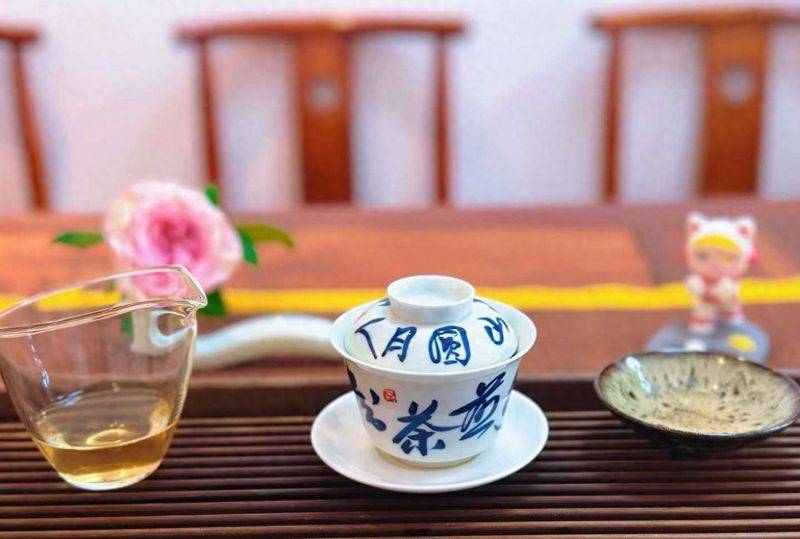
Let's get you off to the core of your knowledge for the shortest time and then say goodbye to the "tip blind" and lighten up a nice cup of tea for all your friends
Lesson 1: know our chinese tea family, a wonderful transformation of a leaf
You know what? Don't look at the leaves removed from the tea trees, which have been turned into tea of a different character after different “operations” — i. E., different processes and levels of fermentation。
In general, according to the official classification, there are six basic teas: green tea, white tea, yellow tea, green tea (also known as ulong tea), red tea, black tea。
If you add tea to the bottom and reprocessed tea, it's like adding a “back garden” to the tea family, which we often call the “seven teas”。
This magical leaf is like magic in different processes:
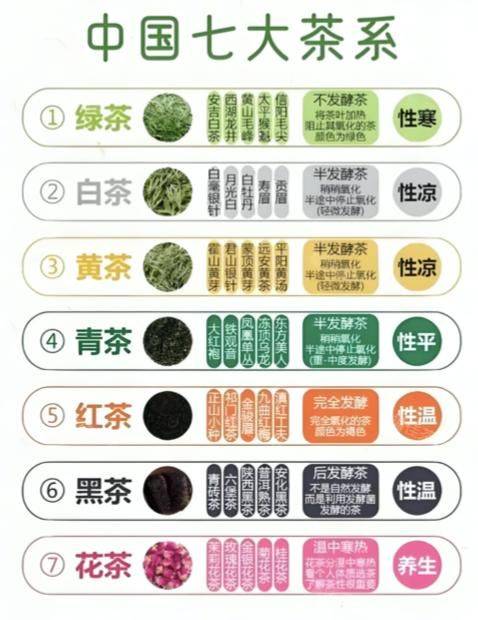
• green tea:
It's a little new in the family. It's not fermented at all. It keeps the original tenderness and taste of the leaves to the maximum。
Like the familiar west lake dragon well, the leaves spread slowly and slowly, and the fragrance went straight into the nose, as if it had moved the spring morning forest to its present。
Take a sip, you're full of fresh work and you're back
• white tea:
It's very simple and has a slight fermentation process, but it's amazing that the white tea is more valuable and more delicious
The most famous ones are white milligrams of silver needles, dry tea filled with fine white hair, light-coloured tea soup, light almonds, fresh and glycols, and tasted like a spring of water, sweet and sweet throats。
• yellow tea:
Yellow tea is a bit of a "silent mystery"。
It has a special process of “silent” over green tea, which makes the tea ferment a little yellow。
The yellow sprouts represent the golden colour of dry tea, and the brightness of the leaves, with a unique fragrance at the entrance. Most of the people who've been drinking are in love with its special yellow tea smell。
• green tea (ulong tea):
It is part of a semi-fermental tea, with levels of fermenting between green and red tea, so it also has a particularly fragrance。
Like fujian's iron sound, the scent is particularly high, and it tastes like a unique hymn; and the rock tea of wu zhishan is so cool that it has so much taste in it that it can change。
• red tea:
It's been completely fermented, so the tea soup is pretty red and tastes good and sweet。
The kimmon tea is the symbol, smelling of fruit, like honey, a bellow, and the whole body warm, and the sweetness of the taste is round around the tip of the tongue。
• black tea:
The fermented tea is a bit like the white tea, and it's the more it smells, the more it can be called an antique。
The tea pu-ma and hunan are all black tea. The tea soup is the color of red and red, with unique cyanide, a thick and smooth entrance, a sweet, sweet drink from her throat。
Lesson 2: no worries about making tea! Put this almighty formula away
It's not hard to make a nice cup of tea
• proportion of tea:
We have a more common ratio, probably 1:50 for tea and water。
In short, 5 grams of tea with 250 ml of water. Of course, if your tea strips are so thick or so thin, you can adjust it a little。
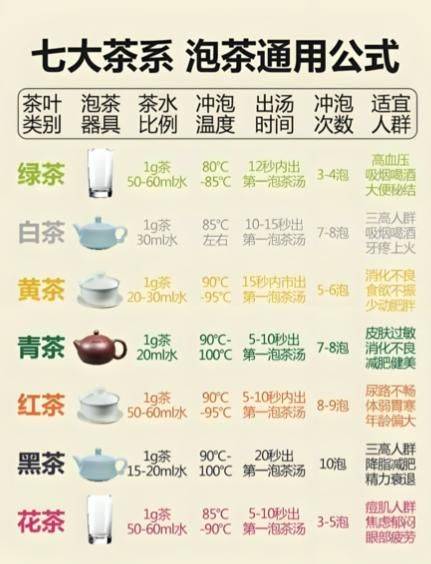
Water temperature: this is important
The relatively young sprouts of tea like green tea, white tea, the water is too warm, **80°c to 85°c**, so as not to burn the leaves, affecting the taste and aroma。
Ulong tea, black tea (especially pummi tea, black tea) and red tea, which are warmer, with 100°c boiling water, which can better stimulate their contents and make tea and soup sweet and sweet
The old tea cakes (which have been in place for several years) of pummi's tea are also suitable for boiling water。
• soaking time: this depends on tea to adjust:
Green tea is young, ** 2-3 minutes (glasses)**, not too long。
The tea is relatively blistering, around 20s。
The ulong tea is a “tungsten bubble” and the first bubble can be a little faster, 45-60 seconds, followed by an increase of about 15 seconds per bubble。
Black tea, hot tea, hot tea, quick soup in the first few. It's about 10 seconds in the first bubble (sometimes called "tip tea"), and then 5-10 seconds in each bubble。
They're especially bubble-resistant, and they can burst many times。
Lesson 3: "drinking the disease" for tea? It's more comfortable to choose tea based on body
We used to say, "the tea is delicious, it's for the best."。
It's better to have tea than to have a good taste, if you can choose it in your own health
• green and white tea is a good option if you're prone to heat and fire, and they have the effect of defusing the fire。
• the stomach is not good
Or if you want to warm yourself when it's cold, you can try the red tea or the black tea. They're hot and they'll help your stomach warm。
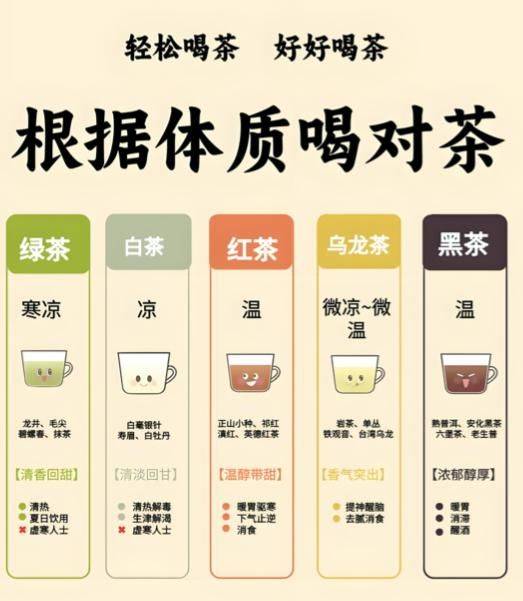
• feeling stressed and sleeping poorly
It is said that this is like yunnan's pu-mother, who has cooked tea and installed black tea, and that it tastes good and strong, helping to ease emotions and improve the quality of sleep。
Lesson four: "stealing tea"
If you want to do something good, you have to use it first! Choose tea not only to look comfortable, but also to make tea taste better
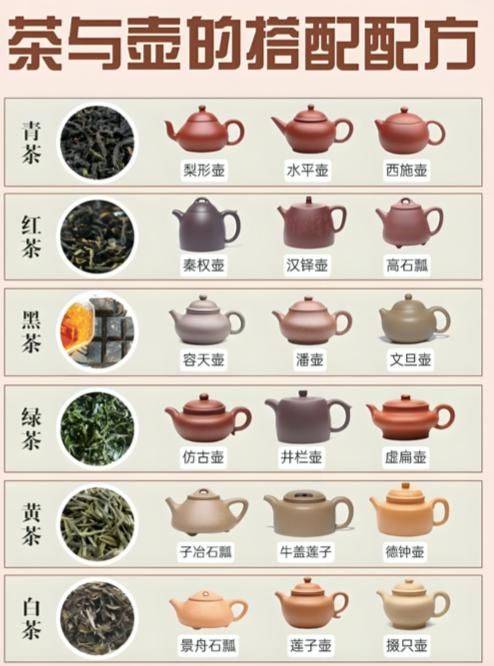
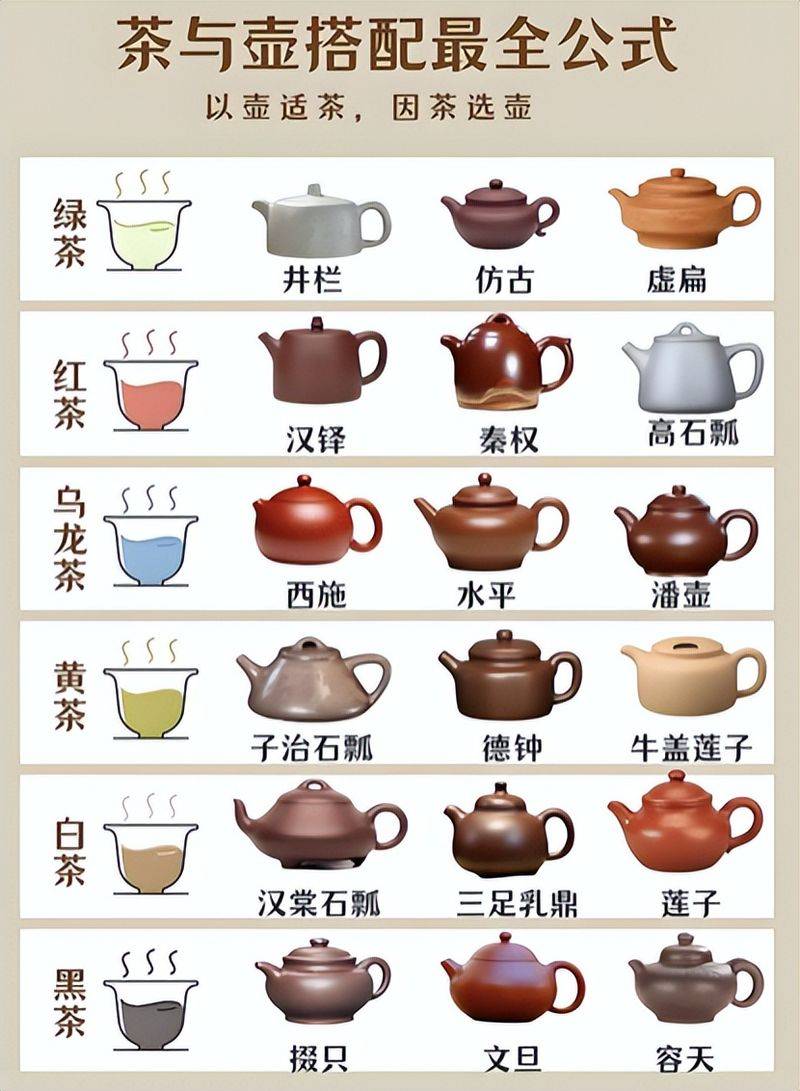
• purple sandpot:
This is definitely the "best partner" of ulong tea and pumo tea. The violet canteens have a good aerobics and a good temperature protection effect, which can better inspire the aromatic and ethanol thickness of these teas。
• glass:
Green tea, flowers and glass are the best! You can clearly see the beautiful picture of the tea spreading slowly in the water and sinking down, and the glass is unsmoking and keeps the taste of tea soup fresh。
• cover bowls:
The bowl is a “gold oil” player who makes tea with red, green and flowers. It spreads hot and is particularly well suited to bursting tea with quick soup and to preserve to the maximum extent the aroma of tea。
• white pot/cup:
White porcelain is pure, not the wind of tea. White tea and yellow tea are made from white pots or white cups, which best display the colour of the tea soup itself and its fresh scent。
• silver pots:
That's very advanced. Tea is made from silver canteens, which are said to be fungicide and softening water quality. It's a little “gentlemany”, but it does make tea feel different, and all kinds of tea can be tried。
Lesson 5: how can tea not be bad? Learn these tricks and lock the snack
It's a shame if you can't get the tea back
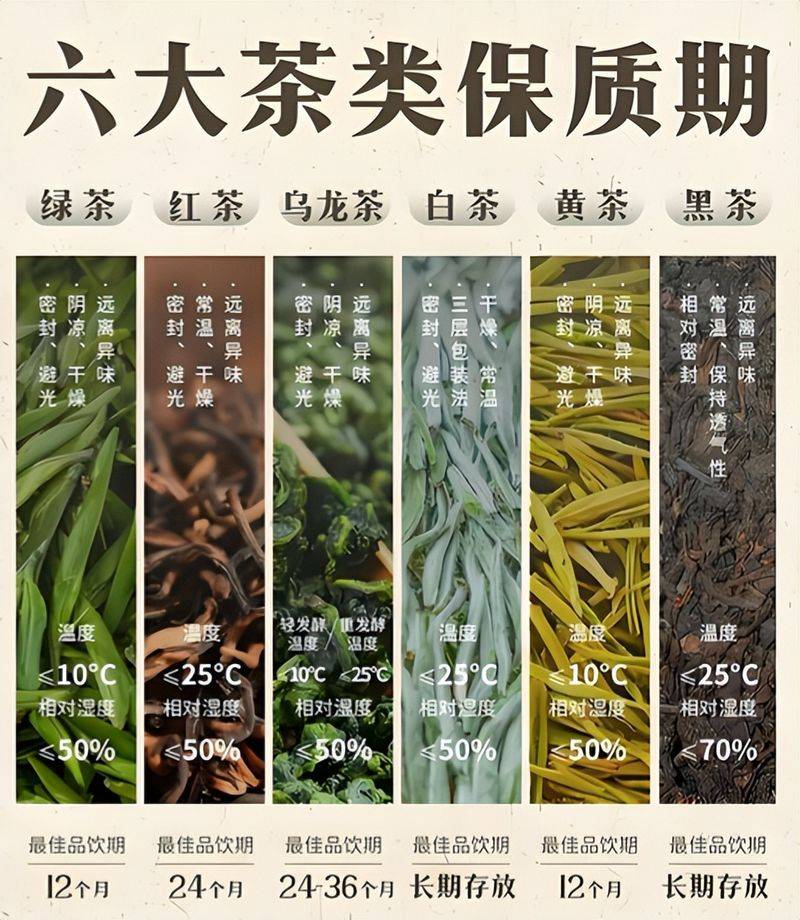
• seal is the way:
It's critical that the tea be packed in aluminium bags or in sealed cans, so that it is not “intimate” to air。
• find a good place:
It's the safest place in the cold, dry and non-favourable. Don't let the sun shine, not in a damp environment。
• special treatment:
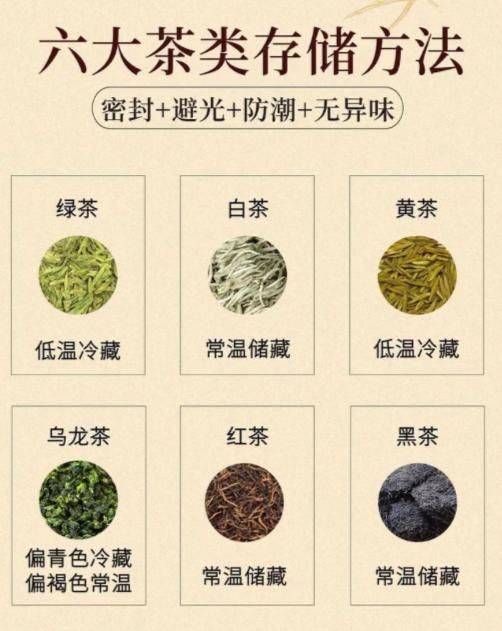
Some tea has to be treated differently. For example, green tea, flower tea, as a result of the pursuit of freshness, it would be better to freeze it in the fridge. And the teas, the black teas, which require the "sweeter" teas, need to be naturalized in a ventilated, dry environment and not in a refrigerator。
Lesson 6: will the tea wash? Stop it
A lot of freshmen ask. Should i wash it
To be honest, washing tea is not a process to be followed
• from a security perspective:
If you buy tea in formal channels, it's not a problem for farmers to meet standards and drink directly, without fear of “cleaning up”。
• in terms of taste and nutrition:
The first bubble of tea is very valuable. Many tea leaves are rich in amino acids and polyphenols, which are quickly dissolved in the first few seconds or even ten seconds. It would be a shame if it were to fall down
• when can we “wash”
If you buy bulk tea, or you really think there might be dust and dust on the tea leaves, or you're really worried about something, you can use some water around 90°c to wash it fast for 5-10 seconds and then fall back. Let's call this "coffee." it's kind of a relief。
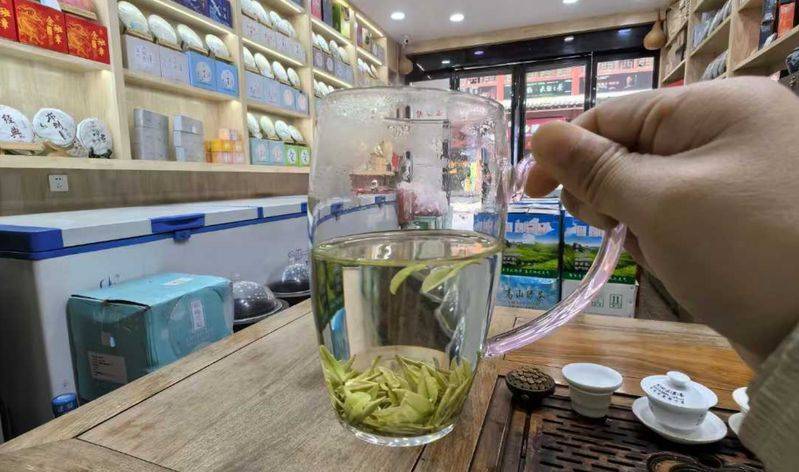
Remember, green tea and white tea, which are warm, usually drink directly and do not “wash”。
Red tea, ulong tea, black tea, if you want to make tea, it's true that the first bowl of soup comes out quickly。
In the last words:
You see, the tea world is big, but it's not that lost
From knowing tea, to knowing how to make it, to choosing tea on the basis of the body, to choosing tea sets, to knowing how to store it, even to "clean tea"