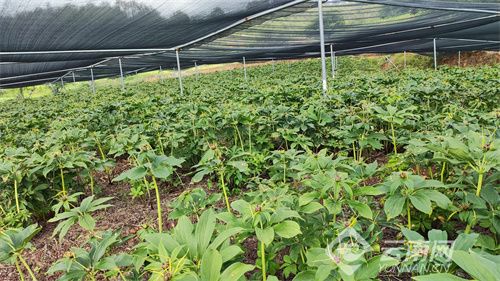
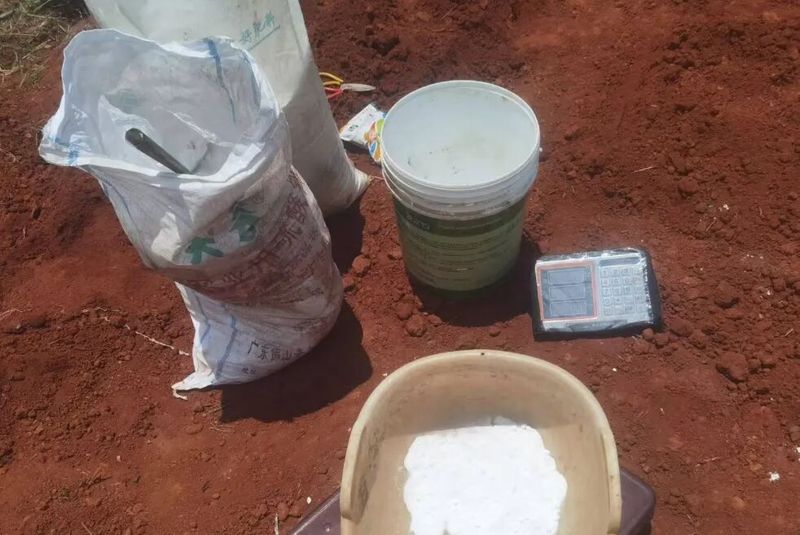
One of the fruits common to our daily lives is the fruit of the sacred fruit, which, because of its nutritional richness, is popular and its area of cultivation is growing unabated, and the recent outbreak of the haenan sango virus, which, once infected with the virus, has a direct impact on production, and is severe or even out of production. Early prevention and preventive measures must be put in place. We must act without waiting。
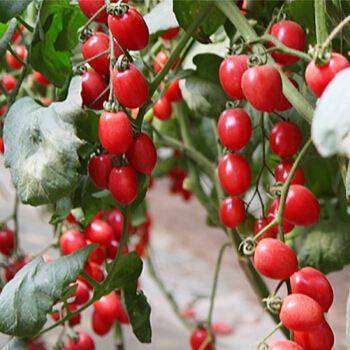
Symptoms of the sacred fruit virus disease are common: three types of leaf, stripe and gill leaf are common in the symptoms of the tomato virus, with the most impact on yields, followed by the tiara virus。
Integrated measures for the prevention and treatment of the disease
1. Selection of disease-resistant varieties, as appropriate. The cultivation of disease-free and insect-free seedlings is crucial. The earlier the disease affects the tomato plant, the higher the incidence, the more prevention begins at the birth of the child, the earlier it is prevented, and the more it is done, the less and less. Weeds around seedbeds need to be removed and seedbed soils need to be sterilized to reduce the source of the disease。
2. Firecrackers. Potato yogurt is transmitted by smoke lice. Smoke lice are flying in the fields. The integrated management of the field, such as the right to block and chemical control, should be strengthened to reduce the flight of smoke lice between adjoining fields
Agricultural measures. Appropriate control of nitrogen fertilizer and maintenance of humid soil on cultivation. Fertilizers are applied to a small number of times, so as to be free from drought and flooding, so that the air is released in due course, so as to avoid high temperatures in the sheds, to regulate the temperature of the fields, to increase the application of organic fertilization, to promote the growth and strength of the plant, to increase the resilience of the plant, and to reduce the source of insects by removing weeds and residues from the fields in a timely manner. Attention should be paid to field management in order to prevent exposure to infectious diseases and, in the case of chickens, whole branches, stings, sticky flowers and fruit-picking operations, to the treatment of healthy plants, the subsequent treatment of disease strains, the full washing of hands and tools with soap, the reduction of human transmission, the detection of the timely removal of strains and the reduction of the source of the virus. The whole branch is then sprayed in time with a precipitator and promotes healing。
4. Introducing a rotational approach. Severely ill plots are subject to more than three years of rotation with crops other than tomato. The cultivation of cucumbers, bean horns, grapes, etc., should be replaced to avoid fusion and reconnection, to reduce and avoid the transmission of the soil and residues of the tomato virus, and to reduce the incidence of the virus; nursery areas and sheds should be completely cleared of toxic weeds and reduce the source of the virus。
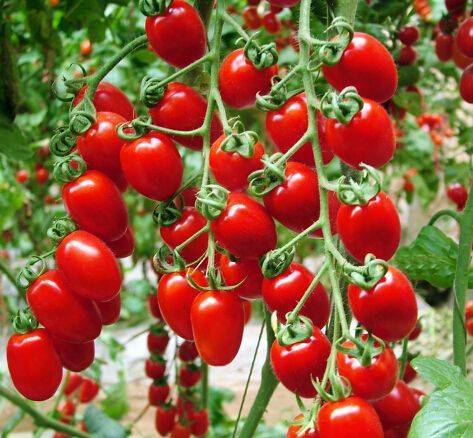
Method of prevention of the disease:
In the field where the virus has already been infected, spray is carried out with 40 g of olyk-vegetative virus, 30 kg of water, day 1, day 2, day 5, three times, and when the disease is controlled, it is converted to prevention。
At the same time, the application of zinc sulphate, calcium nitrate etc. Can be combined to regulate growth。