Circuit theory is one of the important theoretical foundations of modern electrical engineering and electronic science and technology. After more than a century of long paths of development, the theory of circuits has evolved into a discipline of systemic integrity, logic and vitality。
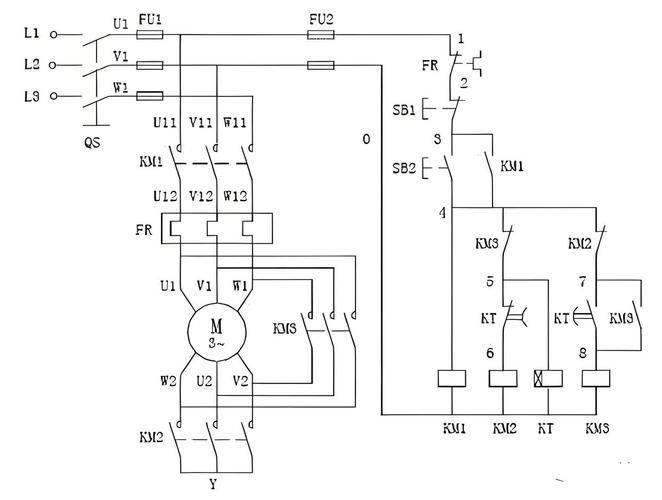
In the field of engineering and technology and in practice, the theory of circuits is very widely applied. From simple lighting circuits to complex power systems; from individual handheld telephones, radios, televisions, to satellite communication networks, to computer internets, there is a close relationship with circuit theory. It can be said that there is an application of circuit theory wherever electricity is generated, transmitted and used. Similarly, the application of circuit theory can be seen in the vast majority of instances where information is generated, transmitted and processed。
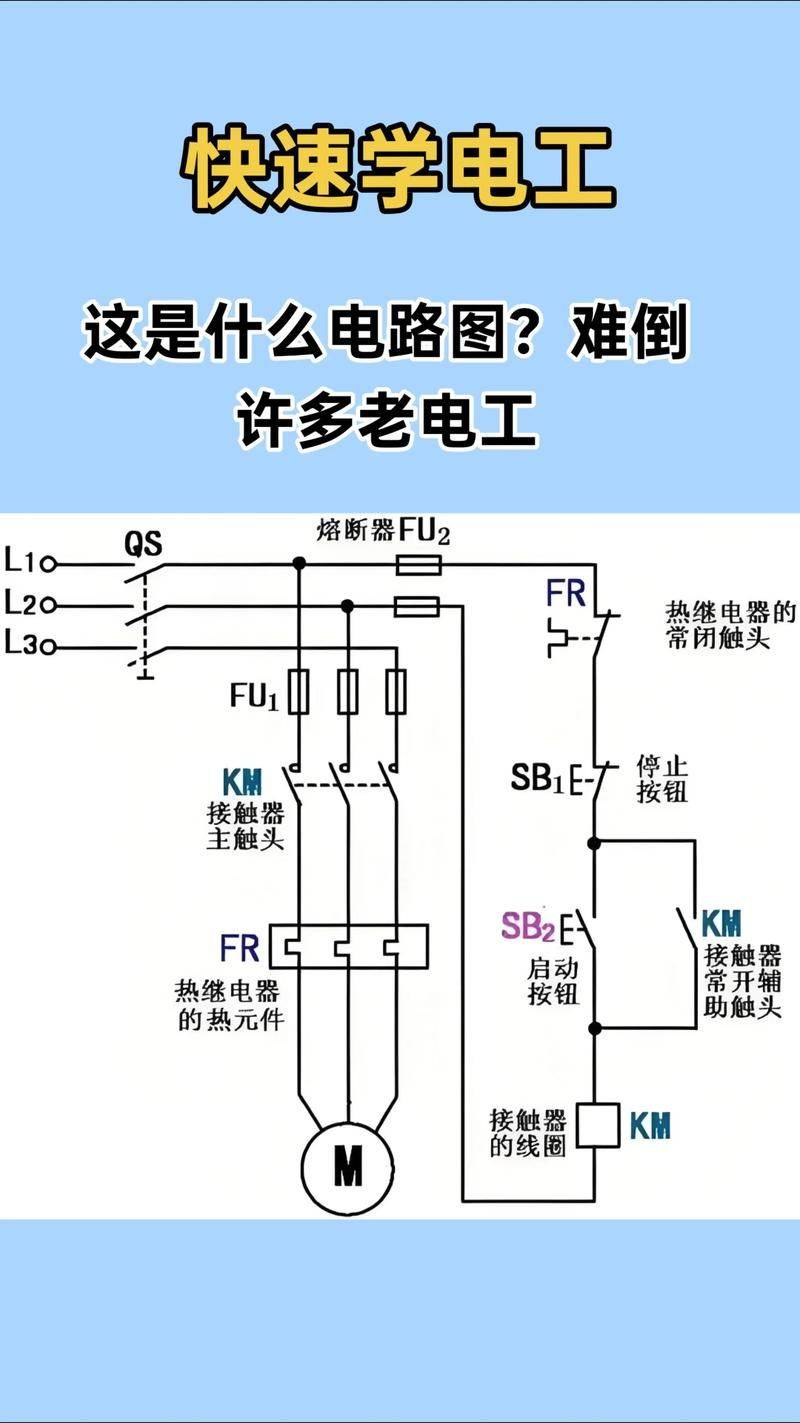
Learning through the circuit course has an important role to play in building the practical engineering perspective of a serious scientific approach and theoretical linkage of students, in building their scientific thinking, analytical computing and experimental research capabilities。
The circuit course is the first basic technical course in electrical, electronic information, automation, computer, etc., and prepares the necessary electrical knowledge for follow-up courses. It is mandatory for all “powerful electricity” and “weak electricity”. As a result, the circuit course plays an important role in the curriculum and teaching content of the electrical profession. Good learning of the circuit course is also important for most other scientific and technical disciplines, as the circuit is almost everywhere. If you are already involved in the work, the practical engineering problems can also be better addressed by learning from circuit mooc to improve the understanding and analytical methods of the circuit concept。
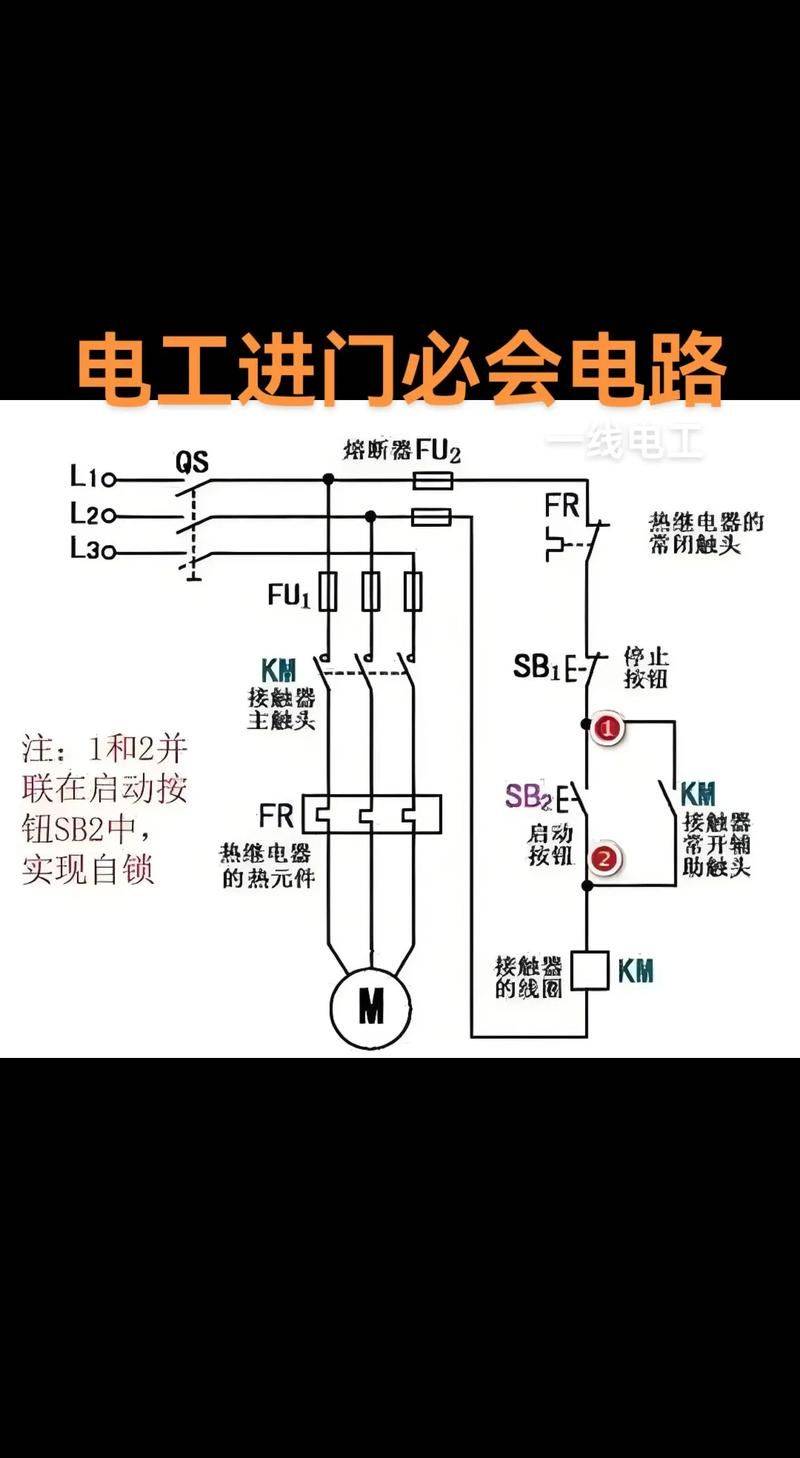
The circuit course should be more practiced, discussed and followed through. In learning, it is necessary to be theoretically relevant, to pay attention to differences and linkages between circuit models and actual circuit elements, and to the application of mathematical methods。