Sulphurization is a key component of rubber processing, where rubber materials are transformed from linear molecular structures to mesh structures to acquire the required physical and chemical properties. This paper will provide detailed analysis of the underlying principles, process types, process parameters, equipment and applications of the sulphide process。
Definition of sulphide
Sulphurization is the process by which rubber material is converted from a linear molecular structure to a 3-d mesh structure by chemically conjunctive reactions, acting as heating and sulphide agents (e. G. Sulfur). This process has significantly increased the mechanical strength, millability, heat resistance and chemical corrosivity of rubber。
2. Chemical reactions of sulphide
Sulphurization responses consist mainly of intersectional reactions between sulphur and the rubber molecular chain. The response was as follows:
Rubber molecular chain + sulfur-coated rubber molecular chain + sulfur-coated rubber
During sulfurization, the sulfur molecule reacts with a double key on the rubber molecular chain, forming a sulfur bridge and thus forming a three-dimensional mesh structure。
3. Impact factor ii for sulfurization reactions. Traditional sulfurization process 2. New sulfurization process iii. Parameter 1. Temperature of sulfurization
Sulphurization temperature is one of the key parameters in the sulphide process. Usually, the higher the temperature, the faster the reaction rate. However, excessive sulphurization temperatures may lead to sulfurization and material decomposition. The optimal sulphide temperature range for different rubber materials varies, and the appropriate sulphide temperature is selected according to the specific material。
2. Timing of sulphide
Sulphurization time refers to the time during which the rubber material is kept at sulphurized temperature. The length of sulfurization time directly affects the degree of sulfurization. Short sulfurization may lead to incomplete sulfurization and excessive sulfurization may result from excessive sulfurization. In general, the time of sulfurization is to be determined by testing to achieve the optimum sulfurization effect。
Sulphurization pressure
Sulphurization pressures facilitate the movement and filling of rubber materials and ensure the homogeneity and confidentiality of rubber materials during sulphide processes. Appropriate sulphide pressures can reduce the generation of bubbles and defects and improve the quality of sulphide products。
4. Sulphides
Sulphides use directly influences the speed and conjunctive density of the sulphide response. The use of too little sulphide can lead to incomplete sulphide, and overuse of too much sulphide can lead to over-sulphation. In general, the use of sulfides needs to be optimized according to specific rubber materials and types of sulfide agents。
Sulphurization equipment 1
Speculators are one of the most commonly used sulphide equipment for the production of various rubber products, such as rubber plates, rubber tubes and rubber pads. The tablet sulfide machine is sulfurizing the rubber material in the mould by heating the tablets and exerting pressure。
2. Sulphurized tanks
Sulphide cans are used for continuous sulphide processes and for the production of rubber bands, rubber tubes and rubber seals, etc. Sulphide cans are sulfurized in closed environments by heating and pressure。
3. Repressors
Long-duration sulphide machines are used for the production of broad-banded rubber products such as rubber chips and rubber plates. The pressurized long-sulphurizers allow the rubber material to be vulcanized in a continuous process through the extension and heating。
Microwave sulphide equipment
Microwave sulphide equipment uses microwave heating to make the sulphide reaction complete in a short period of time and suitable for the production of high performance rubber products. Microwave sulphide equipment has the advantage of being efficient, energy efficient and environmentally friendly。
V. Application of the solimination process 1
Sulphurization plays a crucial role in the manufacture of tyres. Through the sulphide process, tyre rubber materials acquire the mechanical strength, grinding resistance and heat resistance required to ensure that tyres perform well under various road conditions。
Rubber seals
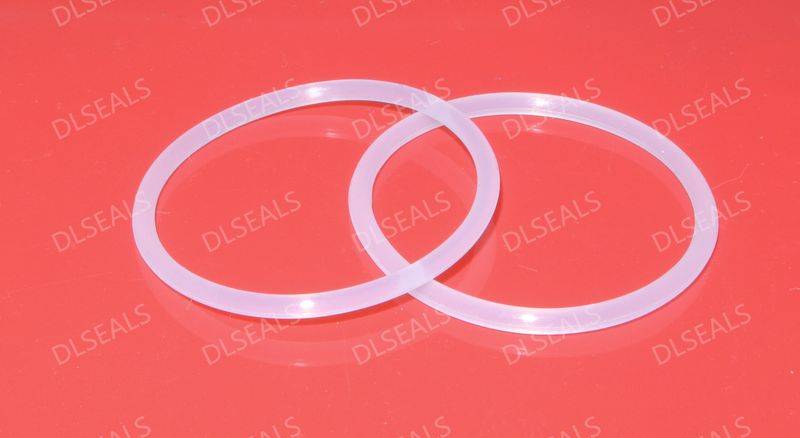
Sulphide is used to produce rubber seals such as o, u and y. Through the sulphide process, seals acquire the required sealing performance and resistance to chemical corrosivity to ensure the reliability and safety of the sealing system。
Rubber tubes and hoses
Sulphides are used in the production of various rubber tubes and hoses, such as hydraulic tubes, pneumatic tubes and food-grade hoses. Through the sulphide process, rubber tubes and hoses acquire the stress resistance, grind tolerance and chemical corrosivity required to ensure their reliability in various applications。
Rubber mats and rubber plates
Sulphides are used in the production of rubber pads and rubber plates, such as skis, tremors and soundproofing pads. Through the sulphide process, rubber pads and rubber plates acquire the mechanical strength, grinding resistance and heat resistance required to ensure their performance in various applications。
Vi. Future trends in sulphide processes 1. Green and environmentally sound sulphide
As environmental awareness increases, green and green sulphide processes will become a future trend. Research on low-voc emissions, low-energy consumption and recyclable sulphide agents and processes will be important research directions。
2. Smart sulfurization
Smart sulphide equipment and processes will improve production efficiency and product quality. Real-time monitoring and optimization of the sulphide process through the introduction of material networking, large data and artificial intelligence techniques to improve the accuracy and reliability of the sulphide process。
3. High performance sulphide
As new materials and technologies evolve, the high performance sulphide process will meet increased application needs. Improving the performance and functionality of sulphide products and expanding their fields of application through research and development of new types of sulphide agents, sulphide processes and sulphide equipment。
Summary
Sulphurization is a key component of rubber processing, where rubber materials acquire the physical and chemical properties required. This paper provides detailed analysis of the underlying principles, process types, process parameters, equipment and applications of the sulphide process. As technology develops and demand diversifys, the sulphide process will continue to innovate in green, intelligent and high performance directions, providing more reliable technical support for the development of the rubber sector。
Question of sealing: delong! Sealmaker, custom sealing, from design to development, from production to testing, full range of services. More information you want to know can be directly linked to the telong seal, which is being served by an expert in german products