Demand (demand) refers to a combination of consumer or business aspirations and purchasing power for goods or services. In economics, demand is not just a psychological or emotional desire, but rather an act that is willing and able to buy a particular commodity or service at a given price. The causes of demand range from social, cultural, economic, technological and other factors. We will then analyse in detail the causes of demand and their performance in all its aspects。
I. What is need
Demand refers to a combination of consumer or market expectations, desires and purchasing capacities for specific goods or services. It is not merely an idea or interest in the product, but an intention to be able to actually purchase it at a given time and price. There are two core elements of demand in economics:
Wish: consumers want a product or service. Capacity to pay: consumers are able to pay the corresponding price and are willing to trade。
Demand formula: demand = desire + capacity to pay
For example, when you want to buy a mobile phone, if your financial situation allows and the price of a mobile phone is within your acceptable range, you have the need to buy it。
Ii. Causes of demand
Demand does not occur naturally, but is triggered and driven by multiple factors. The main causes of demand are as follows:
Basic needs of consumers (physiological needs)
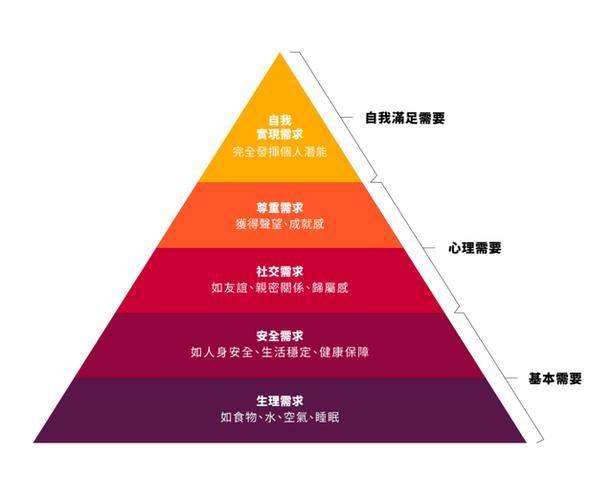
This is the most fundamental need, usually those directly related to survival and quality of life. According to maslow's theory of the level of demand, human needs move from the level of biological need to that of self-realization, with underlying physiological needs being the most fundamental drivers, such as:
These needs are usually unconditional, and meeting these basic needs in a given economic and social environment is reflected in sustained and stable market demand。
2. Social and cultural factors
Socio-cultural contexts influence the consumption behaviour of individuals and groups. Different cultures, traditions and social practices may shape different needs. For example:
3. Economic factors
Consumer capacity to pay directly affects demand formation. Changes in the economic environment (e. G., income levels, tax policies, inflation, etc.) can directly affect consumer demand:
4. Technological progress and innovation
Technological developments have contributed to demand generation and growth. For example:
5. Psychological factors

Human psychological characteristics, emotional needs and cognitive preferences can also significantly affect demand. For example:
6. Environment and external factors
Changes in the external environment, such as natural disasters, epidemics and social change, can have a direct impact on demand. For example:
Iii. Demand-led factors
Changes in demand are usually triggered by changes in external or internal factors, and the following are the main drivers of changes in demand:
Market trends and popular culture: consumer attention to fashion and currents can drive demand. For example, the prevalence of a star or social platform generates a large number of consumer demands for a product。
Innovation and technological development: new technologies tend to create new consumer demand. For example, developments in internet technology have generated demand for cloud computing, social media, online education, etc。
Changes in laws and regulations: government policies and laws may promote or limit certain needs. For example, environmental regulations promote demand for renewable energy equipment and electric vehicles。
The impact of external events, such as global epidemics, political events, can lead to rapid growth or decline in demand for specific goods and services。
Location of needs
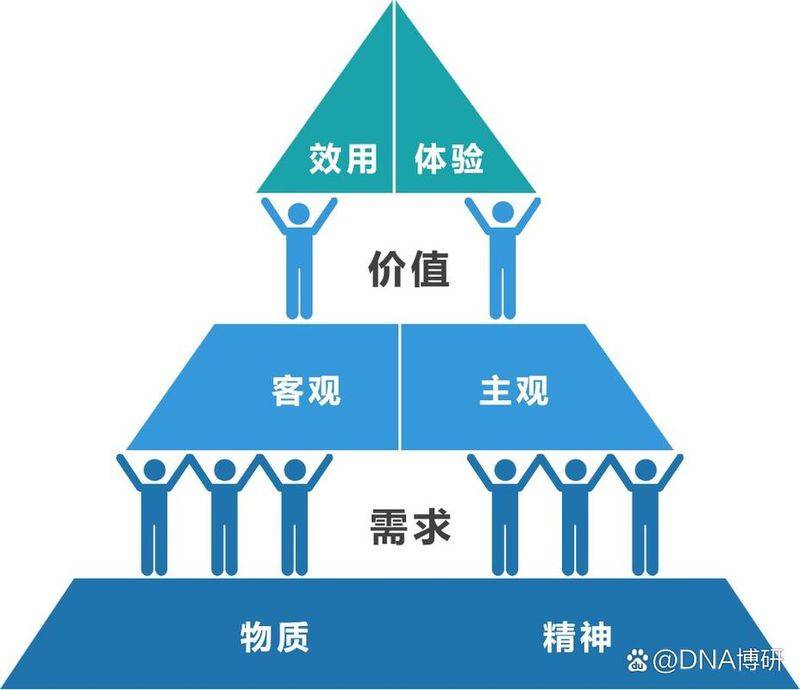
Demand usually exists in the market, that is, where consumers, businesses and service providers interact. The emergence of demand is not limited to actual purchases, but also includes potential demand from markets. The market can be divided into:
Consumer markets: demand for goods and services by consumers, individually or in households. Enterprise market: inter-firm demand for means of production, raw materials, equipment, etc. International markets: the global demand for cross-border trade is influenced by economic policies and cultural differences among different countries. How to identify needs
Demand was identified as key to entrepreneurship, marketing and product development. The following are some of the ways in which needs are identified:
Market research: information on potential demand can be effectively collected through regular or targeted research on target markets (e. G. Questionnaires, focus groups, in-depth interviews, etc.). Consumer feedback: understanding changes in market demand directly through consumer feedback. Social media and web analysis: understanding consumer concerns and trends in demand through analysis of information from social platforms, forums, reviews, etc. Competition analysis: analyse the products, services and market strategies of competitors to identify unmet market needs. Data mining and big data: identification of potential demand through analysis of data on consumption behaviour, browsing records, purchasing habits, etc. Vi. How requests are responsibilated
The emergence of demand is usually the result of a multi-factor interaction. It may appear at a particular time and place due to the intersection of multiple factors:
Market gaps arise: new demand arises when a particular demand is not met in the market or when existing goods and services do not meet new consumer demand. New demand for technology and innovation: the introduction of new technologies, products or services may create new demand. For example, the emergence of smartphones has created new demands for mobile internet, applications, etc. Social change: social changes such as population ageing and lifestyle changes also generate new demands. For example, ageing societies contribute to the demand for services such as geriatric care and health management. Circumstances change: for example, seasonal demand (winter demand for heating equipment, summer demand for air conditioning), emergencies (e. G., epidemic demand for medical and teleworking equipment). Summary
Demand is a central concept in economic activity, involving the intersection of multiple factors. The causes of demand include both basic physiological needs and social, cultural, economic, technological and other factors. Demand is not only a combination of consumer desires and purchasing power, but also a result of changing and evolving market environments. Demand has been identified as requiring in-depth insight into markets and consumer behaviour, while demand generation is the result of a combination of factors. Understanding these factors can help enterprises and individuals to better seize market opportunities and achieve success。