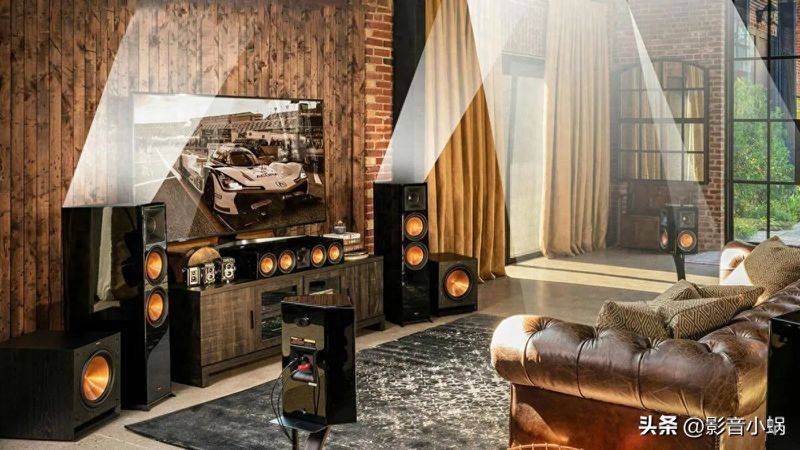
The doobie panorama is now everywhere, with echo walls, avs, laptops and even exaggerating refrigerators and cars. Dube gave this technology to countless products, of course it's good (who has a grudge against money), but it's a lot of problems – not all of the equipment can achieve the ideal overall sound effect, or even basic standards. That brings us to a topic we're going to talk about today: if i buy an echo wall that supports the dubby panorama, it'll work just as well as a multi-channel system with a full set of stereos and avs? Let's talk about it today。
In fact, there are a lot of factors that affect the effect, not just the device itself, but also the quality of the tracks you play. And there's a cold knowledge that many people don't know: dubbie's overall sound is actually two. One is damaging to compression, which is the format used in netflix, which is a stream of media platforms; the other is intact, which can only be seen in the highest quality uhd blue disk. But what we are comparing today is equipment, so long as we guarantee a fair comparison between peaches and pears, the difference between the two versions can be set aside。
So the question arises: is there a difference between the sound wall and the performance
Frankly, this depends to a large extent on the specific configuration, so let's go from simple to complex to as fair a comparison as possible。
First of all, the basic point: if your echo wall does not have a dedicated sky speaker unit (usually on top of the echo wall, or on the back of a stand-alone box), then it doesn't have the full-speech effect. That's right, it's probably just "support the decoding," but there's no real loop, it's just a "fake panorama."。
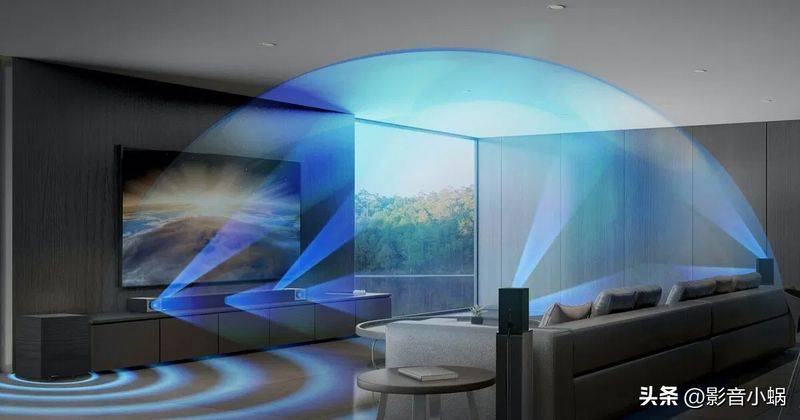
A better echo wall would be accompanied by a “upward sound” speaker unit, which would also be divided into two categories: one with an upward sound unit only on the subject of the echo wall; and the other with both the echo wall and the recoil box. If the first type of effect is significantly different from the top-up soundbox of the system, the second category is closer (because the sound position and rationale are similar). However, most of the time, the performance will be better, as the soundbox used is often larger and better, allowing for fine-tuned delays and time synchronization of these parameters。
Note, however, that all “upward sound” programmes require a smooth and flat ceiling (e. G., a plaster or a ceiling) to effectively reflect sound. If the ceiling is not flat, the effect will be significantly reduced。
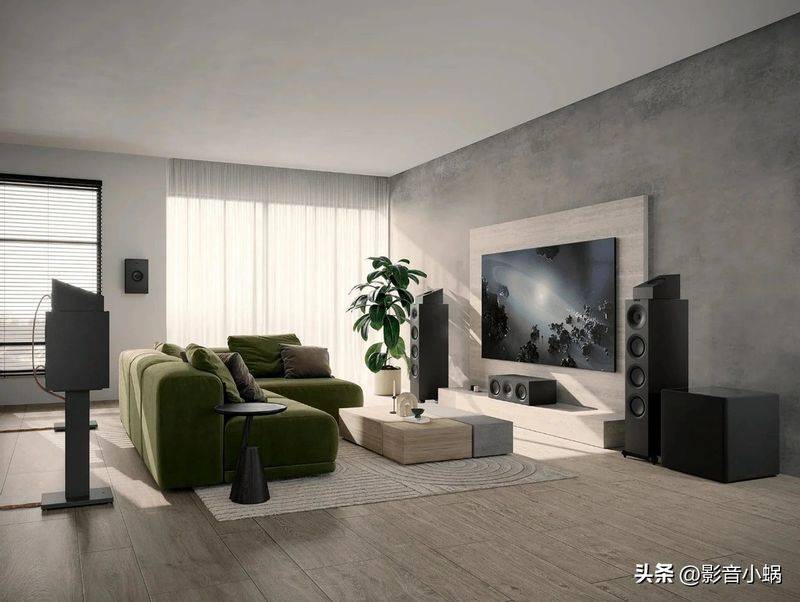
Finally, if the installation of a physical soundbox on the roof is actually connected to the installation, the effect is completely different. At this point, no matter how powerful the sound wall is, there's a few up-throwing units that are easily crushed -- because the sound is coming from above you, that's the real "sky channel"。
The conclusion is not surprising: the best sound experience is the av; if the conditions permit, select the tape
The top physical soundbox program。
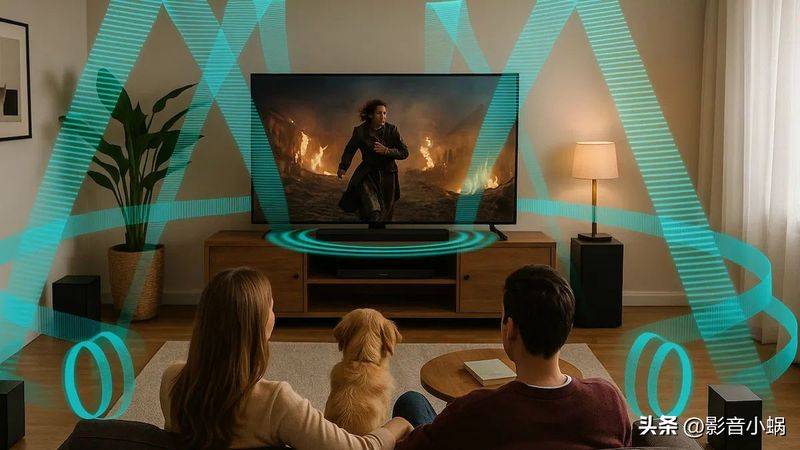
If no top-up soundbox has been considered before, but the conditions in the home allow (e. G. With a hoist), it is really suggested to try, and the effect is very clear。
It's not as difficult as it looks: opening a slightly smaller hole on the chandelier than the soundbox, plugging in soundproof cotton, fixing embedded units. There is also no difficulty in wiring, and if it is a plaster wall, be patient enough to get the line through the wall to the kick line and then covertly receive it。
Is that worth it? I personally think it's worth it. This real voice coming from the top of the head, and the results simulated by reflection, are completely different. It's just that there's a small problem at the moment: there's still little panorama in chinese. Either we can live on a dedicated “simulation around” function or we can find more foreign-language films to truly enjoy the full-sonic experience。