Optical experiments and pv course design i. Course objectives
Knowledge objectives:
1. To equip students with the basic principles of photoelectricity and to understand the relationship between light and electricity。
2. To educate students about the working principles of optical sensors and their application in real life。
3. To guide students to the operational methods and data-processing techniques of pv experiments。
Skills objectives:
1. Building the capacity of students to use the knowledge gained to design and implement photovoltaic experiments。
2. Building the capacity of students to use scientific methods to analyse problems and solve them。
3. Improving students ' experimental operating skills and teamwork。
The goal of emotional attitudes values:
1. Fostering students ' interest in physics and stimulating them to explore the phenomenon of pv。
2. To foster a scientific attitude that is rigorous and realistic and that fosters the right values。
3. Promote environmental awareness among students and focus on the role of photovoltaic technology in sustainable development。
The nature of the course: this course is an experimental course in physics, which aims to provide students with an in-depth understanding of the pv phenomenon and its application through practical application。
Characteristics of students: students are in high school, have a certain physical knowledge base and experimental skills, and are curious about new things。
Teaching requirements: to combine the characteristics of the students, to focus on theory and practice, to fully mobilize the students'subjectivity, to enhance their practical abilities and innovation. Through the decomposition of course objectives, expected learning outcomes are concretized to inform the design and evaluation of teaching。
Ii. Elements of education
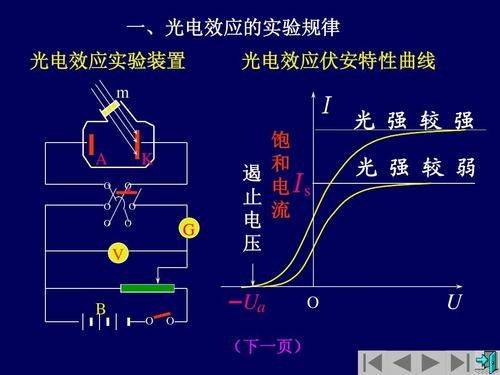
1. Optical power fundamentals: the definition, conditions and type of photoelectric effects are described in conjunction with chapter xi, section 3, of the textbooks, the launch of optical electrons and the pv equation。
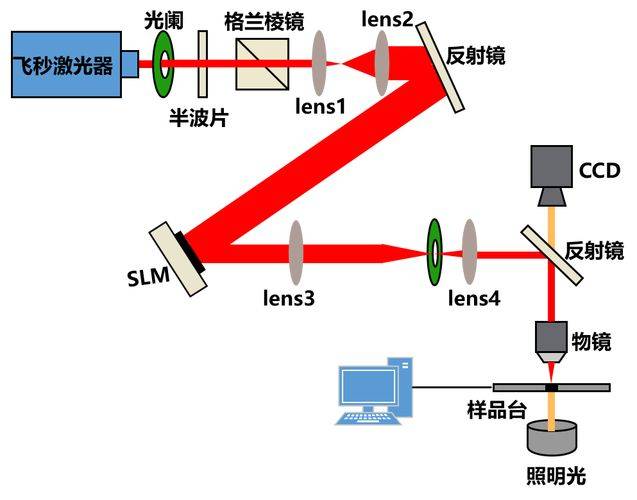
2. Optical sensor principles and applications: a description of the working principles, classification and advantages of optical sensors in practical applications, with examples of typical optical sensors and their applications in industrial, medical, etc., taking into account chapter xi, section 4, of the textbook。
3. Optical experiments and data processing: based on course objectives, the following pilot projects are designed:
Optical-electric experiments: to observe the effects of different light sources and materials on photoelectric effects and to measure the maximum initial kinetic energy of optical electrons。
B. Optical sensor experiments: understanding the workings of different types of optical sensors and learning to use sensors for data collection。
Teaching content and progress: 4 hours, 1 session on the basic principles of photoelectricity, 2 session on the principles and applications of optical sensors, 3-4 session on the operation and processing of optical experiments。
4. Teaching material chapters: this instruction covers chapter xi of the textbook, on photo-electricity and photo-electric sensors。
Iii. Teaching methods
For this section, the following teaching methods are used to stimulate the interest of students in learning and improve the effectiveness of teaching:
1. Teaching methods: teaching methods are used when teaching theoretical knowledge about the basic principles of photoelectricity and the principles and applications of optical sensors. Teachers have acquired optical knowledge of the student system through clear and live language, a combination of books and multimedia presentations。
Discussion method: in the course, panel discussions will be held on the practical application of photovoltaic phenomena. For example, students are asked to explore the advantages of pv applications in different settings and to develop their capacity to analyse and solve problems。
3. Case analysis law: analysis of specific applications of optical sensors in areas such as industry, medicine, etc., in conjunction with chapter xi of the textbook. Through case teaching, students are better informed about the practical application of photovoltaic technology and their practical skills are improved。
Experimental methods: placing pv experiments in the curriculum, allowing students to operate the experimental equipment in person, observing pv phenomena and measuring relevant data. Experimental methods help to develop the hands-on skills and experimental skills of students and deepen understanding of theoretical knowledge。
5. Mission-driven approach: students are divided into groups, each completing a pv experiment. In carrying out their mission, students need to have independent access to information, design programmes, implement experiments and summarize results. This approach helps to improve students'self-learning abilities and teamwork。
Interactive teaching: in the course of teaching, teachers interact with students through questions and answers. To encourage students to participate actively in classroom discussions, to improve the classroom atmosphere and to enhance their interest in learning。
7. Innovative thinking training: encouraging students to develop new perspectives, new approaches in the learning process, and building students ' awareness and capacity for innovation。
Iv. Evaluation of education
In order to ensure the effectiveness of teaching and learning and to fully reflect students ' learning outcomes, this section uses the following assessment:
1. Normal performance: 30 per cent of total evaluation results. These include classroom attendance, classroom participation, group discussion performance, etc. This part of the evaluation aims to encourage students to participate actively in classroom activities and to develop good learning attitudes。
2. Operations: 20 per cent of the total rating. The placement of tasks related to the content of the course requires students to complete them within a specified time frame. An operational assessment of students ' knowledge of the classroom。
3. Experimental report: 20 per cent of total evaluation results. Students are required to prepare the experimental report, including the purpose, rationale, process, results and analysis of the experiment. Evaluate student experimental operational capacity and analytical processing of experimental data。
4. Intermediate examination: 10 per cent of total rating. The examination covers theoretical knowledge in the first half of the course, with the choice of the subject, the filling of the question and a brief answer entitled " master " , to test students ' knowledge of basic knowledge。
Final examination: 20 per cent of total rating. The examination consists of theoretical knowledge and experimental skills throughout the course for a combination of applications entitled masters, assessment of students ' combined operational abilities and innovative thinking。
6. Innovative practices: 10 per cent of total evaluation results. Students are encouraged to participate in innovative practical projects in the course of their studies, such as scientific competitions, writing scientific papers, etc. This section assesses students ' innovation, practice and teamwork。
The teaching evaluation is carried out as follows:
1. Development of evaluation criteria: identification of scoring criteria and requirements for the content of assessments to ensure objectivity and impartiality of assessments。
2. Process monitoring: in the course of teaching, teachers should monitor students ' progress and performance in a timely manner, provide feedback and guide them to improve。
3. Publicity of achievements: at the end of the course, students ' achievements are aggregated and publicized to ensure transparency in the results of the assessment。
4. Feedback and improvements: according to the assessment, teachers should provide targeted feedback to students to guide them in identifying gaps and improving the effectiveness of teaching。
V. Pedagogical arrangements
In order to ensure that the teaching tasks are carried out successfully, and taking into account the actual situation of the students, the teaching arrangements in this section are as follows:
1. Progress in teaching:
- week 1: learning and discussion of pv fundamentals
- week 2: presentation and analysis of the principles and applications of optical sensors
- 3-4 weeks: pv experiments and data processing, grouping for pilot projects
- week 5: mid-term examinations to test students ' knowledge of the first half
- weeks 6-8: in-depth study of photovoltaics and innovative practical projects
- week 9: final examination, comprehensive assessment of student learning outcomes。
2. Teaching time:
- theory course: 2 hours per week, for a total of 18 hours
- experimental courses: 2 hours per week for a total of 12 hours
- interim examination: 1 hour
- final exam: 1 hour。
Place of instruction:
- theory course: multimedia classrooms in schools
- experimental course: school physics laboratory。
4. Considering the actual situation of students:
- the organization of teaching to avoid other important subjects and activities of students and to ensure their full participation
- experimental courses are scheduled during the student's energetic period in order to enhance the effectiveness of the experiment
- the innovative practice project encourages students to use their extracurricular hours to develop their own learning skills
- the progress of education is adjusted to student feedback to ensure its effectiveness。
5. Extracurricular counselling and answer:
- the teacher arranges for a fixed period of extra-curricular counselling to help students resolve problems encountered in their studies
- establish learning groups to facilitate online communication, question and share learning。