An pv sensor is a sensor that uses pv to detect changes in the presence or location of an object. They are widely used in areas such as industrial automation, robotics, medical equipment and environmental monitoring。
Application of pv sensors 1. Industrial automation
In industrial automation, photovoltaic sensors are used to detect the presence, location, size and velocity of objects. For example, in automated assembly lines, sensors detect the correct placement of parts or the integrity of the product on the packaging line。
2. Robotic technology
In robotic technology, optical sensors are used for navigation, shielding and object identification. For example, unmanned vehicles use sensors to identify road signs, pedestrians and other vehicles。
3. Medical equipment
In medical equipment, pv sensors are used for non-contact measurements such as heart rate monitoring, blood pressure measurements and body temperature tests。
4. Environmental monitoring
Photoelectric sensors are used in environmental monitoring to detect light power, colour, smoke and other environmental parameters to assess air quality, light conditions, etc。
5. Security systems
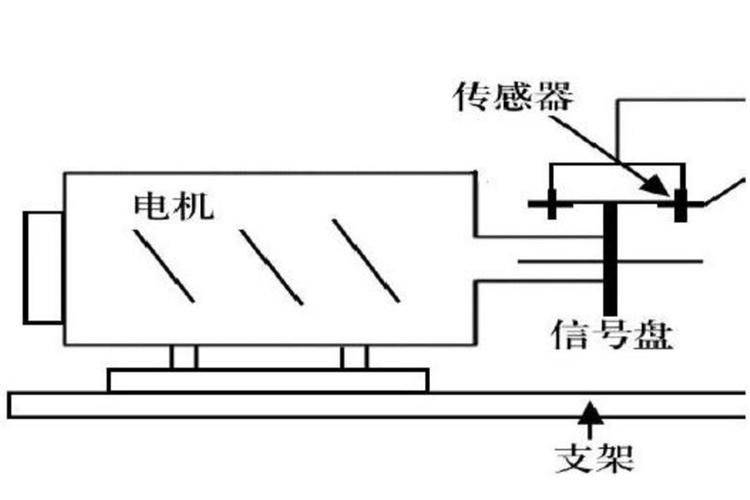
In the security system, pv sensors are used for intrusion detection, door lock control and emergency shutdown。
Electronic effectives response
Photoelectric effects are phenomena where the substance releases electrons when the light reaches the surface of the substance. This is the foundation of the optical sensor。
2. Photosensitive components
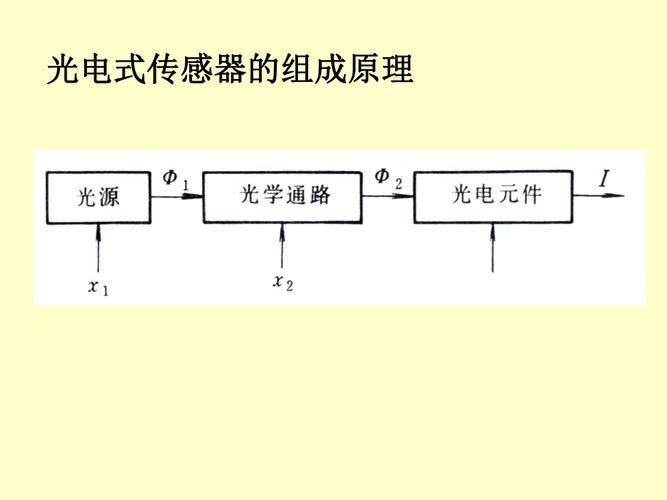
The core of pv sensors is photo-sensitive components such as pv diodes, pv transistor tubes and pv multiplication tubes. These elements are capable of converting light signals to telecommunications。
3. Moderation and reconciliation
In some applications, sensors use modulated light signals to increase their resistance to interference and to detect accuracy。
Signal processing
The pv output telecommunications numbers usually require processing with magnification, filtering and conversion to suit subsequent data processing and control needs。
Type of pv sensor 1. Pvd
The pv diode is a semiconductor device that produces electrical currents when the light reaches its pn knot。
2. Optical transistors
The pv transistor is similar to the pv diode, but is magnified to provide a stronger signal。
3. Photomultiplier tubes
The light multiplication tube is capable of magnifying the weak light signal tens of thousands of times, often for high sensitivity detection。
4. Fibre-optic sense device
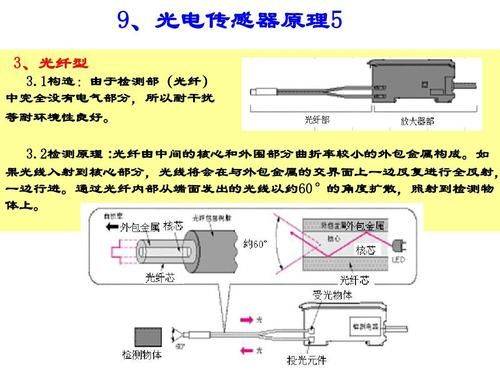
Fibre-optic sensors use fibre-optic as a transmission medium of light and have the advantage of being able to resist interference and of being small。
Photo-electric sensors are designed with 1. Photo-source selection
The selection of the appropriate light source is essential for the performance of the sensor, including wavelength, strength and stability of the light source。
2. Photography
The optical design needs to take into account elements such as the routing, reflection and dispersion of light to ensure the accuracy and reliability of sensors。
3. Environmental factors
Environmental factors, such as temperature, humidity, vibration, etc., may affect the performance of sensors and therefore need to be considered when designing them。
4. System integration
Optical sensors usually need to be integrated with other electronic components and control systems to achieve specific functions and performances。
Conclusions
Optical sensors play an increasingly important role in modern technology because of their high sensitivity, non-contact measurements and rapid response. As technology advances, the application of pv sensors will be further expanded and their performance will be continuously enhanced。