


Five lines of thought: the application of natural philosophy and practice in traditional chinese culture
As an important part of china's ancient philosophy, the chinese people's awareness and understanding of the many relationships between nature, the human body and society are deeply reflected. It is not only a system of elements describing natural phenomena, but also a philosophy that guides life and reconciles everything. The content and value of the five lines of thought will be explained in a comprehensive manner in terms of definitions, attributes, symbiotic relationships and their broad application。
I. Basic definitions for the five lines
Five rows, referring to wood, fire, earth, gold, water, five basic elements or element systems. These five elements are considered to be the basic material or energy state of nature and represent the generation, change and interrelationship of all the universe's creatures. The fifth line is not a mere physical existence but a symbolic classification system that describes the phenomena of nature and their interlinkages。
In ancient philosophy, the five lines were considered to be fundamental elements of everything in the heavens and the earth, covering multiple dimensions, such as matter, energy and gas fields. They are both physical-level entities and symbolically representative of different attributes, locations, seasons, etc., thus forming a whole universe view。
Ii. 5-line properties
Colours: the colours of the five rows are clearly symbolic. The wood is green, representing life and growth; the fire is red, symbol of passion and energy; the earth is yellow, symbol of centre and tolerance; the gold is white, symbol of hardness and purity; and the water is black or blue, displaying cold and deep. Location: the five-line equivalent is also important. Wood in the east, fire in the south, soil in the centre, gold in the west and water in the north. This locational relationship provides guidance in windwater layouts to reconcile space energy. Season: each element corresponds to a different season. The spring is wood, symbolizing the bud of everything; the summer is fire, symbol of prosperity and warmth; the summer is earth, symbol of abundance and tolerance; the autumn is gold, symbol of harvest and slaughter; and the winter is water, symbol of cold and collection. Nature: the fundamental nature of the five lines reflects their performance in nature and society. Wood symbolizes growth and growth, fire represents enthusiasm and rise, earth has a central and inclusive character, gold is hard and condensed, and water is cold and heavy. These natures are instructive in practice in areas such as chinese medicine and wind water。
Three, five lines
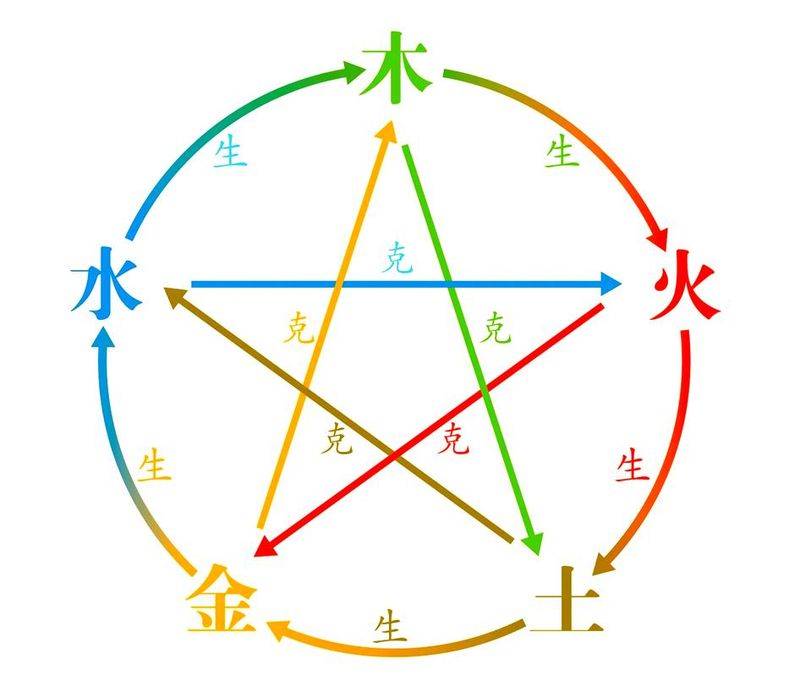
There is a mutually reinforcing and supportive relationship between the five lines, known as the “resonance”. This relationship reflects the circulation of matter and energy in nature。
This symbiotic relationship emphasizes the interdependence and cycle of everything and embodies the natural law of “lifeless”。
Four, five lines of the aok relationship
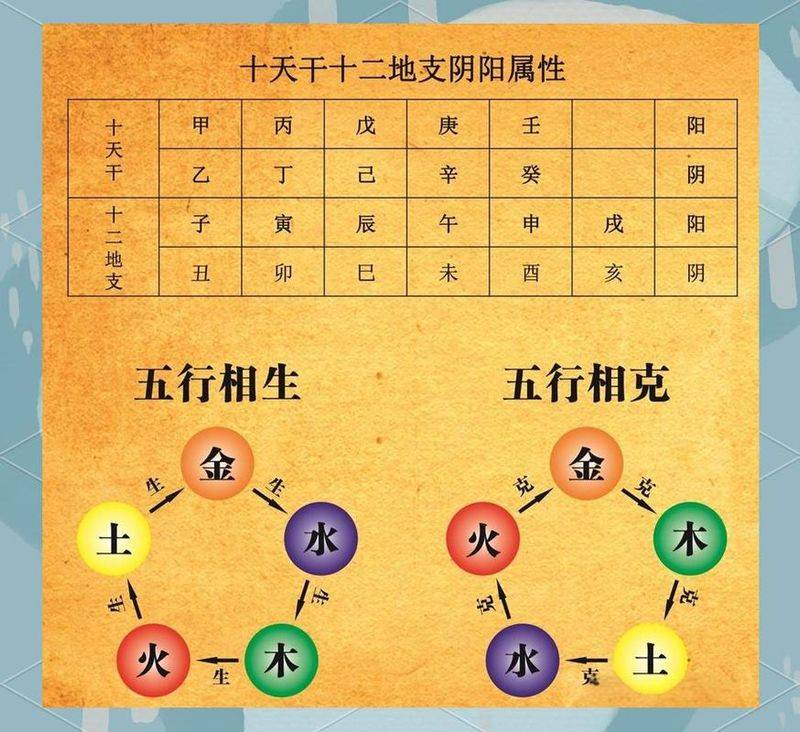
In addition to symbiotic relationships, there are checks, checks and balances between the five lines to maintain a systematic balance。
The hex relationship emphasizes the importance of checks and balances and reconciliations to avoid excessive expansion of an element leading to systemic imbalances。
V. Five-line practical applications
The five lines of thought have been widely applied in many areas of chinese culture, fully embodying its harmonious and balanced philosophy。
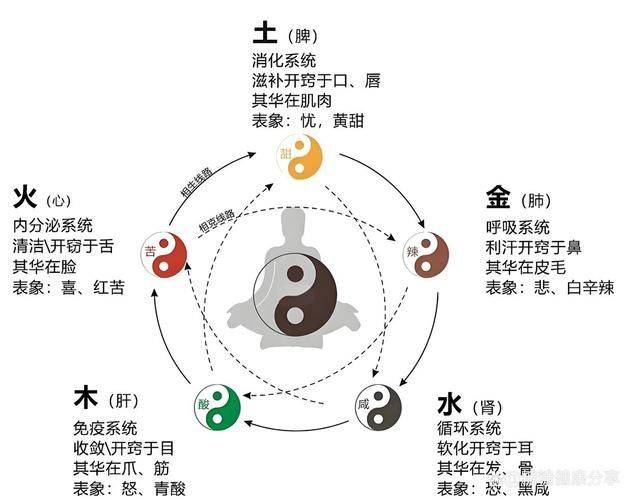
Chinese medicine: thesis of the five lines is the basis of chinese medical evidence. The human body is seen as an organic whole, with different obscenities corresponding to different five lines of elements. For example, the liver is wood, the heart is fire, the spleen is earth, the lung is gold and the kidney is water. By analysing five lines of life-to-child relationships, doctors can diagnose the causes of the disease, develop adjustment programmes and achieve a balance between the sexes. Windwater: wind hydraulic uses five lines of position, colour and seasonal properties to layout the environment to reconcile the aerobic field. The design of dwellings, cemeteries and offices is balanced and coordinated in five lines to promote the health, finances and well-being of the inhabitants. Prejudice: eight words are used to calculate the fate, character and movement of the individual by analysing the primordial nature of the time of birth and combining the five lines. The rationalization of the five-line elements will help to improve the shortcomings of the mandate and achieve harmony in life. Agriculture and subsistence: in agriculture, five rows guide crop cultivation and crop rotation to preserve soil fertility. In the area of nutrients, five lines of theory guide people in regulating their diets and eating, improving their physical balance and health. Martial arts and art: some traditional martial arts emphasize five lines of cooperation and reconciliation, reflecting both internal and external thinking. In artistic creation, harmony is sought by drawing on the colours and patterns of the five lines。
Vi. Philosophy of five lines of thought
The fifth line is not only a basic element of nature, but also a philosophical idea that reflects the patterns of change in everything in the universe. It emphasizes “change is normal” and achieves a dynamic balance between all things in a continuum of life. This ideology inspires the pursuit of harmony and accommodation in the relations between human beings and nature, human beings and society, avoiding extremes and imbalances。
The interrelationship between the five lines emphasizes a systemic holistic view, advocating for adaptation to nature and a focus on reconciliation and balance. Such ideas continue to be important guides in the areas of contemporary ecological civilization-building and sustainable development。
The fifth line, which is an important system of thought for traditional chinese culture, combines many fields of natural science, philosophy, medicine and art, reflecting the profound understanding of the secrets of the universe among the chinese nation. It reveals the patterns of change in nature and society through interlocking relationships and provides people with the scientific tools to understand and regulate the world. Today, the five lines of thought continue to breathe new life into modern life, serving as an important bridge between traditional wisdom and modern practice. The understanding and application of the five lines will not only help us to better understand nature, but also guide us towards the goal of physical and mental health and social harmony。



