The heater is a device that we see all the time in the factory. What's the structure? What kind? Please listen to me
Motion of work: use of high-temperature flames and flue gas generated by fuel burning inside the furnace as a source of heat to heat the fluids flowing through the furnace tube to the required process temperature。
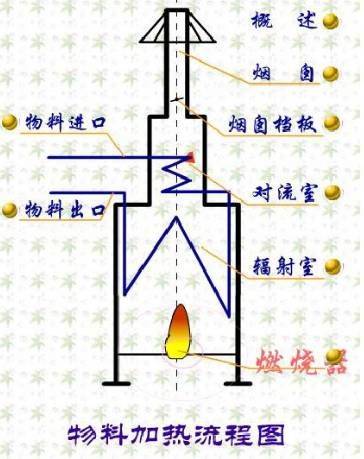
Fuels are burned from the burner, producing high-temperature flames and high-temperature fumes, and high-temperature flames pass the heat through radiation to the indoor furnace tube, which in turn transmits it to the medium within the furnace tube. High-temperature flue gases, as a result of the pumping power of the chimney or the role of the windmaker, go up into the convection chamber of the heating furnace and pass the heat through the convection to the tubes of the convection chamber and then to the medium within the furnace。
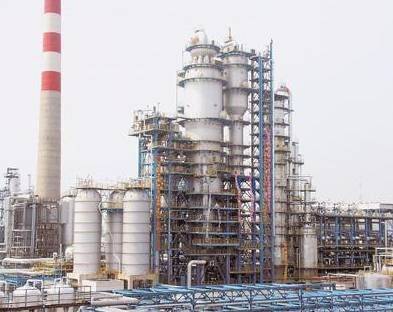
The heating furnaces typically consist of five components: a radiation room, a convection room, a residual thermal recovery system, a burner and a ventilation system. The structure typically includes steel structures, stoves, stove walls (burner liners), burners, and perforated accessories。
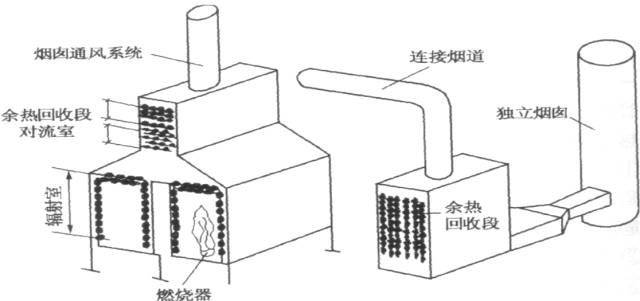
Composition of the heating furnace
Radiation room
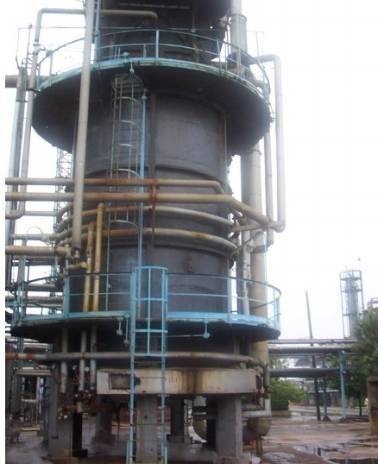
The radiology room is the main site for heat exchange in heating furnaces, with approximately 70-80 per cent of the heat load in the furnace. Hydrocarbon vapour transformation furnaces, ethylene fission furnaces and cracking processes are all carried out by radiation chambers。
The stoves in the radiation chamber are used to heat them through flames or high-temperature fumes, mainly in the form of radiation heat, and are therefore known as radiation tubes. It is washed directly by fire radiation at high temperatures, and its materials are subject to sufficient high temperature intensity and high temperature chemical stability。
Convection room
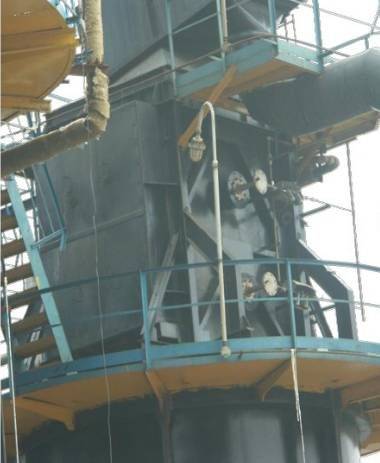
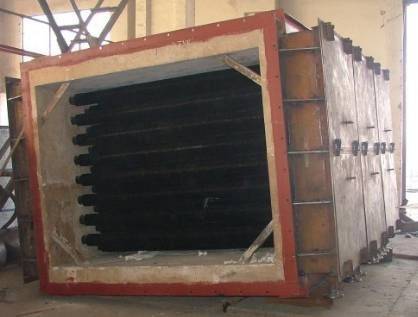
The convection chamber is used to heat the materials by transheating them with high-temperature smoke from the radiation chamber. The flue gas washes the pipe walls at a high rate and is effectively trans-heating, with a heat load of about 20-30 per cent of the total furnace. The convection rooms are generally placed above the radiation chamber, some on the ground alone. In order to improve the heat flow effect, caustoms or fin tubes are used more often。
Residual thermal recovery system
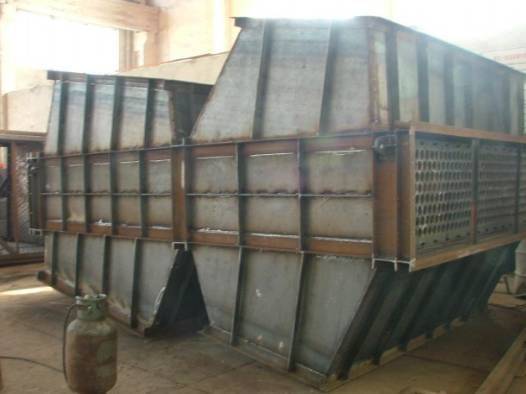
Figure air preheater module
The after-heat recovery system is used to recover the smoke from the furnace. There are two types of recovery methods: one by pre-heat burning air, which returns the recovered heat back to the furnace; and the other by using separate recovery systems to recover the heat. The former is referred to as air preheating, while the latter is commonly referred to as waste hot boilers。
Air preheating takes the form of fixed pipe air preheaters installed directly above the convection chamber, and tube air preheaters placed separately on the ground。
At present, over-heat recovery systems in stoves are mostly air-pre-heated, with only high-temperature piped stoves (hydrocarbon vapour transformers, ethylene crack furnaces) and pure-irradiation furnaces using extra-heated boilers, with high-temperature piped stoves with higher smoke discharge temperatures and residual heat recovery systems, resulting in overall stove efficiency of 88-90 per cent。
Burner
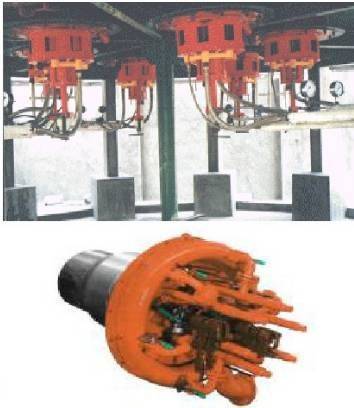
The role of the burner is to complete the combustion of fuel and provide heat for thermal exchange. The burner consists of three components: a fuel nozzle, a wind dispenser and a burner. The burner can be classified as a fuel burner, a gas burner and an oil-gas combined burner, depending on the fuel used. The burner performance is good and bad, which directly affects the quality of the combustion and the heat efficiency of the stove. Special attention should be paid to keeping the flame straight and strong, adjusting the mouth to keep the furnace as hot as possible, avoiding the fire licking tube and achieving low oxygen combustion. Reliable fuel supply systems and good air pre-heat systems are also required to ensure the quality and thermal efficiency of combustion。
Ventilation system
The function of the ventilation system is to bring the combustion into the burner and the smoke out of the stove. It is divided into natural and compulsory ventilation. The former relies on the chimney itself, while the latter uses wind machines。
In the past, the vast majority of stoves were naturally ventilated and chimneys were usually installed on top of the stove. In recent years, the use of forced ventilation has become more widespread with the complexity of the stove's structure, increased resistance on the side of the stove and the need to increase the heat efficiency of the stove。
Warms, walls, tubes and steel structures
The chamber and the wall
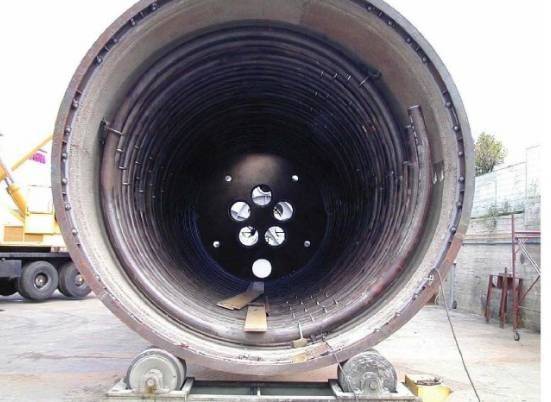
The furnace is surrounded by the walls, roofs and bottoms of the furnace and is a place where the substance is heated. The stove walls, roofs and bottoms are commonly referred to as stove linings, which are one of the key technical conditions of the furnaces. In the course of the operation of the heating furnace, it is required not only that the lining be able to maintain sufficient strength and stability under high temperature and load conditions, that the lining be resistant to flue gas wash and erosion, but also that there be sufficient heat insulation to keep the temperature and air density。
For this purpose, the furnace liner normally consists of several parts of the fire-resistant layer, the insulation layer, the protective layer and the steel structure. The fire-resisting layer is directly exposed to high-temperature currents and erosion inside the furnace, usually formed by various fire-resisting materials。
The insulation is usually formed by the construction, placement, filling or pasting of a variety of porous incendiary materials, the function of which is to minimize the dissipation loss of the furnace liner and to improve on-site operating conditions。
The protective layer usually uses construction bricks or steel plates, which function to maintain the air density of the furnace liner and to protect the insulation layer formed by the pyrotonic materials from damage。
Pipes
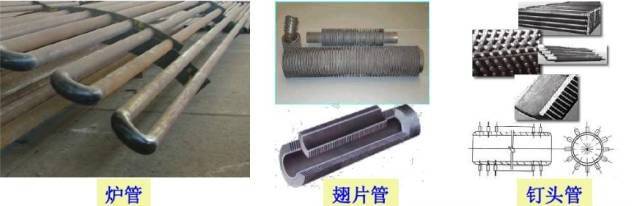
A piped stove is the medium for material intake of heat. Depending on the mode of heat exposure, it can be divided into a radioactive furnace tube, which is located in a radiation chamber, and a convection tube. In order to enhance heat transmission, the piping and plumbing walls often use wings or nails, which are more horizontally installed。
Steel structure
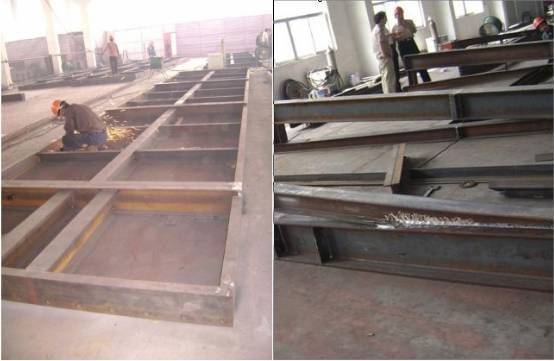
The steel structure is a welded and assembled frame of steel at the outermost level of the furnace. Its function is to bear the burden of the furnace liner, the combustion facility, the detection instrument, the furnace door, the pre-firing pipe and the loads created by the overhaul, the operator and the installation framework of the facility。
The steel structure is the bearing skeleton of a piped furnace. Other components of the piped furnace are attached to the steel structure, the basic elements of which are various types of steel, forming the skeleton of the piped furnace by welding or bolting. Old piped stoves, such as box furnaces, tilted stoves, etc., have a smaller share of the steel structure than the entire piped stove, and a growing proportion of the near-dependant furnaces have a steel structure。
Classification of the heater
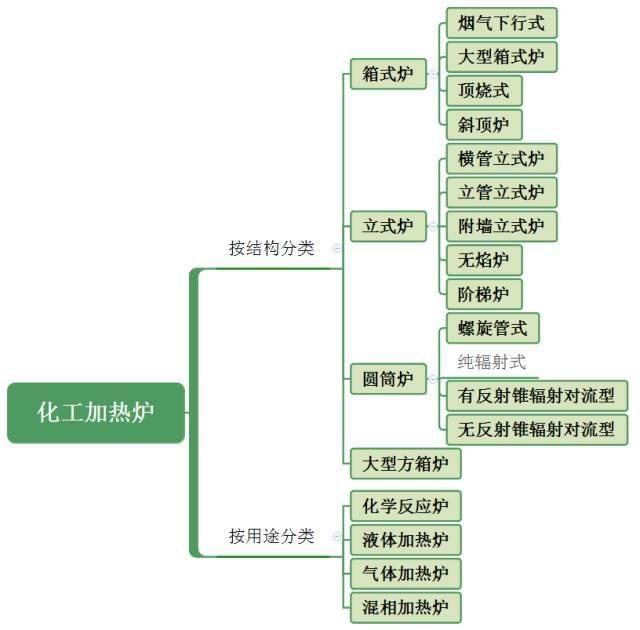
Boxer stove
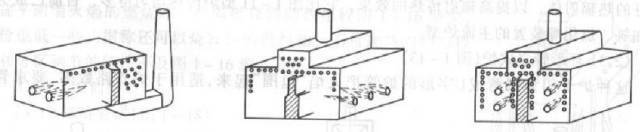
Boxer stoves have a long history of applying earlier stoves. It is long, wide and approximately close, the radiation room and the convection room are separated by a firewall, the mouth of the fire is mounted on the side wall, the chimney is located outside the furnace and the tubes are organized horizontally。
A standing stove
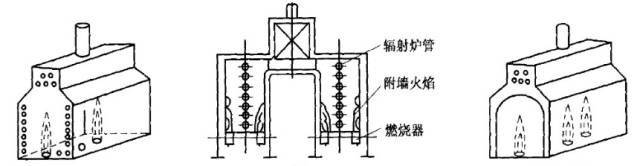
The furnace is rectangular, the radiation tube is lined up on both sides of the furnace, the convection tube is lined up in the upper chamber of the radiation chamber, there are two rows of fire mouths at the bottom of the furnace, a flower wall is placed in the middle of the furnace, and the nozzles burn on both sides of the flower wall。
Cylinder
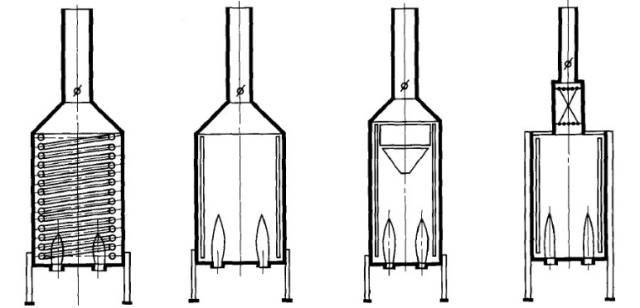
Cylinder furnaces are similar to stand-alone furnaces, square convection rooms are located in the upper chamber of radiation, chimneys are installed in the upper chamber of the convection and are equipped with a smokescreen that regulates the volume of wind, the mouth of fire is in the middle of the bottom of the furnace and flames are sprayed upwards. Unlike stand-alone furnaces, the radiology chamber is a cylinder, the radiation tube is arranged vertically along the circle, and the trachea is divided into two layers。
Large square furnace
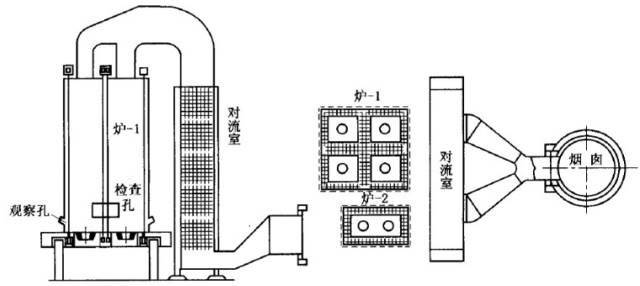
The furnace is divided into small chambers with two cavities, each with one or two large-capacity high-capacity burners. Segregation can proceed in two directions, known as the “cross-the-cross” separation method. It usually places the convection room on the ground alone. A few stoves were also brought together with a flue pipe and sent into a common convection room or a waste heat boiler. The stove is simple in structure, saves land, allows for the recovery of excess heat, allows for the concentration of smoke in the clusters and reduces atmospheric pollution. It was developed for super-heaters。