


In the area of ship-fired electricity, one technical difficulty has been plaguing many operators: why does the technology become the core threshold during the conversion of the ship-based variable-frequency power source (vfr) technology from 3x440 v 60hz to 3x380 v 50hz and 2x20 v 50hz? Many wrongly assume that the “triple-rotation single-stage” is a simple split, but it is not. Each step is a test of technological strength, from voltage to frequency, from steady pressure to steady frequency, and today breaks down the hard points and key logic, with no sensitive content at all, for industry to share。
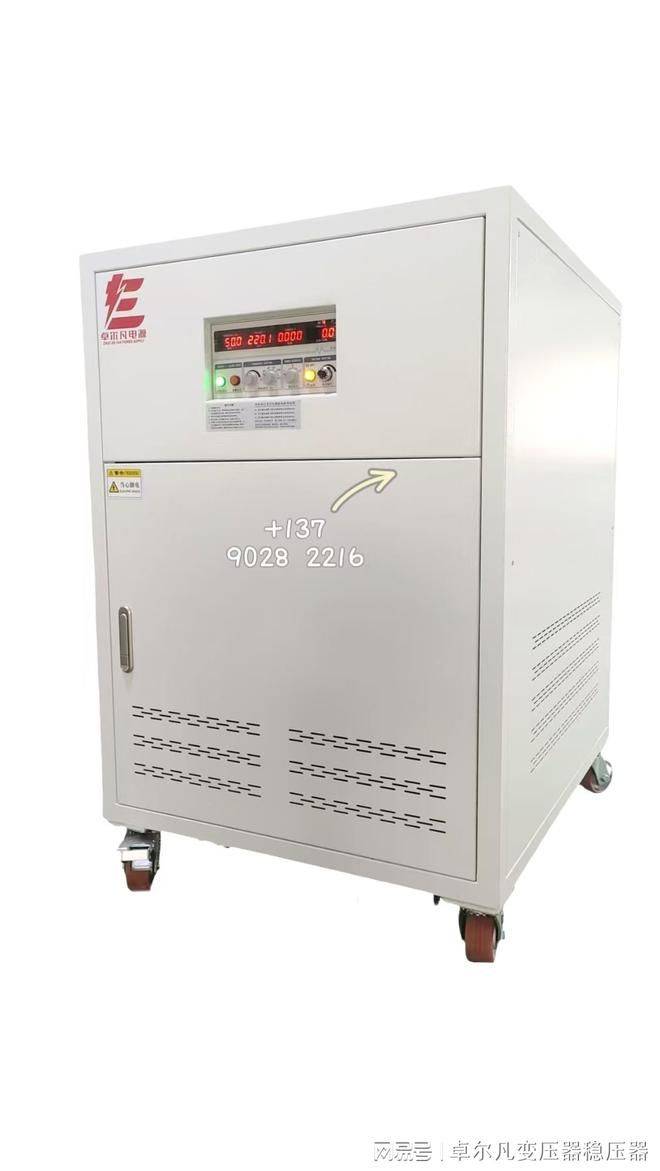
First of all, it is essential to identify a central premise: the uniqueness of the ship's power supply landscape, whether it be the original 440 v 60 hz, 220 v 60 hz single, or 3 380 v 50 hz single, 220 v 50 hz single from 60 hz to 50 hz suitable for offshore power and equipment, not only the frequency of which will have to be reduced to 50 hz, but also the simultaneous matching of voltage, and, more crucially, the stabilization of the “triple-sing single-phase” phase, which will meet the loads of the three-phase power units, as well as of single-phase lighting, precision meters and so on, which is the central difficulty of the technology for separation。
Core dilemmas of separate technologies: balance and stability
Many have confused the distinction between “triple-rotation single-phase transformers” and “ship-frequency fractions”: ordinary three-rotation single-phase transformers, which can only achieve simple voltage conversions, fail to balance the frequency, and are less likely to guarantee the stability of the after-phased voltage and frequency, while ship-based spectrometry with variable-frequency power requires three core dilemmas that are far more difficult than normal transformers。
Hard one: load balance control. The three phase loads on a ship (e. G. Power generators) and the single phase load (e. G. Lighting, instrumentation) often work simultaneously, with each phase being carefully distributed to avoid overloading or emptying of a phase, which otherwise leads to voltage fluctuations, unusual operation of the equipment or even damage to the frequency module. This requires that the sub-phase circuits have the capability to detect and regulate intelligently, adapt to load changes in real time, and ensure a balance of three-phase currents and stability of single-phase voltage。
Harder two: the frequency is the same step. The conversion of 60 hz work frequency to 50 hz before the conversion of the two processes must be synchronized and, if there is a time-series deviation, result in an output wave-form abnormality that affects the proper functioning of the equipment. Especially from 440 v 60hz, 220 v 60hz, 380 v, 220 v 50 hz when double output occurs, the symmetrical logic is linked to the variable frequency logic with extremely low error tolerance。
Ii. Substrate support from pressure to frequency, from pressure to frequency: phase technology
The symmetrical technology of a ship's variant frequency power is not isolated, but is based on the integration of `variable-variable frequency-stable pressure-stable frequency', where the four main chains are rounded together to support the stability of the symmetry。
Step one: change pressure. The three-phase 440 v 60hz, single-phase 220v 60hz, is first converted to a smooth and straight current, with initial pressure relief being completed to prepare for subsequent frequency and segmentation and to avoid disequilibrium resulting from the difference in voltage。
Step two: change frequency precision control. By using the igbt smart module, direct current reverses are converted to 50 hz industrial frequency communication power, in the process of synchronized adjustment of the electric voltage parameters - three-phase voltage from 440 v to 380 v steady, single-phase voltage is maintained at 220 v stable, ensuring that the voltage of the modified frequency is accurate and provides a stable electrical base for the fraction。
Step three: smart symmetry and steady pressure frequency. The 50 hz-interchanges processed are precisely divided into 3x380 v and 1+220 v output, with a solid-pressure frequency module, real-time filtering of voltage fluctuations, frequency drifting, which, regardless of how the load changes, ensures that the sequences are stabilized within the standard range, avoiding problems such as cartons and burning equipment。
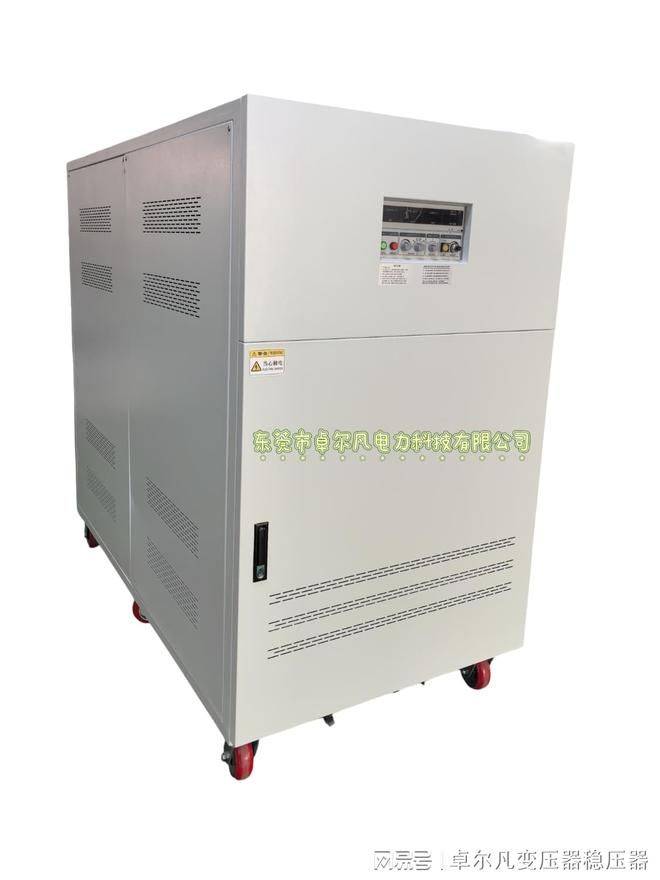
Iii. Why is it more difficult for ships to use split technology? Matching is the key
Unlike the landscape of terrestrial power supply, when ships sail or land, the electricity supply environment is complex, with the potential for coastal voltage fluctuations, load mutations, etc., requiring greater intervention resistance and adaptability of the separation technology. The general segmentation programme is unable to cope with complex ship scenarios and is prone to disequilibrium and frequency instability, while the specialization technology of the variable frequency power source for ships is subject to rigorous scene testing to ensure that stable symmetrical and precise conversion can still be achieved under complex conditions。
In sum, the separation technology of the ship's variable frequency power sources makes it difficult to “balance” and “synchronize”, to stabilize in a complex scenario, and not simply to divide or transform. The conversion of 3x4v 60hz, 2°v 60hz to 3°380v, 2°v 50hz requires a mature technological support at each step, which is also central to the competitiveness of high-quality marine variant power sources



