Introduction: "life" when steel collids with code
Early in the morning, the mechanical arm of the factory was assembled precisely; in the hospital, the surgical robot auxiliary doctor performed microstarting; and in the home, the ground sweeper was flexible in avoiding the barrier... How can these perceived, thought-provoking, actionable “steel partners” move from a drawing to a reality? Today, we decode the robot's birth code。
I. Hardware: "bones" and "muscular" - physical body hulls
The robot's body is the foundation of everything, just as human bones and muscles determine what it can do and what it does。
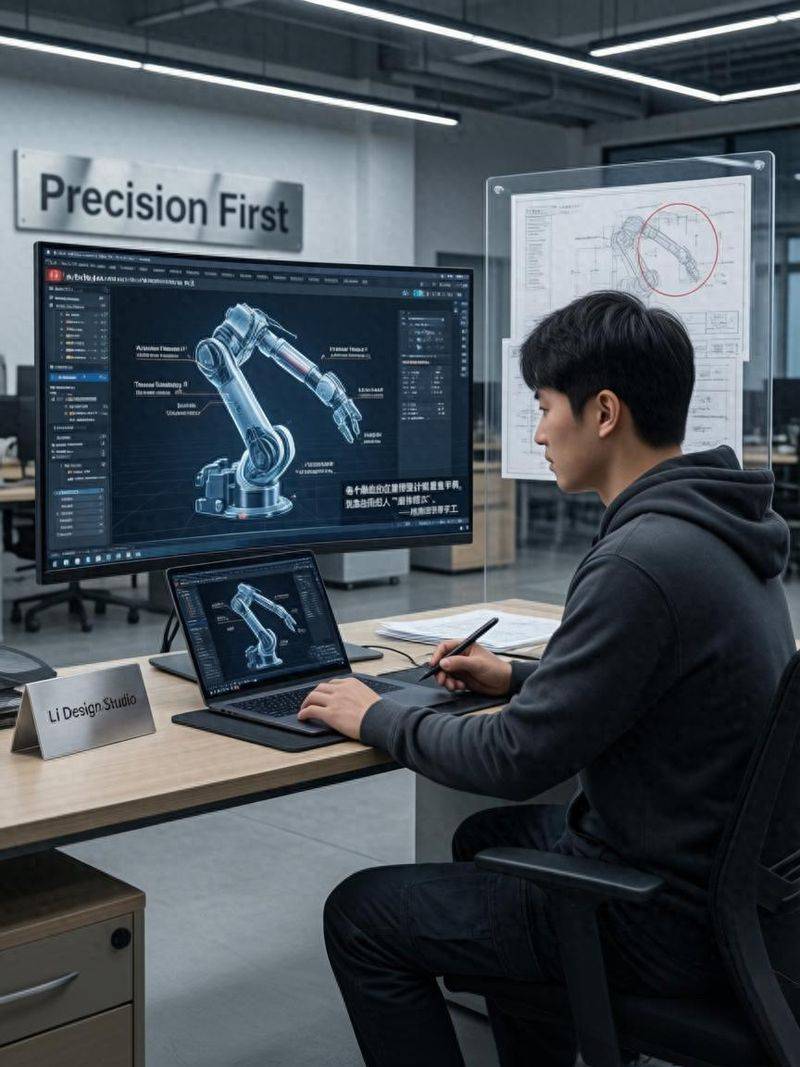
Structure design: plan the "bones" like building blocks
The engineer first drew a three-dimensional model of a robot using cad software: how do you turn the joint? How long is your arm? For example, industrial mechanical arms require 360° rotation and multi-axis interconnectivity structures are designed; service robots have to compress their body size to move in narrow space。
Core component: power and sensory "heart"
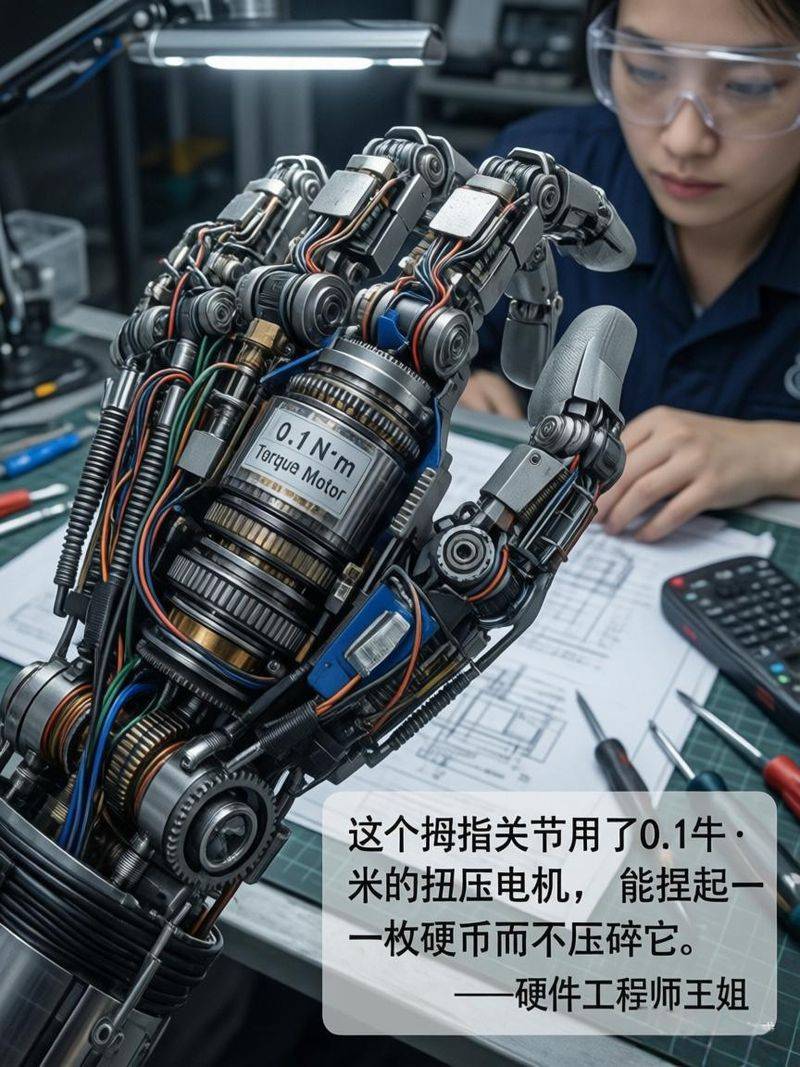
Driving systems: electrics (serving generators, step-up machines) provide power, and speed-retarders (e. G., wave-retarders) make actions more accurate. Human robots, for example, may have three mini-electrics per finger to achieve grip control。
Sensors: is equivalent to the "five senses" of robots. Laser radars (lidar) measure distance, cameras “see” the environment, force sensor sensor sensor sensorial pressure (e. G., automatic stoppage of blood vessels in surgical robots), and imu (inertial measurement unit) maintain balance。
Executors: translating telecommunications signals into actions such as hydraulic poles driving the excavator's large arm, and aerodynamics allowing molluscs to “twig”。
3. Material selection: the art of tenderness
Industrial robots use high-intensity aluminium alloy to resist shocks, medical robots select titanium alloy for corrosion, and mollusc robots simulate biological tissues with silicon. And even some robots have surfaces covered with bioskines that touch like human skin。
Software: “brain” and “neuro” - the birth of smart decision-making
If hardware is a robot's “body”, software is its “soul” — it “understands the world, learns to do things, remembers” experience。
Control systems: robotic “brain”
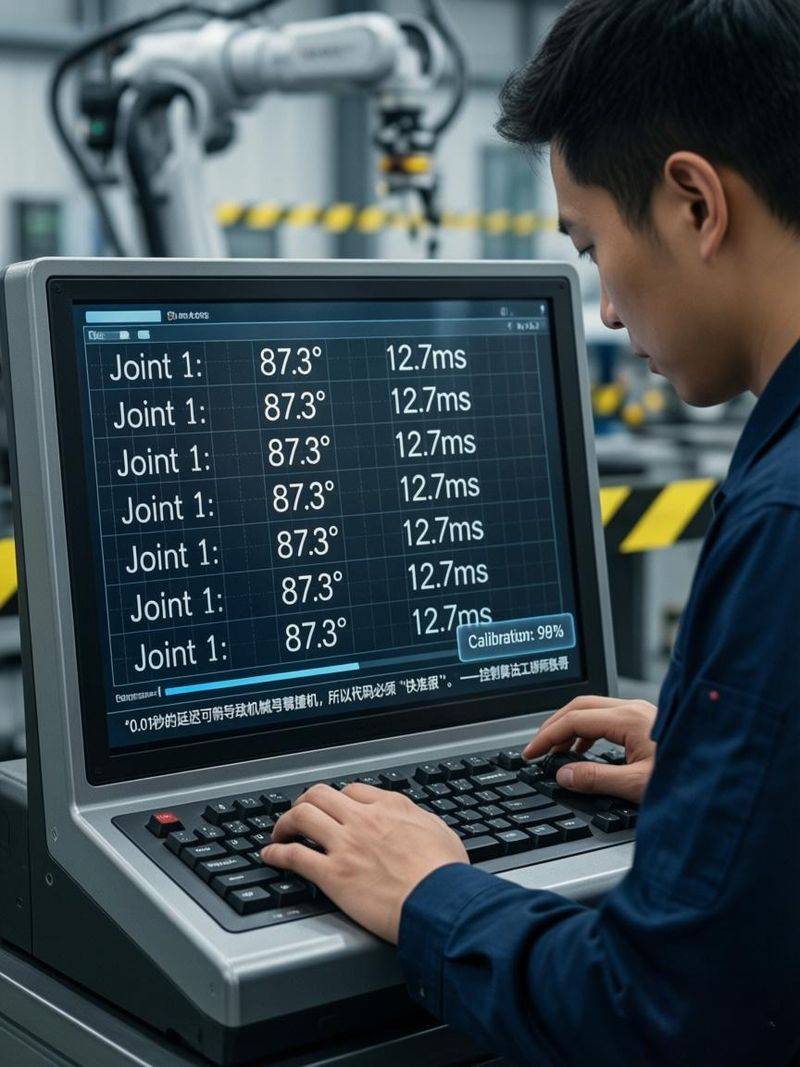
Underlying controllers (e. G. Plc, single machine) are responsible for real-time movement: upon receipt of instructions, calculate the degree of turnover and the speed at which the motor turns. Just like when driving, the brain decides to turn left, and the small brain precisely controls the directional angle and speed。
Perceptions and decision-making: the “brain cortex” of robots
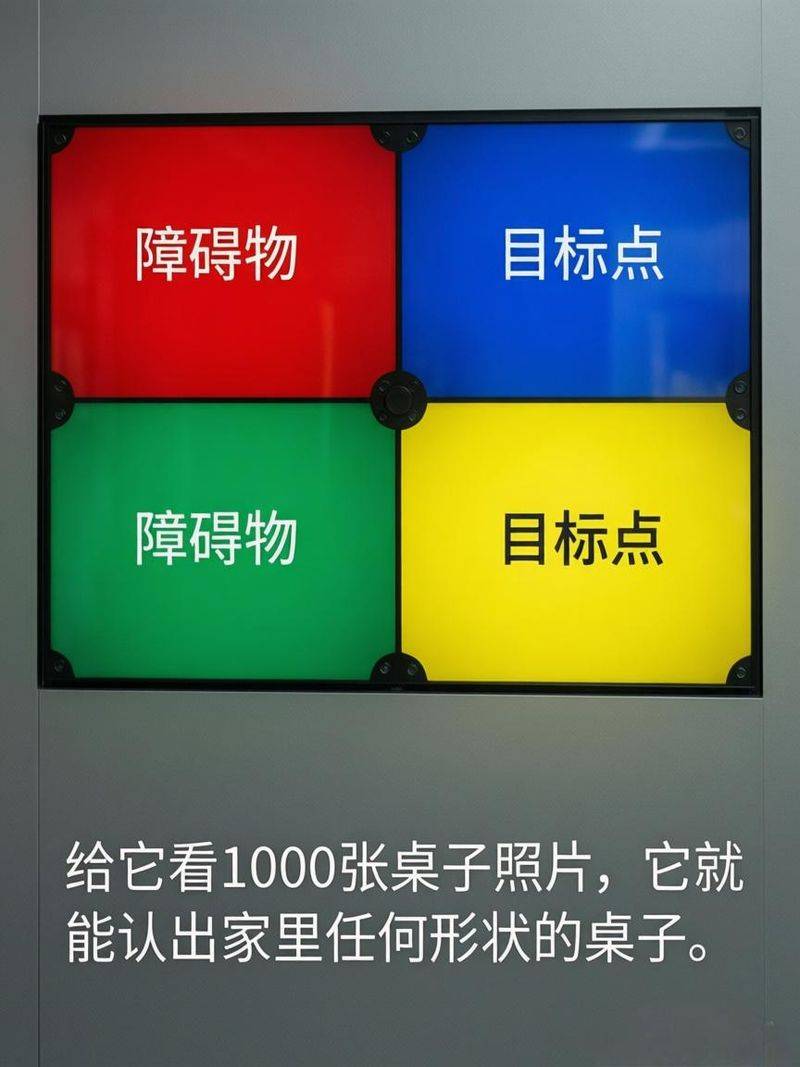
Environmental perceptions: through slam (synchronous positioning and map construction) technology, robots move side-by-side to draw “maps” (e. G. Ground sweep robots build home-level plans); in combination with ai visual recognition (e. G. The yolo algorithm), distinguish “show legs” from “wire”。
Path planning: a* algorithms look for the shortest path in case of a barrier, and intensive learning allows robots to “try wrong” and then get smarter (e. G. Warehouse agv cars learn to avoid peaks)。
Human interaction: making robots “understand”
Voice recognition (e. G., the science and telecommunications engine), and natural language processing (nlp) allow robotics to talk, and hand recognition modules respond to wavers and nods. Advanced robots can also express their emotions through face screens (e. G. Frowning icons when logistics robots are angry)。
Integration and testing: from “parts” to “partners” change
Hardware and software are well developed and need to be integrated and practiced in order to become reliable partners。
System connectivity: synchronization of the “hand brain”
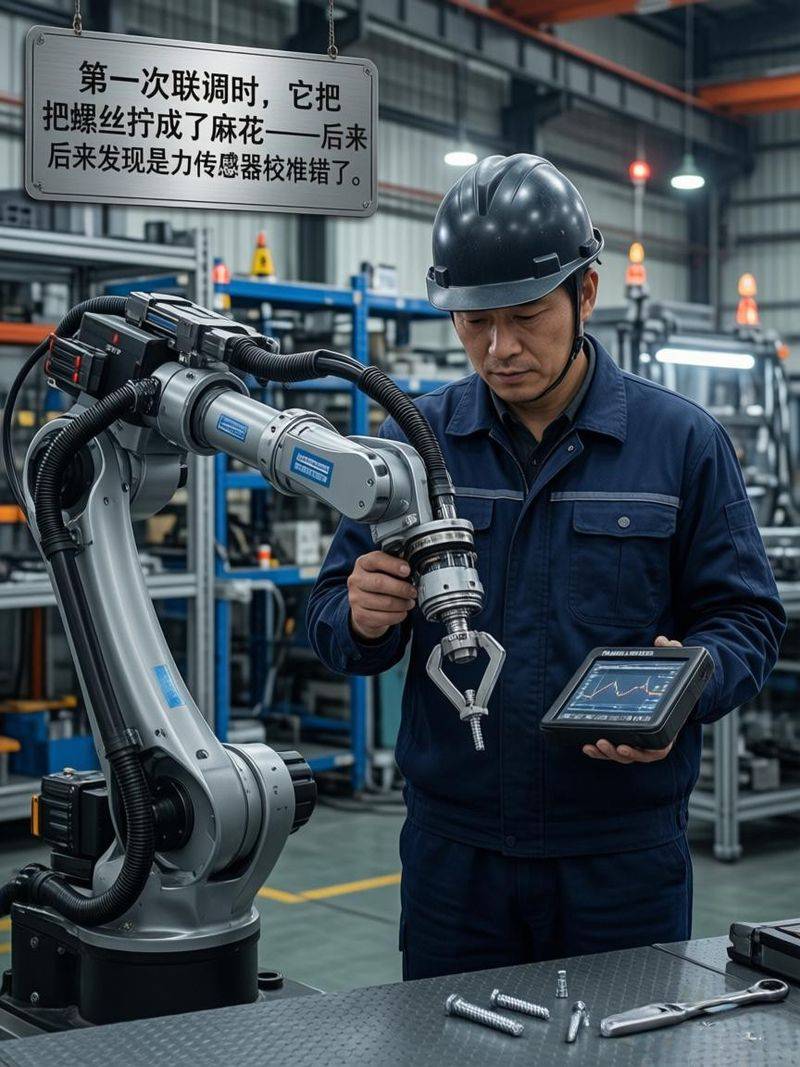
Connect mechanical arms, sensors, controllers into the same network to test consistency of "see-think-move". For example, a mechanical arm should be packed for the parts to be verified at the same time: the camera can see whether the location of the parts is calculated by calculator to calculate whether the grab point is rotated as directed。
Maximum tests: simulation of the “test” of the real world
Reliability tests: 500 hours of uninterrupted work, functioning at high temperatures (50°c), low temperatures (20°c)。
Safety test: whether the collision detection function can be stopped in 0. 1 seconds when activated; and whether a person who has been in a sudden break-in is willing to give up。
The scenes fit: agricultural robots do not slide in the mud and the batteries overheat when the robot climbs the slope。
Evolution: from “tools” to the future of “partners”
Today's robots continue to evolve:
Self-learning: reduced programming costs through imitation of learning (reading human-operated videos) and migration of learning (using factory skills to home scenes)。
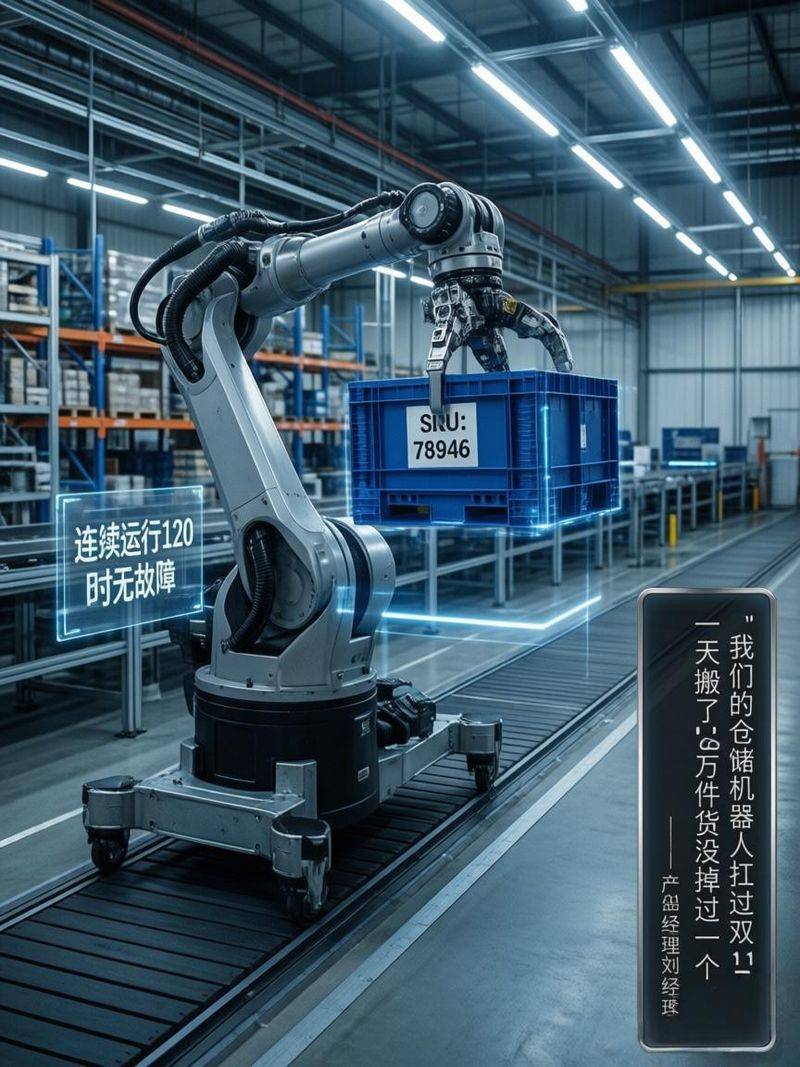
Group collaboration: multiple robot teams work, such as logistics warehouses, agv cars automatically assigned tasks, as efficient as ant movers。
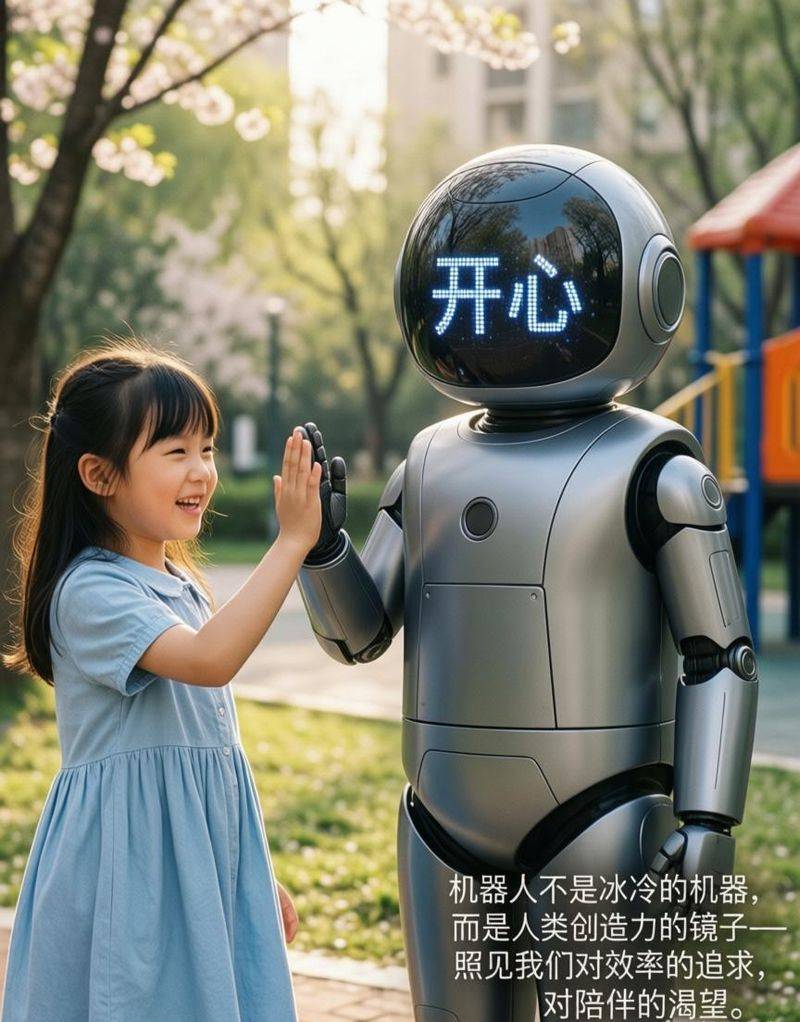
Emotional interaction: adding touch feedback (simulating body temperature during hugs), emotional recognition (judging the mood of the user by tone) becomes a true “accompaniment”。
The conclusion: the robot's "composed" is an extension of human intelligence
From a metal to a partner who can jump, robots' “composed” condensate multidisciplinary wisdom in machinery, electronics, computers, materials, etc. It is not only a tool, but also a human exploration of the unknown, freeing of the “skeletal bones”. In the future, with the development of ai and biomimicry, perhaps we will see more “temperature” robots going into every corner of life。
What do you want the future robot to do for you? Let's talk in the comment section