Since the beginning of this year, the organizational department of the hebei daily newspaper (communicator liu yadong and hu donghu) has conducted a thorough analysis of the changing educational and training needs of the cadres. It has targeted the training and training needs of the cadres in areas where the new situation and new requirements are not appropriate, and has established a regular system for more open, innovative and diverse training models and more sophisticated management methods, with a view to creating a highly qualified cadre。
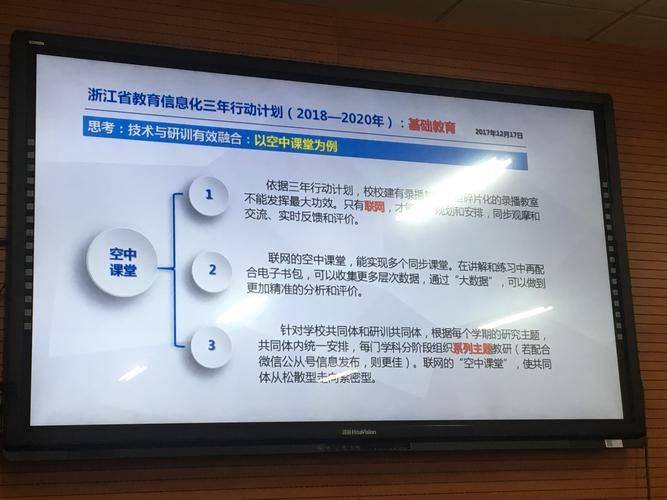
Through the “friday of learning” and the “one school a day” campaign, the cao chou district has introduced a “debrisification” learning model, conducted a theoretical learning micro-sensitization programme and held a competition for learning from the powerful countries. Using the “two-person-to-one” function of the learning power app, a knowledge contest is organized at the end of each month, offering incentives to the first three cadres, which has greatly enhanced their motivation in learning。
With regard to the training of cadres in the context of the new mandate, the organizational department of the côte d ' ivoire district council has developed an annual training programme based on the need-for-training concept. On this basis, a wide range of recommendations have been sought from the target groups, training institutions and teachers, with a view to identifying qualified candidates, selecting courses with precision and tailoring education and training。
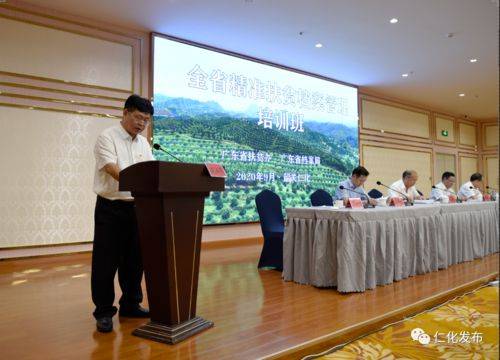
With a view to strengthening the capacity of teachers in the training of cadres, the organizational department of the chongqing district council has set up a pool of trainers in the training of cadres in the chongqing district, bringing into the pool more than 70 cadres, in both active and retired positions, from agencies, departments and district-owned enterprises throughout the region. At the same time, efforts have been made to consolidate resources for training courses for cadres and to establish mechanisms for sharing them. The units leave video materials during training courses for cadres, especially for external staff, with highly specialized content being replicated within the system and political theoretical content being shared across the region。