Introduction to knowledge systems
A knowledge system is not a simple collection of knowledge points, but a system that consists of a hierarchy of knowledge structures, internalized models of knowledge, linkages, logical layers of subject matter, input processing, output applications, validation of practice, retrofitting, etc。
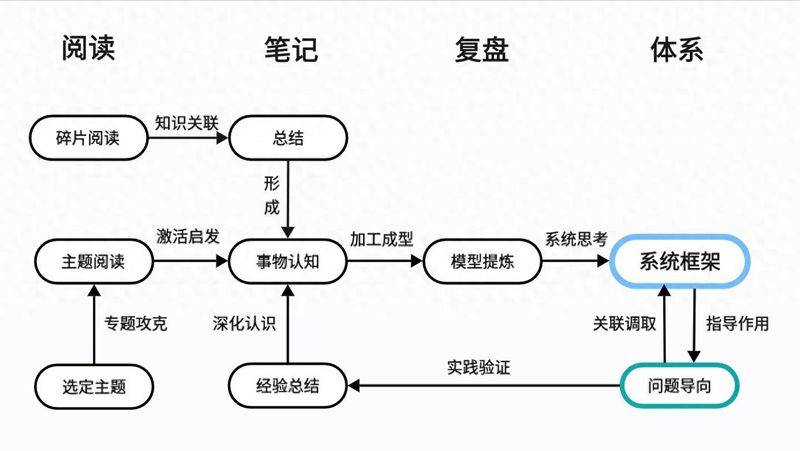
In this continuous process of refinement and evolution, there are two key principles: first principle and problem orientation, which play a crucial role。
1. The first principle
The first principle is the most basic proposition or hypothesis, which forms the basis of a system or field and is the starting point for subsequent reasoning and reasoning. In short, it's the first and absolutely right proposition。

Using the first principle as the basis for building a knowledge system, emphasis is placed on building an entire knowledge system through logic and reasoning based on the most fundamental and central propositions or assumptions. This approach helps to ensure the stability and consistency of knowledge systems, as it avoids extrapolation based on errors or assumptions. At the same time, the first principle is appropriate for in-depth reflection on the nature and intrinsic links of things, so as to identify new patterns and opportunities。
In the construction of knowledge systems, adherence to the first principle implies a constant focus on the most fundamental and core concepts and principles, and building on them to expand and deepen knowledge. This requires us to constantly ask “why” in our learning process and to try to reveal the underlying causes and mechanisms of the phenomenon。
2. Problem orientation
Problem orientation is another important principle in the construction of knowledge systems. It emphasizes the use of practical issues as a starting point and a foothold to facilitate the learning and application of knowledge by addressing them. This approach helps to make knowledge systems more relevant, relevant and practical。
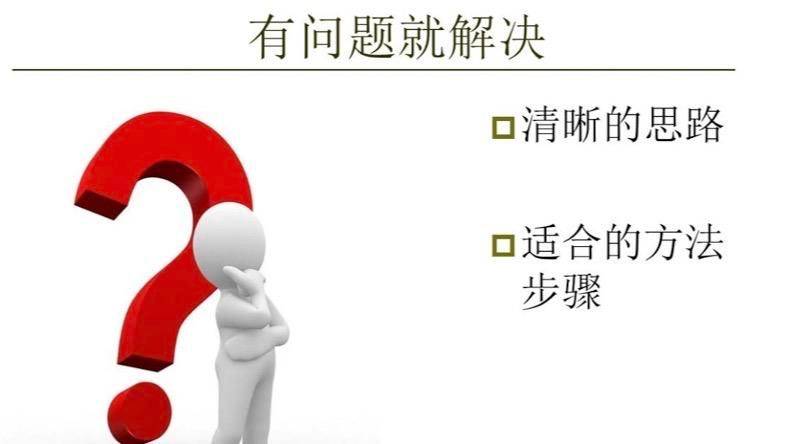
In building knowledge systems, problem orientation requires that we remain sensitive and sensitive to practical issues. We need to constantly identify problems in practice, ask questions and try to use knowledge systems to solve problems, a process of validation of knowledge systems. Through this process, we can not only deepen our understanding and grasp of knowledge, but also identify gaps and weaknesses in the knowledge system, which can be supplemented and refined in a targeted manner。
3. The combination of the first principle and problem orientation
The first rationale and problem orientation are complementary and mutually reinforcing in the process of building knowledge systems. The first principle provides us with a solid foundation and intrinsic logic of a knowledge system, while problem orientation provides us with a practical landscape and a source of power for the application of knowledge. Only by combining the two can we build a solid and functional knowledge system。
In short, in building the knowledge system, we can define the basic framework and the core concepts of the knowledge system through the first principle; then we can further expand and deepen the knowledge system by combining practical issues and continuously refine and modify the knowledge system through validation and re-engineering. In this way, we can evolve into a structured, logical, subject-oriented and hands-on knowledge system。
The process of building knowledge systems
The first building of a knowledge system begins with the first principle, which begins with the first principle, which provides a solid knowledge base, ensures that all learning is rooted and provides a solid foundation for subsequent construction。
1. Knowledge input
There are a number of methods for entering knowledge, mainly reading as input, and two methods of reading, one for debris reading and the other for subject reading. Debris reading is mainly used for inspiration, card-based accumulation of knowledge points, and subject reading is used to deepen knowledge systems。

• debris reading
During debris reading, it is advisable to select a few good books (e-books) or to focus on a few high-quality public signs, blogs, based on their interest or professional needs. Before each reading, a small goal is set, such as understanding a concept, remembering a golden sentence and making each page open with a sense of purpose. When reading, you can always record your awareness, questions or key information using tools such as mobile phone signers, reading notes and apps (the app with card features is recommended, which applies to the records of the fragmentation knowledge points)。
• thematic reading
True knowledge often requires us to sink and read through the theme to dig deep. Select a theme you are interested in or need to learn more about, and then read widely about it in books, articles, studies. Such a process, like building a building of knowledge, where each brick is closely connected, leads to a solid and vast knowledge system。
In the process of reading, it is advisable to break the knowledge points, to see the essence and extract the views, and to find practical examples to deepen understanding. This process involves thinking about the knowledge points, analysing the relationship between the old and the new knowledge points, linking them, activating inspiration, extending new insights, reproducing the knowledge points in their own language, and recording points of connection, ideas and building up the knowledge points of knowledge。
2. Modelling knowledge points
Extensive learning, continuous accumulation of knowledge points, translation of fragmented information into refined knowledge points through in-depth thinking and refining, and modelling storage, i. E. The construction of logical, structured model frameworks that facilitate rapid retrieval and understanding. The model corresponds to the title and the knowledge point corresponds to the model's interpretation. The model word count recommends four words, not more than seven, to facilitate memory。
3. Layer-based linkages to enhance immediate response capacity
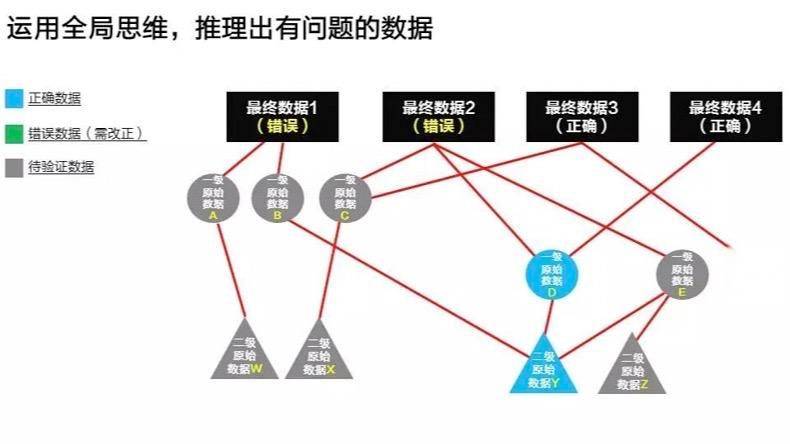
As the number of models increases, it is necessary to think holistically, look at the hierarchy of logic, organize and adjust the hierarchy, clarify the inter-model linkages and hierarchy, and form an initial knowledge network framework. Deepening the architecture of knowledge systems, deepening understanding and facilitating immediate response capacity to analyse things。
4. Field inspection
The strength and weakness of learning is ultimately reflected in its application. The adequacy and effectiveness of knowledge systems are tested through practical solutions. The ability to rapidly connect relevant knowledge points, the flow of information and the flexibility of its application are key indicators of the success of knowledge systems. This practice has not only improved the framework of the knowledge system, but the once fragmented points of knowledge have been implicitly internalized for your abilities。
5. Continuous replication optimization
Refinement of knowledge systems based on application feedback, continuous adaptation to optimize knowledge systems, supplementing new knowledge, correcting misconceptions and ensuring timeliness and applicability of knowledge systems. The process of continuous repetition and optimization not only improves knowledge systems, but also helps to improve the efficiency and accuracy of information processing and enhances our decision-making capacity in complex situations。
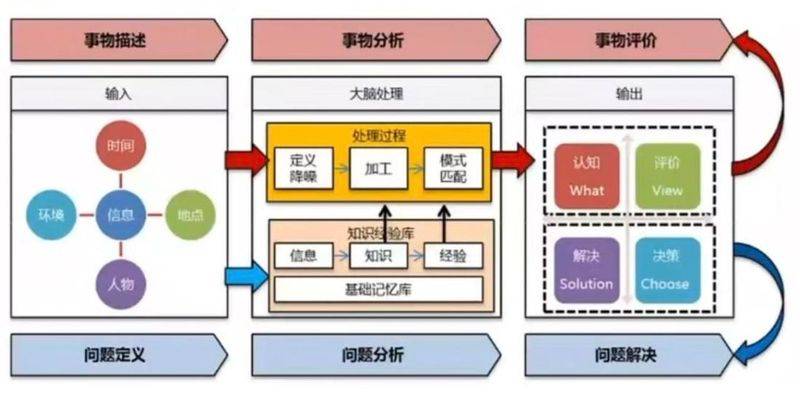
Summary: the knowledge system framework is designed to be applied. With a framework of knowledge systems, you can apply to your work and your life. In case of problems, the knowledge system framework serves as a guide, and naturally comes to mind the structure of the knowledge system, searching for relevant knowledge points by level until they are found. Knowledge systems may have solutions to relevant problems and may not be able to provide you with specific solutions, but they can guide you in the general direction of the problem and in the direction of the information, improving the efficiency of the problem. Once the problem is resolved, the knowledge system framework is refined through a reset。