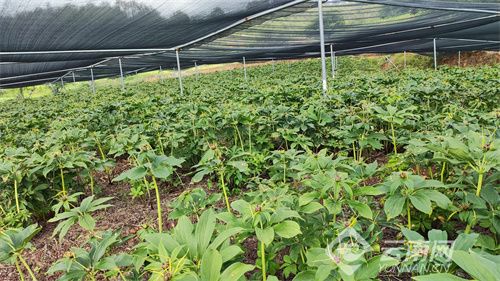
The leaf, by definition, is the leaf of the leaf, which originates from the dry leaf of the plant. The chinese doctor considers the accelerosis, cough control, vomiting, flu prevention and accelerosis to be among the most common medicines in the population, which can be picked in four seasons and cultivated in most parts of the country. The following is a brief introduction to the management of the leaf。
I. Selection of park
1. Topography
The most suitable planting sites are on the slopes and flats, but as close as possible to the river, water is the best, and natural water resources play a very large role in their irrigation and do not choose to grow in places such as windways and basins。
2. Monopoly phenomena
It is very taboo to sit-in places, where few, if any, of the fertile areas that have been planted for several years or more have been almost exhausted, and where there are many adverse factors such as pests and disease-causing bacteria, and where there are many excreta in the soil, which are harmful substances, the effects of which are considerable if new trees continue to be planted。
Soil management
1. Deep turn green
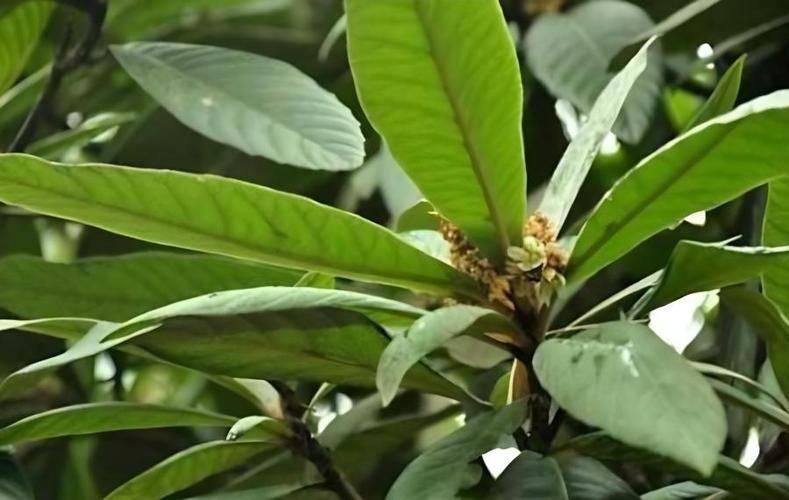
Green fertilizers are applied to newly cultivated land and are cultivated to fertilize the soil, increase soil nutrients and make the soil more organic。
2. Fertilisation
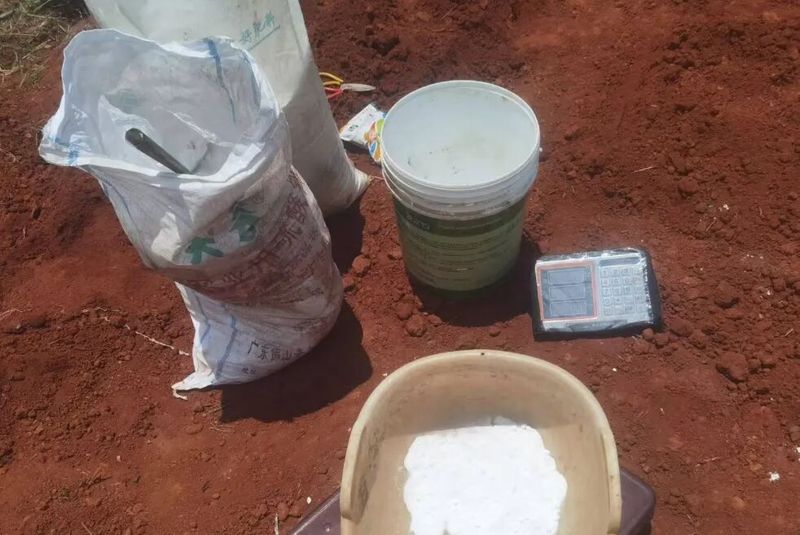
Fertilizers can be applied to young trees, which are sprayed with 10 to 30 per cent of the rotting man's urine, and can be applied once in the month of november to january of the following year, which is more effective by mixing human urine。
Iii. Intracting
1. Trees
There are many types of contours, which can be the main stem, double cups, etc., the most used double cups, specifically to trim the main stem at a distance of 50 to 60 centimetres after planting, to shorten the main stem to a certain length, the main branch of the second layer cannot overlap with the lower layer, and to select three or four long branches for focused training。
2 cuts
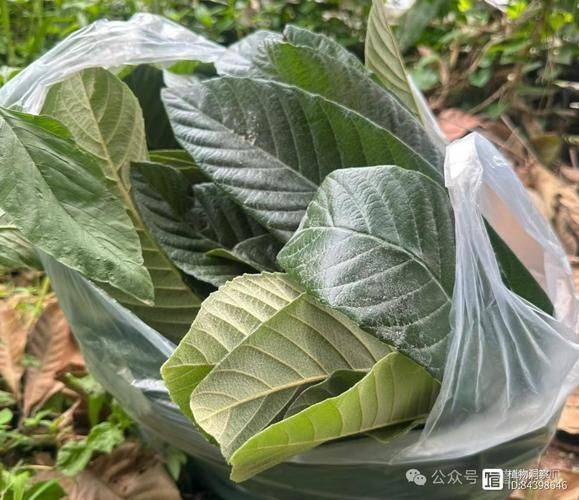
The cut is divided into two timings, first spring, then summer, in march, when the cut is only a little bit more than 10 per cent of the total number of branches, when the cut is mainly a reduction in the age of weakness and the length of the branches, and when the cut is within 20 per cent of the total。
Iv. Pest management
(i) disease control
The most common diseases are physiological diseases (predominantly sunburning, folate carnation, fibrosis, purple spots, etc.) and invasive diseases (predominantly tree-dry decomposition, muscular spots, foliage, white stripes, anthrax, etc.)。
1. Measures to prevent and treat sexually transmitted diseases
Physiological diseases can be prevented through the selection of resistant varieties, the strengthening of water fertilizer management, kits, etc. Frustration can also be followed by external fatting, such as a 0. 2% (mass fraction, later) urea, boron or potassium dihydrohydrophosphate spray and a 0. 1% ethylene spray of fruit in green
Yoshiyama
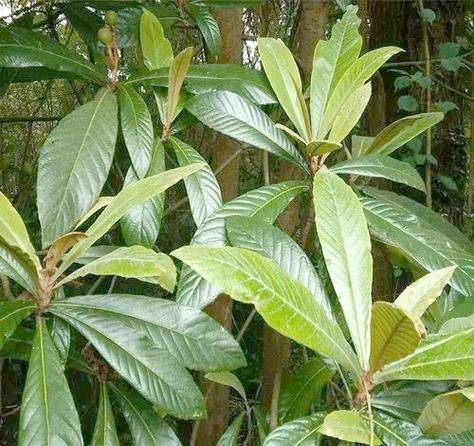
2. Main measures to combat sexually transmitted diseases
(1) strengthening water fertilisation and soil management, increasing tree position and resilience;
(2) cutting, clearing, timely cutting of leaves, shaving of skins, removal of strains and reduction of the source;
(3) to treat the disease in a timely manner. (b) the dry decomposition of the tree should be purified in a timely manner and then washed with 1 °4 pure alkaline water, then painted with bordeaux to heal the wound; pyrocolosis is administered 2-3 times as much as 70% of methyl tobuzin's 800-1,000 times liquid; folicitis is administered at 50% of polybacteria 800-1,000 times liquid; 70 per cent of methyl tobutzim per diseased tree stem is administered to combat white-coated plumes; anthrax can be treated 1,000 times as methyl tobutzim。
(ii) pest control
The main pests are yellow caterpillars, pears, canoes, leopard moths, etc. Methods of control: pesticides can be used to combat various pests, in addition to being capable of manual capture and enticing insects. In march, vermin worms were sprayed with 800-1,000 times the diarrhea; in march, pear worms were sprayed with 800-fold the diarrhea; boat caterpillars were sprayed with 80 per cent of trichlorfon 10-30-fold the trichlorfon。