Potatoes are a high-yielding and adaptable crop, and their cultivation requires some skill and methodology. The next steps in the cultivation of the potato are described in order to help the reader better understand the techniques used in its cultivation。
Site selection and soil preparation
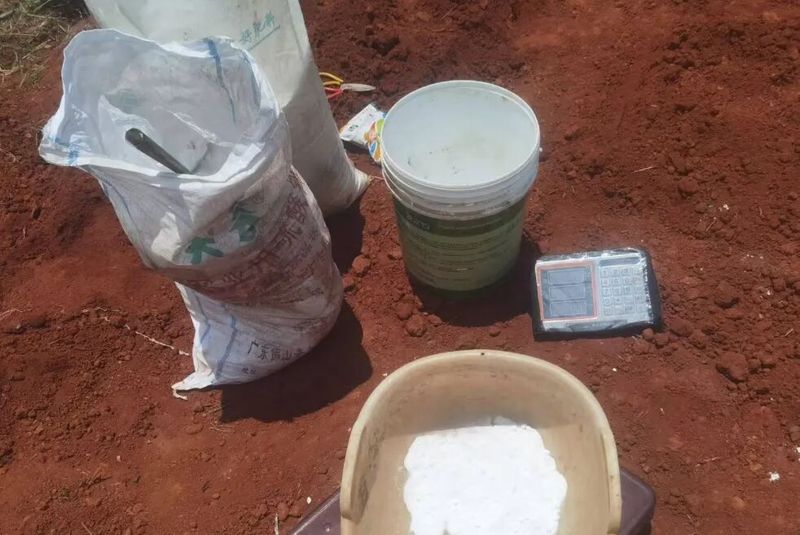
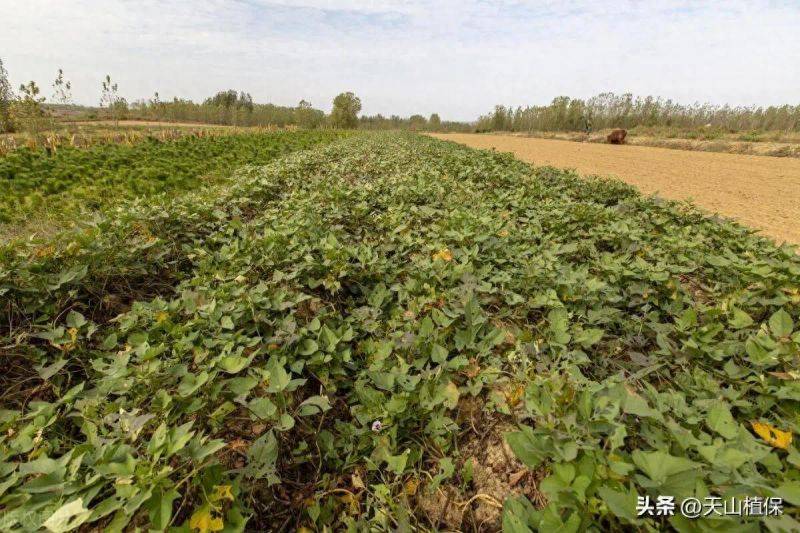
Potatoes prefer warm, wet climates, which are less demanding for soil, but are appropriate for soils that are loose, fertile and well drained. Low-lying lands, saline lands and severely infested plots should be avoided when selecting planting sites. Before planting, the soil should be ploughed deep, dredged to improve soil aerobicity and water conservation. At the same time, each acre should be applied to a total of 2,000 to 3,000 kg of decomposed organic fat and 50 kg of compound fat to provide sufficient nutrients for the growth of the potatoes。
Selection for quality seedlings
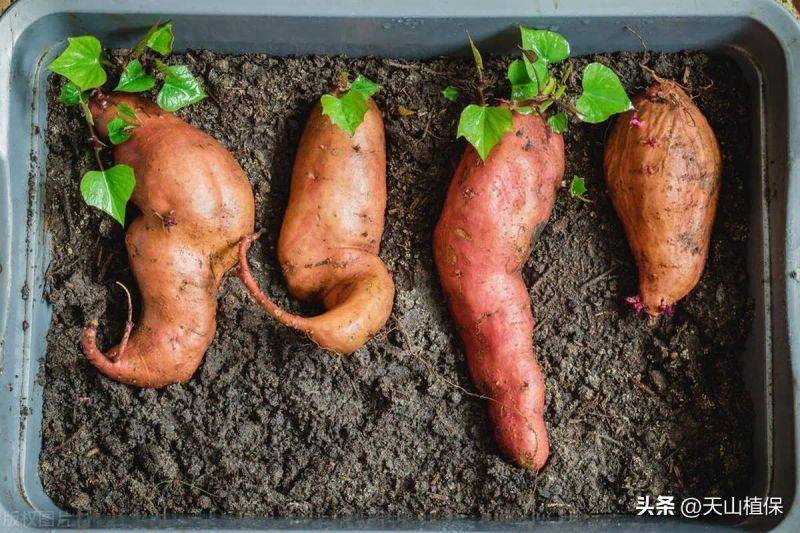
The selection of seedlings for red potatoes is key to successful cultivation. In the selection of seedlings, strong, disease-free and 2-3 sprouts should be selected. At the same time, it is necessary to ensure that seedlings are produced in a manner appropriate to the climate and soil conditions of the areas in which they are grown in order to increase the rate of survival。
Cultivation and management
1. Cultivation time: potato is usually grown in the spring and can begin to grow when local temperatures stabilize at more than 15°c. In the north, cultivation usually takes place in the second half of april to the first half of may, while in the south it can be done well in advance。
Cultivation density: the density of cultivation of potatoes should be determined by factors such as soil fertility, species characteristics and climatic conditions. In general, the range is 60-80 cm and the range is 20-30 cm, with around 2,000-3000 cm per acre。
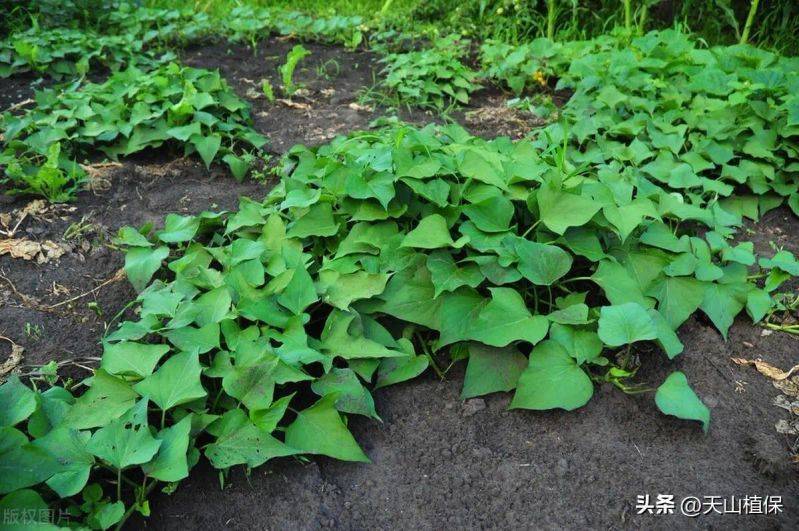
3. Water and fertilization: potato needs adequate moisture and nutrients during its growth. After planting, water should be poured in time to keep the soil wet. At the same time, nitrogen, phosphorus and potassium fertilizer should be followed up at appropriate times, depending on growth needs and soil fertility, to meet the growth needs of the potatoes at different stages of their growth。
4. Insect and pest control: potato is vulnerable to pests and diseases during its growth. A combination of agricultural, biological and chemical control can be used to combat pests and diseases. For example, agricultural control measures such as rational rotation, deep tillage, selection of disease resistant varieties, biological control measures such as natural enemies, biopesticides, and, where necessary, chemical control with low toxicity, low residual pesticides。
Harvest and storage
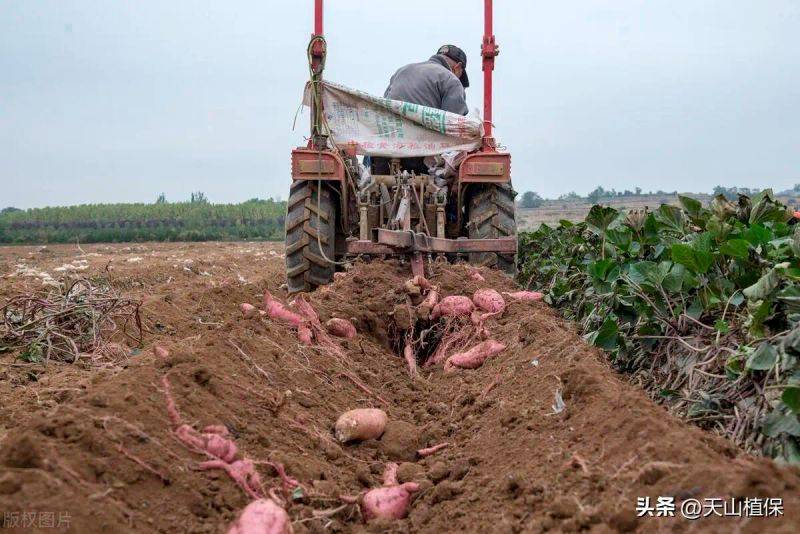
The harvest time for potatoes is generally in the autumn and begins when local temperatures fall below 15°c. Before harvesting, water should be stopped early and the soil should be moderately dry to facilitate harvesting. At harvest, the potatoes should be removed from the soil, the excess soil and leaves removed, and dryed to the surface skin and stored. Storage sites should be selected for ventilation, drying and light avoidance in order to protect the sweet potatoes from tide, mold and deterioration。
In summary, the approach to the cultivation of potatoes includes site selection and soil preparation, selection for quality seedlings, planting and management, and harvesting and storage. In the process of planting, management measures should be adapted flexibly to the actual situation to ensure healthy growth and high yield of potatoes. At the same time, attention should be paid to environmental protection and sustainable development, using scientifically sound planting techniques to contribute to agricultural production and ecological conservation。