


For first-time exposure users, the initiation and safe use of the gas is both novel and prudent. The purpose of this paper is to provide a detailed guide on the use of gas for new users, covering all aspects, from initial opening to daily use, while addressing common questions and ensuring that new users are able to use gas resources safely and efficiently to enjoy easy living。
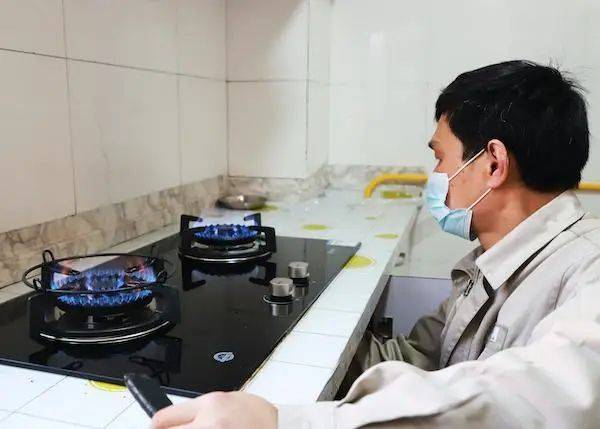
I. Gas first experience, safety first
As urbanization accelerates, gas, as a clean and efficient source of energy, is becoming the preferred option for household cooking, heating and hot water supply. However, the safe and correct use of the gas to avoid potential safety hazards has become an urgent issue for first-time users. This paper will provide comprehensive guidance to new users on gas-opening processes, safety-use precautions, common malfunction removal and preventive measures。
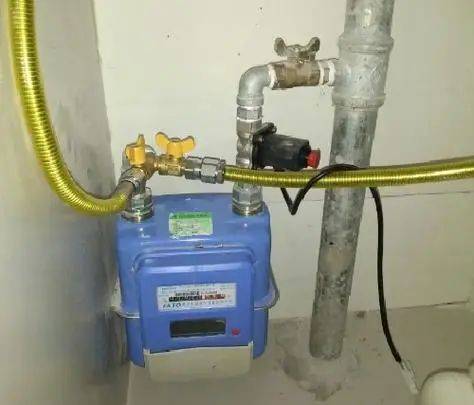
Ii. Gas start-up process: battalion, safe start
1. Appointments to open services
New users need to first contact local gas companies to book gas start-up services. At the time of the appointment, accurate information should be provided on the address, contact details and type of gas required to open (e. G. Natural gas, liquefied gas, etc.). Gas companies arrange home-to-house services for professionals depending on the circumstances。
2. Security checks and acceptances
Once the gas company staff comes to the door, a series of security checks are carried out, including checks on the integrity of gas pipelines, valves, stoves, etc., compliance, and the risk of leakage. Users should cooperate with staff to complete the inspection and ensure that all equipment meets safety standards。
3. Gas start-up and commissioning
Upon confirmation, the staff member will formally turn on the gas and perform the commissioning of equipment such as stoves. Users should carefully observe and learn how to operate the gas equipment correctly to ensure safe and efficient use of the gas for subsequent use。
4. Conclusion of security agreements
To ensure the safe use of gas by users, gas companies usually enter into safety agreements with users to clarify the safety responsibilities and obligations of both parties. Users should carefully read and understand the content of the agreement to ensure that their interests are not compromised。
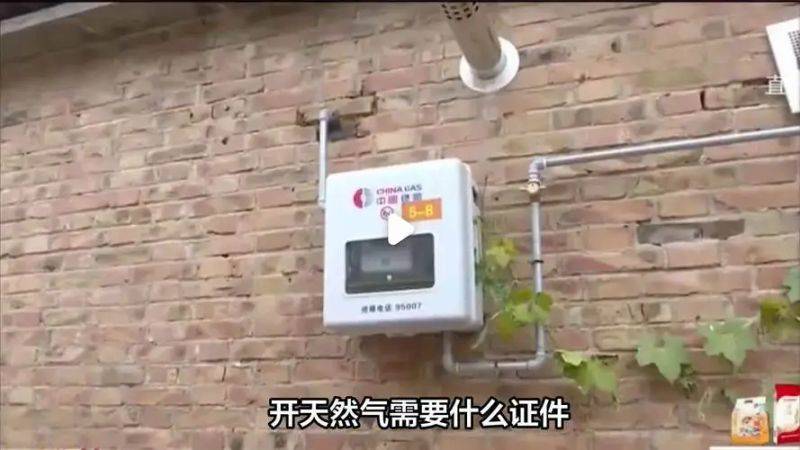
Iii. Corrections for safe use of gas: details determine safety
1. Periodic inspection and maintenance
Users should regularly check gas pipelines, valves, stoves, etc. To ensure that they are in good condition. Once problems of leakage, damage and so forth have been detected, the use should be stopped immediately and the gas company should be contacted for maintenance。
2. Correct use of gas equipment
In the use of gas equipment, operating protocols should be followed to avoid prolonged periods of unattended or overloaded use. After cooking, the gas valves should be closed in time to ensure safety。
3. Maintenance of good ventilation
When gas is used, good ventilation should be maintained in areas used, such as kitchens, to avoid the accumulation of gas leaks. At the same time, the operation of equipment such as exhaust fans and exhaust windows should be checked periodically。
4. Fire and blast protection measures
Users should be equipped with fire protection equipment such as fire extinguishers, smoke alarms and know how to use them. In cooking, it is important to avoid leaving the kitchen or undertaking other activities that may distract attention。
5. Emergency response measures
In the event of an emergency such as a gas leak, the user should immediately close the gas valve, open the doors and windows for ventilation and quickly evacuate to a safe area. At the same time, urgent telephone calls should be made to the gas company or call the police。

Iv. Common gas failures and removal methods: easy response, risk reduction
1. Gas leaks
Performance: smells gas or hears gas leaks。
Method of exclusion: immediately close the gas valve, open the doors and windows for ventilation and evacuate to a safe area. Contact gas company maintenance。
2. Cookers do not burn
Performance: the stove does not react or the flame is weak after pressing the ignition button。
Method of exclusion: check if battery power is sufficient to replace new batteries; check whether the ignition is clean, carbon-free and grinding with fine sandpaper; check if the gas valve is fully open。
3. Flame colour anomalies
Presentation: the flame is yellow or red, accompanied by black smoke。
Method of exclusion: adjust the stove to keep the flame blue; check if the burner is plugged and clear the plug with a pin。
4. Gas pipeline congestion
Performance: insufficient gas flow and low firepower。
Method of exclusion: contact gas company professionals to inspect and clean up pipes。
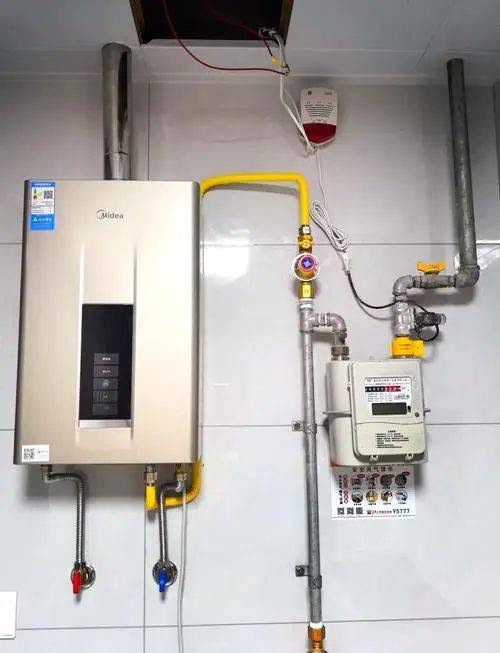
V. Precautionary measures: precaution and safety
1. Increased security awareness
Users should keep in mind the importance of gas safety and comply strictly with gas use regulations to avoid safety risks arising from improper operations。
2. Periodic inspection and maintenance
Gas equipment is inspected and maintained on a regular basis to detect and remove potential malfunctions in a timely manner and to ensure the proper functioning of the equipment。
3. Learning about first aid
Users should learn basic first aid knowledge, such as cpr, scalding, etc., to be able to save themselves in emergencies。
4. Vigilance and communication
During the use of gas, vigilance should be exercised to observe the operation of the gas equipment. At the same time, communication is maintained with neighbours, properties, etc., to maintain community gas safety。
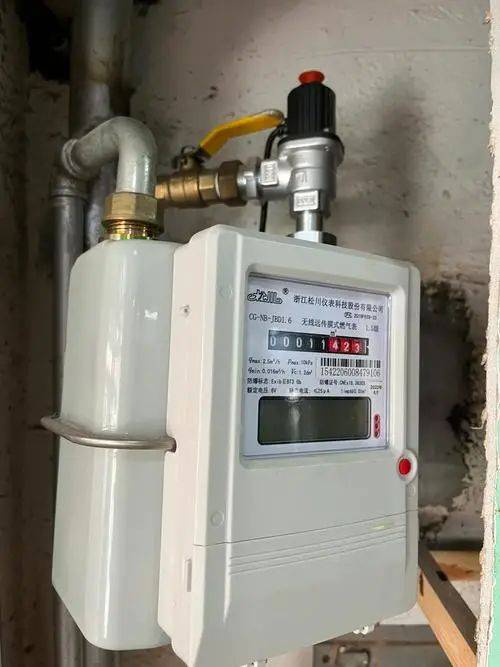
First-time combustion is both a novel experience for new users and a process requiring caution. Through the introduction of this paper, it is believed that new users have a comprehensive understanding of gas-opening processes, safe use precautions, common malfunction removal and preventive measures. In future lives, every user will be able to use the gas resources safely and efficiently to enjoy an easy and comfortable life. Users are also reminded to remain vigilant and to work together to maintain community gas safety。



