Managing the characteristics of migration and urbanization that have characterized our country since this century has been positive for achieving a more coordinated and robust development of migration and urbanization in china. From the analysis, we have found that the current migration and urbanization of our population have some of these new characteristics:
First, migration flows are increasingly an important engine of urbanization, while migration has become an important component of the urban population。
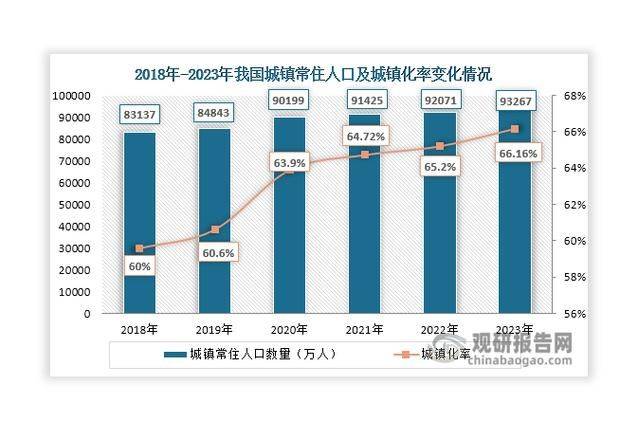
The urbanization rate was 36. 5 per cent in 2000, 49. 68 per cent in 2010 and the urban population increased from 460 million to 670 million. The contribution of migration flows to the increase in the level of urbanization is about 45 per cent, the contribution of natural growth of urban populations to the rate of urbanization is about 5 per cent, while the increase in the size of urban areas and construction areas is about 30 per cent, and the local urbanization of the rural population into the local towns is about 20 per cent。
The number of migrants among our urban population has reached 230 million, and 34. 3 per cent of the urban population is migrant. In many cities in the eastern region, the number of migrants has exceeded that of the local population, and even in some areas the number of migrant migrants is 5-10 times higher。
In the current process of urbanization, the social segmentation of the local and non-resident populations is evident. The existence and social treatment of large numbers of mobile and indigenous populations has shifted the social tension between the original two-fold urban and rural structure into the urban context, shifting the original rural poverty problem into the urban one, reinforcing inequalities within cities and widening social divisions within cities. This social division is manifested by growing social exclusion and alienism. In particular, more than 60 per cent of the migrant population is the new generation of migrant workers born after the 1980s, many of whom are urban-born and growing-up. Unlike the previous generation of migrant migrants, their relationship with rural areas has become weaker and their sense of equality and rights has grown, and if they are not effectively integrated into the urban system, they will pose even more serious social problems。
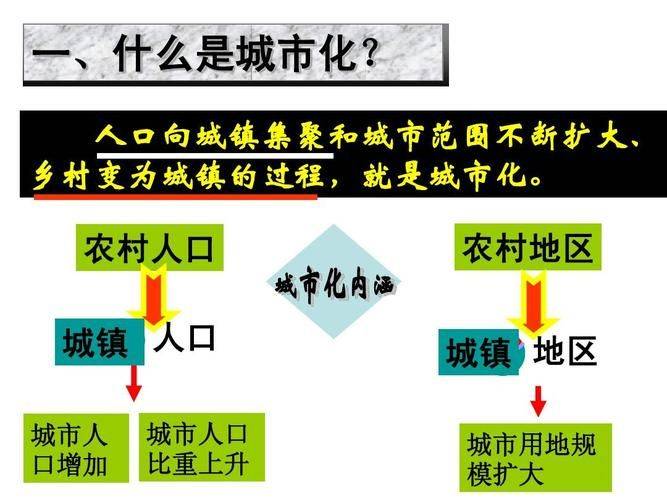
How to bridge the social integration and integration of local and off-site populations and promote local social integration and integration of mobile populations is an important task in the current urbanization development。
Second, migration flows and urbanization in different regions and regions have developed more diverse patterns。
At the macro level, migration flows have shifted from the west to the coast and from rural to urban areas. However, the movement of people from the provinces and the development of urbanization show the following patterns:
• the above-mentioned sea, beijing and tianjin represent patterns of migration that make up mega-cities. The extremely low rate of urban migration, the high rate of cross-provincial migration, and the fact that migrant migrants come mainly from non-agricultural households in other small and medium-sized towns, have created a pattern of urbanization of mega-urban growth dominated by concentrated migration。
Jiangsu, zhejiang, fujian and guangdong are also characterized by a rapid increase in population concentration and urbanization across regions. The higher proportion of agricultural households in these areas, compared with megacities along the eastern coast, also indicates, to some extent, that migration to the eastern part of the country may be characterized by a hierarchical migration。
- from hebei, henan, anhui, hubei, hunan, guangxi to sichuan, chongqing, etc., there are patterns of mixed population extraction and local urbanization. These areas are dominated by intra-provincial migration, with relatively low out-of-provincial migration rates, while migration to and out of the provinces is significant. The rapid increase in the rate of urbanization in the central and western regions indicates not only a relative increase in the rate of urbanization in the region as a result of the emigration of the rural population, but also the concentration of the population in the local medium and large cities, increasing the degree of local urbanization in the region. With the rising cost of labour in the eastern coastal region and the transfer of labour-intensive enterprises to the central region, these return-style migrations and industrial transfers have combined to promote urbanization in the central region, which has been prominent in recent years and has led to regional competition in the labour market。
• from heilongjiang, liaoning, jilin, inner mongolia, ningxia to xinjiang, these areas have fewer people moving in and out of the region and have relatively low levels of migration within the province. The level of urbanization in these provinces is slightly higher than in the country, but the rate of urbanization is growing relatively slowly。
— tibet has a high rate of out-migration, a low rate of out-migration at the district level and rapid urbanization。
The more multidimensional migration flows and the rich relationship between the development of regional urbanization clearly demonstrate the superiority of major powers, the differentiated and complementary effects of industrial and economic development in different regions, and the vast economic sub-regional economic restructuring。
Thirdly, the development of urbanization in our country has led to a gradual transition from the rural surplus to the urbanization phase in china and towards the structural transformation of human capital-led urbanization。
The expansion of the urban population, accompanied by quantitative migration, may also diminish as the macroeconomic structure of the population changes. There will be a new shift in urbanization driven by large numbers of rural surplus labour, which will place increasing emphasis on qualitative population migration, and a new impetus for urbanization in the country, driven by greater reliance on the quality of human capital。
The move from quantitative urbanization to human capital urbanization implies a change in the dynamics of urbanization. As the importance of human capital for the development of urbanization has become increasingly evident, together with its ability to boost china's future economic growth and increase the level and quality of urbanization, the more educated mobile population has a greater tendency to migrate, which is generally beneficial for the development of china's urbanization. In particular, in the context of the development of urbanization, there is a need to strengthen education and training for the displaced. It is only through the development of large migrant populations as highly qualified and skilled workers in modern industries that they can adapt to the transformation and long-term development of china's industrial structure。
Over the next 10 to 15 years, adapting to the new phase of migration and urbanization and reconciling migration with the evolving process of urbanization will provide a major and sustained impetus to china's economic and social development。
(professor at the institute of social development and public policy, university of jordan)