It's winter. The north wind is tight
Here we go again
It's a good time to hang out with mustard and snow
It's a beautiful day
This winter ritual
It's a live show in the alley of chai fat street
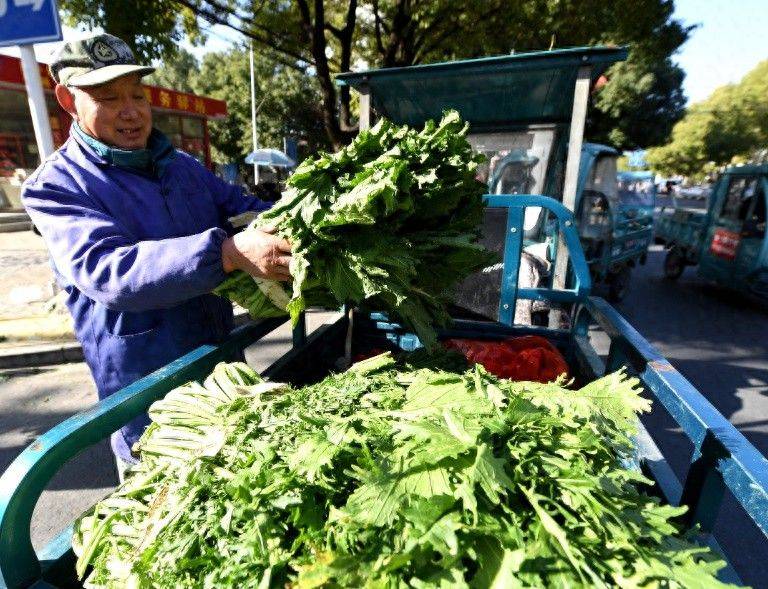
Throughout the day, in the towns and villages of lok city and in small areas of the population, there is a unique winter landscape of green green and green mustard and snow tan. This tradition, which has lasted for many years, not only reserves the taste of a long winter, but also lays out a “winter collection” of warmth and wisdom. As the weather lasts, from the field to the balcony, from the yard to the market, this winter ceremony is taking place in the various corners of the lake。
Pickles are on the market
In the early morning hours of 29 november, there was already a fragrance of mustard fragrance near the west farmers market in the city of lok. This place of sale, created by the farmers in the surrounding area, has become the preferred place for residents to purchase pickles. In front of the stalls, the coloured green, fresh mustard with morning truffles and snow-smelling coded, the fragrance of the fragrance, became the most popular time commodity in winter。
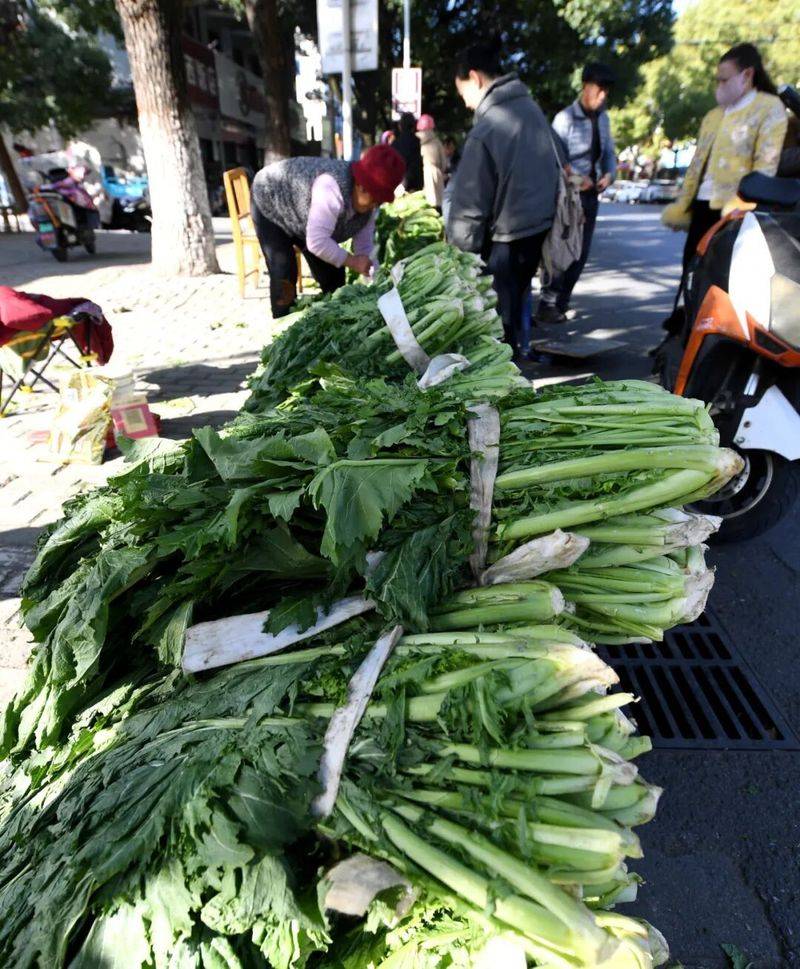
On 29 november, citizens were buying mustard and snow paste。
"i've been selling it since around november 20th. It's a good day. It's the golden season of pickles in the sun. The master of the queen's queens, while preparing the dishes, smiled and told the reporters. As the pickle season peaked, he described the price of mustard as rising from 0. 8 to 1. 2 dollars per pound in the first place. “the supply of mustard is becoming more and more expensive, not only for households, but also for a number of hotels in bulk”
In addition to the west of the city, the main market for vegetables, such as mustard and snow, is also visible in the city's grass city streets, quail and east of the city. For the benefit of the citizens, many stand-ups have also been packed in small packages of about five pounds. This greening of winter days not only connects the fields to the table, but also serves as a “hot industry” for boosting local growers。
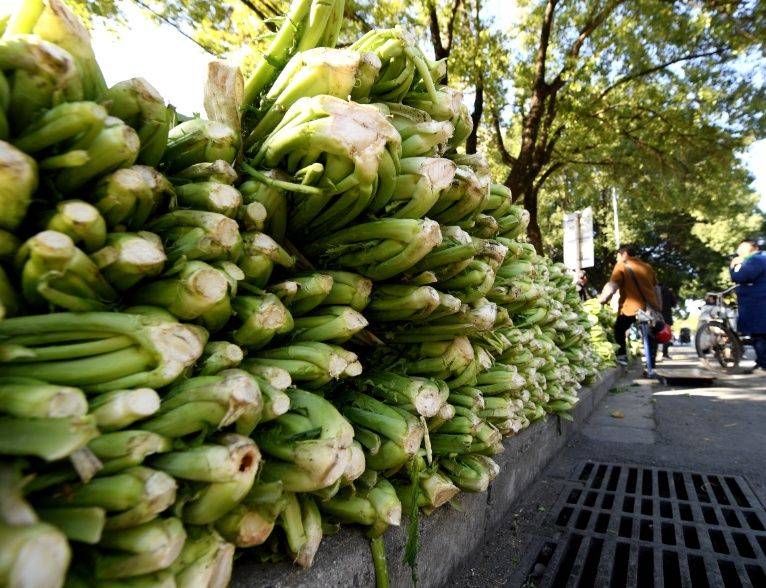
On 29 november, in the vicinity of the market for western cabbage in the city of neshu city, traders were preparing for sale for mustard and cherries。
♪ mustard and salt ♪
On the morning of 30 november, on the shore of the sky river in the city of lok, a civilian lady was tanning in the snow she had just bought in the morning. "we've got to tan it to 70% dry while the leaves are swollen, but the straw is tougher, so the pickles are smooth." she moved softly to make sure that every leaf received the same "baptism" of sunlight and wind。
In nested lakes, this scenario is familiar to families in winter. The balcony, the roof, the yard, and even clean basketball fields have become natural tanning grounds. Bamboos, mats, rain-proof cloths, covered with green and green mustards and snow. On the basis of the experience of their ancestors, the inhabitants were able to hold on to the dry flames of fire — both to make the leaves soft and thin, to lock the water and to condensate the scent, and to preserve the tenderness that was right。
"it has become a habit from generation to generation." ms. Yu said that each process gathered years of experience and wisdom, ranging from the selection of a thick and thick leaf mustard to the degree of drying up, to subsequent salting and altars。
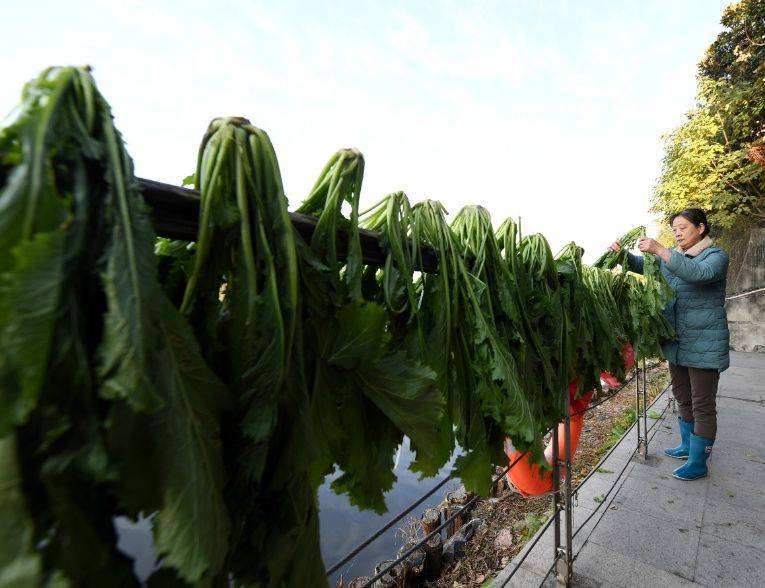
On 30 november, citizens were laying their vegetables in the snow outside。
It's the old days
In the evening, the mustard that was dryed up was rounded up into the most critical pickles. After careful cleaning and asphalting, the vegetables are salted with rough salt, and their hands are squeezed again and again until the juice leaks and they become softer. This “salinization” process is at the core of determining whether pickle tastes are soft and sustainable。
“the use of salt is empirical, bitter and perishable.” master jia, who has more than 40 years of experience with pickles, has learned the secret that “the altar must be layered in size, press hard, and not leave any space so that it can be fermented thoroughly and evenly”. Subsequently, the groceries, which are filled with heart, are carefully coded into a rinsed vat or pottery, sealed and stored in a shade of light, waiting for time to be abated。
In the next 20 or 30 days, microbes in the altar will work quietly to complete the wonderful fermentation and transformation. A successful pickles, bright and sour at the opening, both appetizing and eating. Whether it's simple roasting, cooking with winter meat, or as the bottom of the most grooves of meat, black fish burning, it's the indispensive taste of the fat man's winter table. When the jar opens, the sour scent of snorts awakes the most profound memory of the season。
The traditional taste of winter has gone beyond simple methods of food storage, from the boom in the marketplace to the busy in the yard and the quiet waiting in the altar. It is a continuation of culture, an attachment to emotion and, more importantly, a wisdom of living in harmony with the natural rhythms. When an altar pickles is carefully sealed, and as if the sun, wind and the temperature of labor were collected throughout the winter, only when the coming day opens, tell a warm story of time and home。