Spring tillage is a song, and farming skills are first. In recent days, in the town of khing tae-hyeong, which is based on the critical period of winter and spring tillage, the energy centre of the rural and agricultural directorate of the ui-tai county, which is aimed at rural agricultural cadres, village cadres, cooperative leaders, growers and seed-gull-growing family representatives, has been conducting special training in the use of the spring membrane science and the recycling of used membranes, which has provided efficiency gains for agricultural production throughout the year and has boosted rural revitalization。
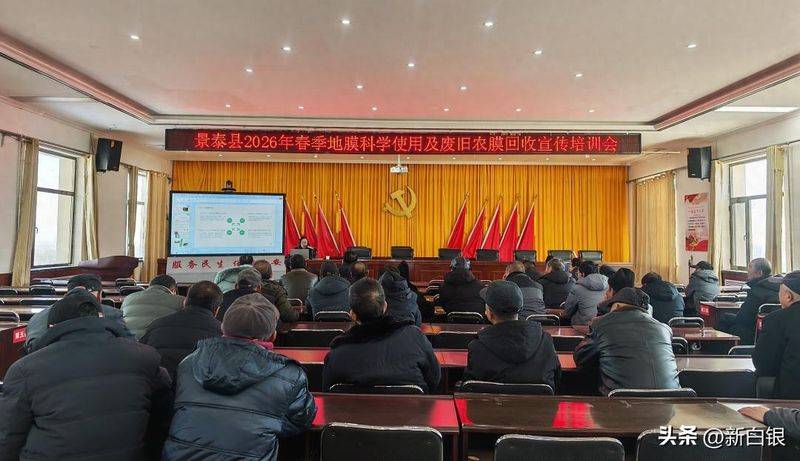
In the course, experts focused on the key practical aspects of the spring coverings, taking into account the geographical characteristics of the monasteries, and directed farmers to standardize their operations to increase membrane utilization and reduce damage residues. At the same time, advanced agricultural technologies, such as efficient water conservation, have been briefly introduced, combining production efficiency with eco-efficiency, providing scientific guidance to farmers in spring farming production and contributing to efficiency gains in agriculture. Waste membrane recycling was the focus of the training, and experts identified responsibility obligations, incentives and consequences of non-compliance with membrane recycling to farmers in the context of relevant legislation. By reading the old-for-new model, the recycling network layout and the resource-based utilization path, eliminating farmers' concerns and motivating participation, leading from “i want to take back” to “i want to take back” and establishing ecological protection lines for agricultural land。
The training was highly interactive, and the experts responded to the questions posed by the participants on a case-by-case basis, enhancing guidance through field demonstrations and dissemination of information materials. Farmers at the meeting indicated that training was well aligned to demand for production, that policies and methods were understood, and that it would be followed by a proactive approach to green farming and an active collaboration with membrane recycling。
The next step will be to start with this training and follow up on agricultural extension and recycling services, regularization of awareness campaigns and strict implementation of the responsibility for the regulation and recycling of membrane use。
(jean)