Spinach contains a wealth of vitamin a, b vitamins and vitamin c, as well as large amounts of carrots. Regular eating of spinach promotes metabolism in the body and helps to replenish blood. Then let's explore the benefits of eating spinach in the fall and its efficacy, while learning how to cook spinach to make it delicious and nutritious。
The five effects of spinach
Increased resistance:
Vitamin c and vitamin e in spinach are powerful antioxidants that can help upgrade our immune system and reduce the incidence of cold and other diseases. For the middle-aged population and above, proper consumption of spinach helps to maintain health。
Improved vision:
Carrotin in spinach can be converted into vitamin a in the body, which is very helpful in protecting eye vision and preventing night blindness. For older and middle-aged people who use electronic equipment for long periods of time, extra eating of spinach helps to alleviate eye fatigue。
Promotion of blood circulation:
Spinach is iron-rich and has some effect on the prevention and treatment of anaemia. Good blood cycles contribute to maintaining cardiovascular health and are particularly important for middle-aged people。
Promotion of digestion:
The dietary fibres contained in spinach can help promote intestinal creeping, prevent constipation and maintain the health of the digestive system. This is particularly beneficial for older persons whose digestive functions are diminishing。
Keep your bones healthy:
Calcium and vitamin k in spinach play an important role in maintaining bone density and preventing osteoporosis. For middle-aged and elderly people, proper consumption of spinach helps to maintain strong bones。
The food taboo of spinach
Patients with kidney diseases need to be careful:
In spinach, which contains high levels of herbic acid, over-eating can increase the kidney burden and may even lead to the formation of stones for those suffering from kidney stones or whose kidney function is incomplete. Therefore, this segment of the population should eat spinach in appropriate quantities。
People with thyroid illnesses should be aware that:
Vegetables contain a certain amount of iodine, and over-ingestion may affect thyroid function, especially for those suffering from thyroid hyperactivity (thopaedic) or thyroid glands, should reduce spinach intake。
Those who take anti-condensation drugs need to be careful:
The spinach contains vitamin k, which contributes to blood condensation. For those who are taking anti-condensation drugs such as wafarin, excessive consumption of spinach can affect the efficacy of the drug。
Diarrhoea patients should not eat more:
While dietary fibres in spinach can facilitate digestion, excessive diet fibres may increase intestinal irritation and lead to increased diarrhoeal symptoms for diarrhoea patients。
What do you do with spinach
Pine:
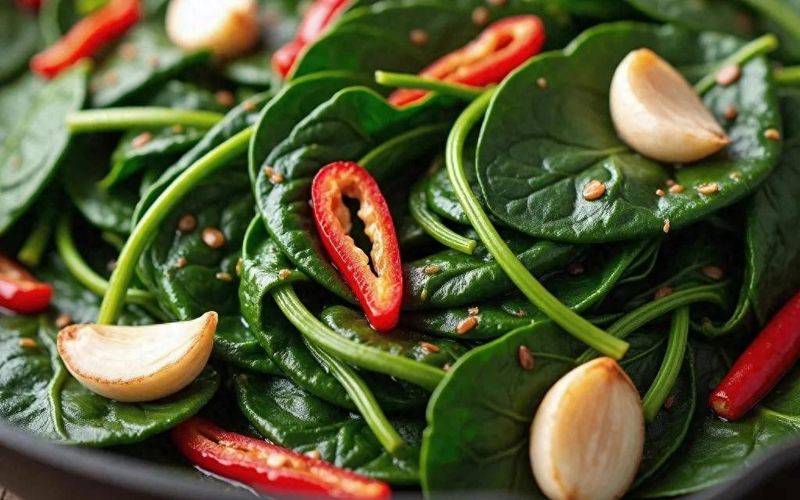
When the spinach is washed, the fire is quickly turned out, so that the garlic paste or ginger-screech can be added, so that both the nutrients of the spinach can be preserved and the soft taste maintained。
Spinach soup:
Sliced spinach, boiled with fresh water or high soup, can be added to some tofu or eggs, which are both nutritious and warm and suitable for cold weather。
Sweat spinach:
Quickly immersed in cold water with spinach rinsing, soaked water, so as to be able to mix it with garlic paste, perfume, salt, etc。
Spinach omelet:
Sliced spinach, mixed with egg fluid, poured into the pot in the form of pie, fried to yellow, simple, fast and nutritious。
Spinach pie:
Sliced spinach, mixed with meat, used as dumplings or pies, which increase the intake of vegetables and make food more delicious。
Spinach fried rice:
The inclusion of shredded spinach in cooking not only makes the cooking more attractive but also increases the intake of vegetables。