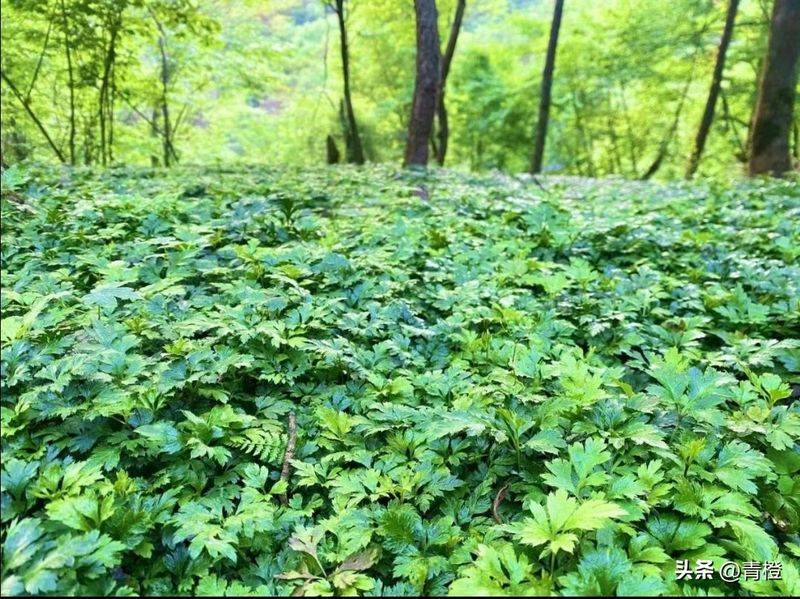
Old farmers and new growers with many kinds of chinese medicine have experienced such a disturbing event: the pharmacological seedlings look particularly strong, the swirling is too high, the leaves are too thick, the leaves are too green, the eyes are too big to look at。
For most of the year, fertilizing water has fallen, the earth is covered, and lastly, it is long, no roots, no output, no good, no good, no good price, and a year of hard work and money. Many wonder what the problem is with the management of the same piece of land and the same fertilizers, the size of other people's medications, the doubling of their production, and the fact that they have their own crazy, long, long, long, unextended
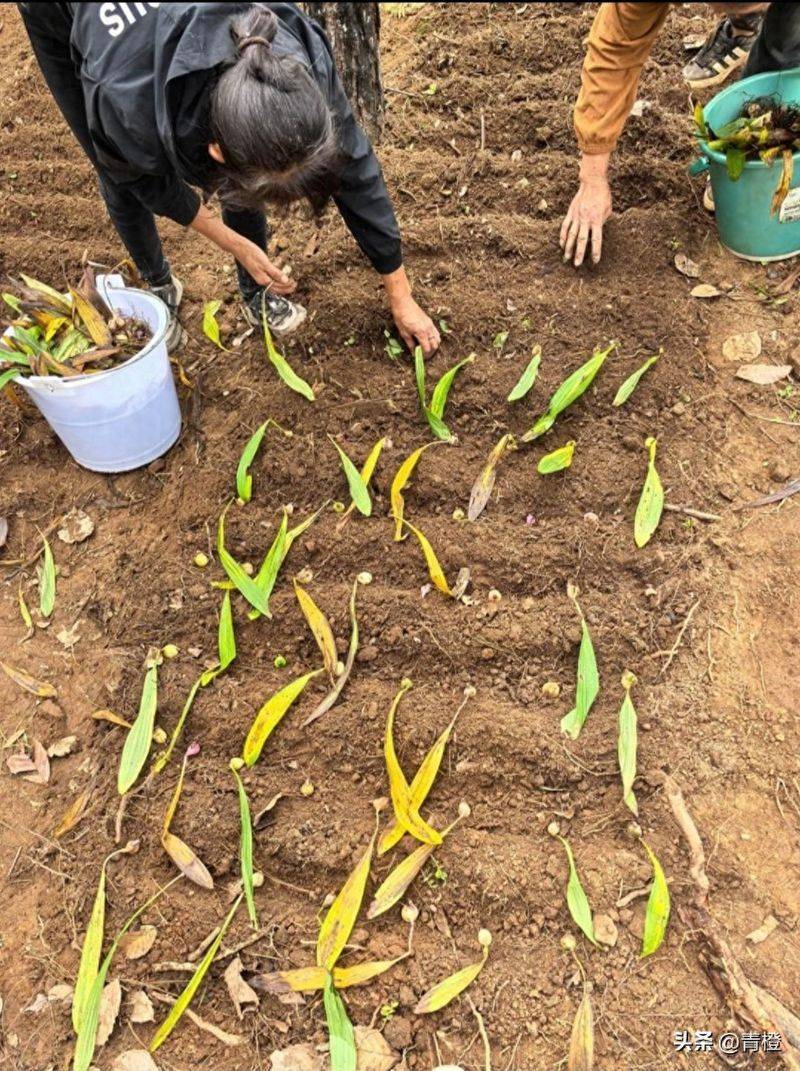
In fact, chinese medicine is growing, it is not a matter of species, it is not a lack of fertility, it is mostly a scourge caused by the loss of control and water. Many farmers tend to think that the better they grow, the better they are, the better they are, the better they are, the more they water, the more they use them, the more they grow, the longer they see, the more they spend all their nutrients on their leaves, and the less they are nourished。
Today, using our decades of experience in the field, we'll be able to talk to people about the root causes of china's pharmacists, and teach them how to control their water and water, all of which are earthly methods, solid field exercises, so that the seedlings can be stabilized and the roots can grow, so that the pharmacists can grow and grow。
First, let's get this straight: why does the medicine grow
We plant drugs like yellow, party, white, white, ground-blue, glycerine and guacamole, the core value of which is the root of the ground, and the leaf is merely an auxiliary growth that does not take the nutrients of the root. But in reality, too many farmers stepped on the pits, and hard-breeding developed the medicine into “only long, no long roots”。
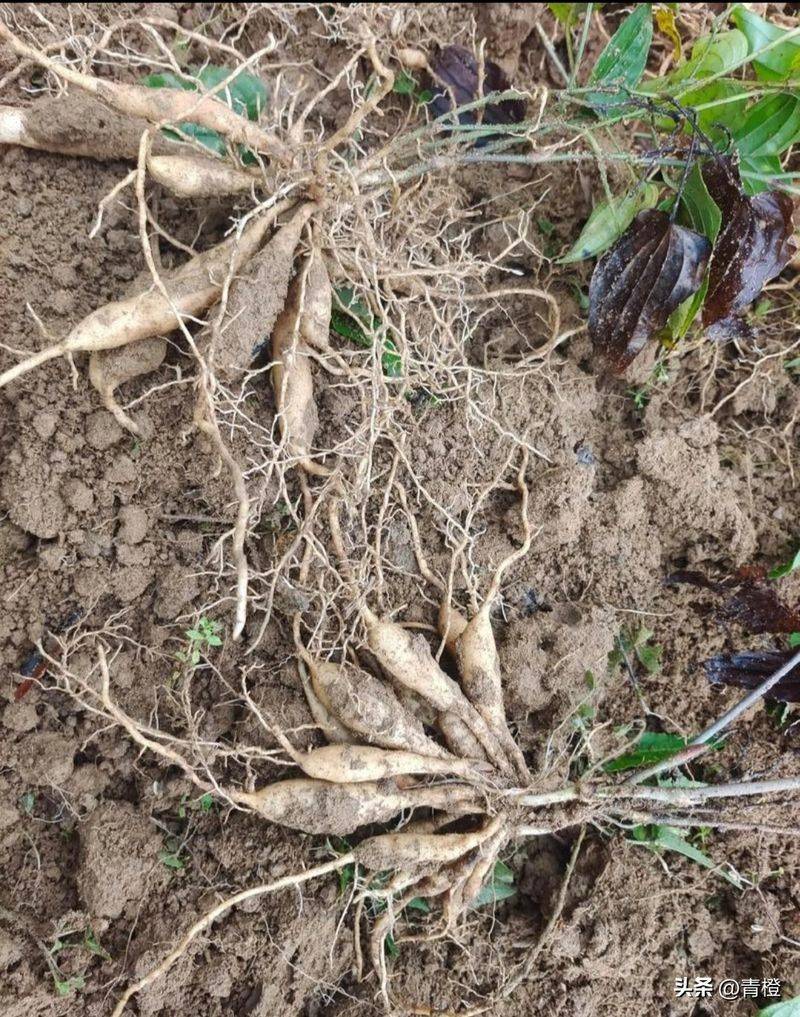
1. Overwatering and humid conditions
This is the most common and most frequent mistake. Many farmers feel that the lack of water for medicine is bad, and water is poured on two sides for three days, whether the soil is dry or wet or in the form of heavy water. The soil is damp for a long time and its permeability changes, and the roots only move up, and they do not stretch down and expand。
With more water, the sap will grow mad, the stalks will grow tall, the leaves will grow, all nutrients will be supplied to the upper part of the ground, the roots of the ground will stop growing and the more they will not take root, the later they will be prone to rotting and disease。
2. Nitrogen fertilizers are too much, but they're not rooting
There are a number of people who grow medicines that seek the growth of seedlings, with urea and high nitrogen fertilizer during periods and periods. Nitrogen fats are the easiest to push leaves, and when they grow wildly and thickly, they look particularly strong, but they are “floating”。
Nutrition is concentrated on seedlings, which do not divert from the root of the ground, and over a long period of time, the higher the seedlings, the smaller the root, the less productive the harvest period。
3. Cultivation density is too high, with poor ventilation
In order to produce more, many people are blindly planted, with seedlings and trees, and in the fields, there is no air or light. The strains compete with each other for light and space, and can only move upwards with one thrust, with the internal leaves closed and the light co-operation changing。
Combined with poor ventilation and high humidity in the field, it is not only very long, but also prone to foliage, corruption and illness, while growing up, that is impossible to root。
4. Shrimp periods are uncontrollable and left unsettled long
Many farmers have the wrong spot: they feel that the taller they grow, the stronger they can't afford, the more they can't afford, the more they can't afford. The chinese drug seeding period is the critical period of control, and if the top advantage is not managed in a timely manner, the seedlings will grow indefinitely。
At the top, all nutrients are taken away, the roots are not supplied, the roots are shallow and unextractive, and it is difficult to reverse the long-term situation。
5. Poor air penetration of soil sheet
Constantly applied, chemically and not agriculturally, soil is becoming more compact and hard, and rain is not well-fed and dry. The roots are attached to the bottom, they spread only in the shallows, and they do not take root or stem。
The soil is poorly ventilated, the roots are not breathing well, the capacity to absorb nutrients is declining, the seedlings grow only to compete for nutrients, and the underground roots naturally do not grow。
Ii. Core first step: scientific control of water, and farewell to blind flooding
If you want the medicine to be long and focused, you can keep the water and talk about control. The water is the first pusher of the raised, as long as the water is controlled, the seedlings are steady and the nutrients naturally go to the root. There's a lot of field water control down there, so the farmers do it。
Adhere to the principle of “dry-and-wet” and never intrude. Drunk
Growing the potion in the root and root, watering it remembers the big white saying: no, no, no, no。
It is not necessary to water it once in a few days, looking at the soil, looking at the seed, looking at the weather. The soil is white, dry, untidy and then watered; if the soil is wet and sticky, it will not be watered。
The habit of a three-day short and five-day heavy water supply has been resolutely changed, let alone flooded. It is easy for a flood to accumulate its roots, and it will bring forth the seedlings in an instant. The use of small water is slow, followed by ditches, so that the water slowly permeates the soil and does not accumulate water or flood roots。
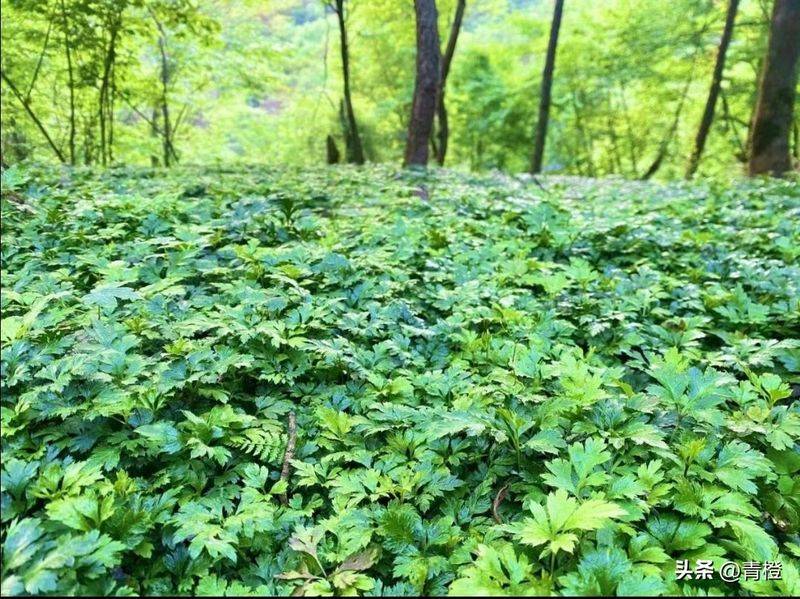
2. Phased water management, with different life-long watering
Shrimp period
Medicines grow to within 15 cm of small seedlings, with less water and less dry seedlings. The seedlings are weak, and the water is easy to grow, fall, fall, dry, as appropriate, and can force the roots down, with strong roots, root roots, and later resistance to ambushes and impotence。
As long as the soil is not dry and white, and water is not watered as much as possible, it can grow normally from the bottom of the bottom, and it must not be so painful for the seedlings to be dry, but rather more so。
Long before
When seedlings begin to smoke fast-growing leaves, water is strictly controlled and the seedlings are moderate. This phase is the most easy to grow and is deliberately artificially managed with light water so that the soil is not too wet, so as to suppress the folicity of the leaves and force the nutrients to flow to the root of the ground。
Crawling is not a dry seedling, but rather a non-additional watering, which is sustained by natural rainfall and soil underlays, and which lasts 7 to 10 days, with the seedlings moving steadily, staggering and becoming thicker and no longer small-sized。
The root swells
This is the most critical period of production growth, with no water scarcity or accumulation. Roots start to swell and require proper moisture, but not heavy water. It is sufficient to maintain half-dry and half-wet soil, and the lack of water will be small and the water will continue to grow and rotting roots。
In the event of consecutive rainy days, it is important that the drains be routed in a timely manner, that no water be accumulated in the fields and that the rain be stopped and drained so as to avoid wet and dry rooting and spurting seedlings。
3. Water drainage in the rain and elimination of field water
In many cases, the masters are not watered by humans, but are poorly drained during the rainy season. The summer rains, heavy rains, the accumulation of water from the ground, the long-term saturation and humidity of the soil, and the long night-to-night madness of seedlings。
Before planting chinese medicine, the field drains, gutters, gutters, gutters and gutters were opened early, and the rain did not hold water, and the rain was dry. Low-lying plots must be planted, with medicinal products, water in trenches and water from the root causes。
4. To avoid watering at noon and select the watering period
Water is also distributed over time, with the sun tan high in the middle of the day, the temperature high, and suddenly cold water, which can easily hurt roots and stimulate seedling stress。
Best watering time: early morning or after sunset. The water is warm and warm, it does not damage the root system, and the moisture is slowly permeable, filling the water without stimulating the seedlings, raising the roots in a warm and steady manner。
Core step two: science-controlled, quenching seedlings and rooting
Water control is only the foundation, and manual control and management are essential if a definitive solution is to be found. Without any hormone-type agents, they are the physical methods, management techniques that farmers can use, safe and secure, non-harmful and quality-neutral。
1. Shrimp sharpness and loss of top advantage
All the roots have a top-end advantage, the top is growing up, the nutrients are running to the top, and the roots are not nourished。
When the pharmacists grow to 20 to 30 centimeters, they go to the top of the plume and choke it off. When the top is cut off, the seed is no longer moving up, and the nutrients flow back to the roots and the lower troughs, which grow thick, the roots grow, and they start growing。
The tipping is not done once, in batches, long first, short lateral, and unified control over the height of the seedlings, so as not to allow the masters of the mad。
2. Rational whole-wielding, truncated field movements
Many of the chinese pharmacists have particularly large branches, which are so thick and so thick that they are not bright, ventilated and extremely vulnerable。
Cutting off the spare branches of the bottom, the empty branches, the long branches of the invalids, and the leaves of the bottom near the ground, the yellow leaves and the thick leaves, as appropriate. The whole branch is followed by improved ventilation in the field, reducing the waste of nutrients, eliminating the consumption of nutrients on useless branches and concentrating all of them on underground roots。
The whole branch remembers one principle: to leave a strong branch, a weak branch, a middle, a bottom, not to cut blindly, not to trim it, only to draw the long branches of surplus, without affecting normal light cooperation。
3. Controlling cultivation density and not blindly planted
In order to collect a few more, many farmers have managed to harvest them in secret and, in the end, counterproductive. Overdensity and competition for light, water, nutrients, can only grow upwards, all of them small and small。
Based on the different properties of the drug, it is preferable to have a thinner, stronger, bigger root, less dense, longer and lower yield。
After proper thinning, each of the pharmacists has an independent growth space, ventilated, and the roots are able to expand freely to the large tubers, and the total production is higher on a single scale。
Fertilizer adjustment: less nitrogen, potassium polyphosphorus, heavy farmers fat
Ninety per cent of the student length is caused by excess nitrogen fattening, and to control the root roots, it is necessary to adjust the fertilization approach。
Don't use pure nitrogen fat
After the seeding period, there is a strong determination to reduce pure nitrogen fats, such as urea and ammonium carbonate, and to stop the rush. Nitrous fertilizer is used only for seedlings, and later it is used to help the master。
Increased potassium fattening of phosphorus
Phosphorus rooting, potassium promoting root expansion, seedlings entering long and long-term root expansion periods, with emphasis on supplementing potassium phosphorus fertilizer. Without complex formulations, calcium phosphate, potassium sulphate, grass-wood ash, commonly used by farmers, is available, low-cost, effective。
As soon as the phosphate fattens, the saplings are thicker, no longer small, and nutrients are rapidly transmitted to the ground, with a marked increase in the rate of expansion of the roots。
More fertilized farmers
Fertilized soil is easily clogged, seedlings are grown, and the soil is improved and the soil decompressed with decomposition, cow dung, chicken dung, straw and fattening. The soil is ventilated, its roots are deep and strong, it is natural to grow and take its roots, and it also enhances its pharmacological and pharmaceutical looks。
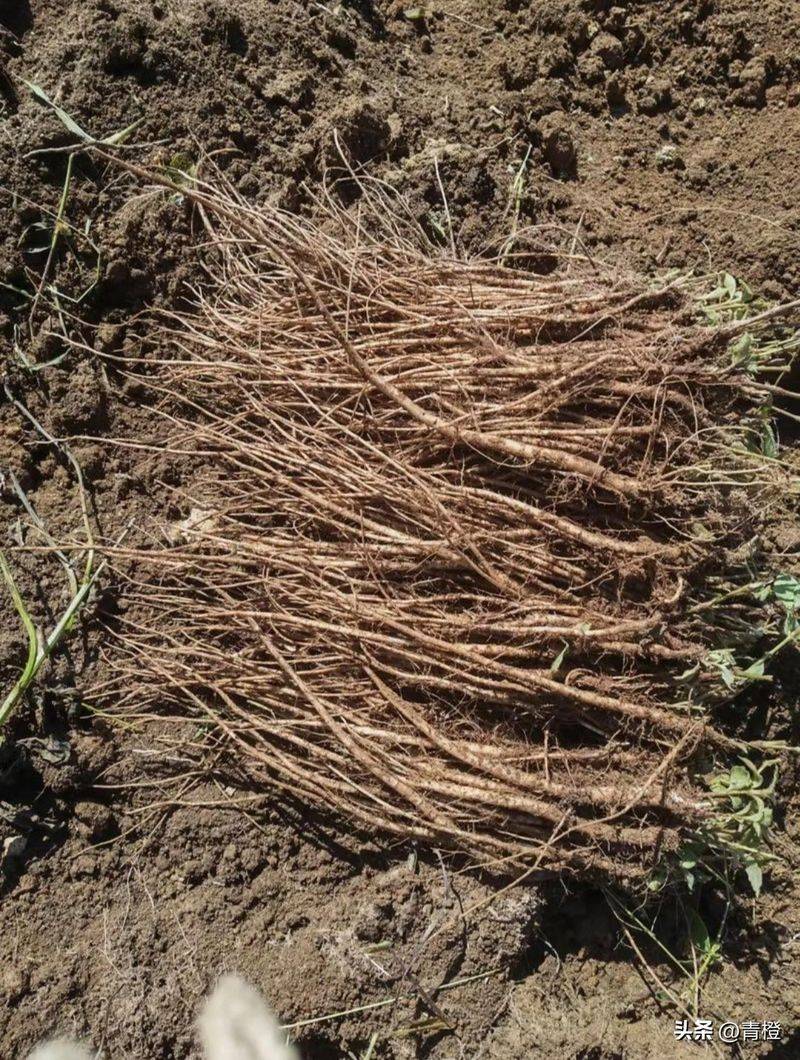
Iv. Accompaniment management in the field: doing these things without being raised and helping to take root
It is not enough to control water on the surface and to control it. It has doubled the impact of these fields, eliminating the root causes and steadily increasing production。
1. Cultivated pine soil, breaking the soil sheeting
It's the old saying: plowing in the field and fertilization. The soil sheet is in poor aerobic, and the roots cannot go down, so the seedlings tend to grow。
The pharmacological material is produced over a long period of time, with pine fields being cultivated every half month or so, and the subsurface layer of the surface of the ground, breaking the sheeting and decomposition of the soil. The pine soil both protects water and increases soil permeability, allowing roots to breathe freely, deep down, inhibiting seedlings and promoting root and root growth。
It follows the “silent root without injury” and can be further away from the roots, close to the seedlings and avoid cutting the mustache roots。
2. Timely weeding to avoid weed grazing min
Field weeds are kept intact, water, fat and light are struggled with medicine, which can only grow up in order to capture the light. Moreover, weeds are diluted and wet in the fields, and the increase in the number of pupils leads to pests and diseases。
See weeding, artificial weeding of small seedlings, weeding of shallow grass in the middle and later stages, and keeping the ground clean. The nutrients, the light and the space are left to the medicine, and the natural nature will not grow and focus。
3. Reasonable shades of light to avoid strong light
Some of the drugs in the euphoria, which are hot and tan for the summer, are also used to stimulate the elderly. The heat is too strong, the seedlings will rise fast and the leaves will grow crazy。
Lightly shaded crops can be properly covered with sunnets, or by using inter-field pyrotechnics to control light intensity, stabilize seedlings and avoid heat-intensive light-induced protrusions。
The light also needs to be balanced, so that it cannot be too tight, so that it can grow too dark, so that the light is full, so that it does not shine, so that it is not dark。
4. Eliminating recurring and decreasing trends chaos
The same chinese medicine is grown over the years, with soil disease, nutrient imbalance and trace element deficiencies, which can easily lead to long-term disorders, no roots and dead roots。
There are conditions to switch as much as possible, two years apart from cropping, improving the soil, balancing the ground, and the growth of seedlings, which are naturally stable and do not lead to a situation of madness。
Five: the farmers' common shelter reminds us not to make mistakes
1. Don ' t think that the higher the production of seedlings, the more they are produced, the more they are produced, and the higher the green oil, the more empty they are。
2. Be careful with heavy water, with medicines resistant to drought and flooding, with appropriate dry roots, and with chronic damp and wet nutrients。
3. Do not sow urea oxytocin seedlings, with an appropriate number of years of seeding, and low nitrogen fatting of potassium polyphosphate in the intermediate and later stages, which is the path to increased root production。
4. Don ' t be too hard to beat, too hard to cut, and lastly to lose production and to lose。
5. Do not plant seedlings blindly, with high yields of thin roots, and with a wide variety of masters。
6. It is not easy to ignore drainage and pine soil, water in the ground, soil slabs, and how to manage fertilizers。
Vi. Summary of the full text + practical advice from old farmers
In general, chinese medicine is not rooted in roots, and the root causes are twofold: water and moisture, and excessive nitrogen fat. The control of water is “dry-wetted, staged, rain-drained”, the control is “dry-drying, whole-leaved, rational-density, fertilized” and is accompanied by the cultivation of pine soil, weeding, and the management of scientific light, so that the seedlings can be easily squeezed and the nutrients can be removed to the root of the ground。
Whether it be yellow, ginseng, white, blue root, or saps like white, licorice, glycerine or gin, this method of water + power control is common, and it is not expensive to buy special effects, and it is an old farmer's method of growing production, which has been summed up over the years。
Remember that the pharmacies grow with little fear and water control is a good option; less nitrogen fertilizers, potassium phosphorus, are used to stoke all the branches to strengthen their roots; see if the water is wet and the roots are full of grain。