Many often ask how to grow flowers or vegetables in their own balcony or garden. Some seem to have no connection to cultivation, and attempts at planting have always failed, seeds have not sprung, seedlings have not survived, or seedlings have survived but are not long。
It is hoped that this article will help these friends to see that planting is not difficult as long as it is on schedule。
It should be easy to start growing vegetables, and different vegetables are difficult to grow. Usually, it is the easiest to grow leaves, especially those with a growth cycle of only 20 to 30 days, such as cabbage, oil, vegetables, etc. These cross-flower vegetables are the most easily grown, with dry seeds growing in two to three days and harvesting in a dozen days. In the case of full application of bottom fat (mainly manure), there is little need to pursue fat。
The seeds of the leaves are more difficult to sow and have longer growing cycles, so it is more time-consuming to sow, preferably soak them up in order to produce them successfully. Because of their slow growth and long growth cycles, field management requires one to two fattenings, as well as pine and weed cultivation。
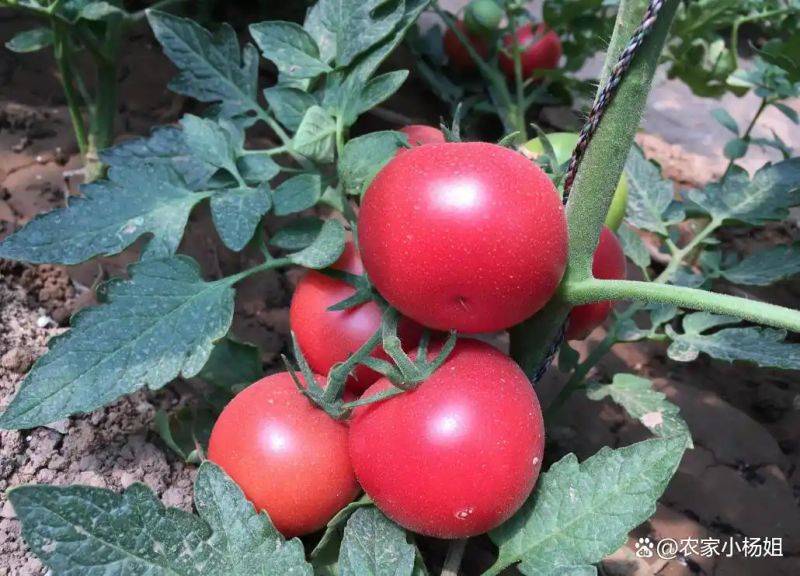
The most difficult vegetables are fruit and beans, including eggplants (e. G. Tomatoes, eggplants, peppers), melons (e. G. Cucumbers, watermelons, silk melons, bitter melons) and beans (e. G. Beans, lentils, dutch beans). These vegetables, the main harvest, need to be managed according to different stages of growth. Attention should be paid to reconciling the nutritional and reproductive growth of plants to ensure that they are sufficiently nutritious, with more flowers and more results. The growing of these vegetables needs to be constantly tried, lessons learned, and you can refer to some of the technical posts i wrote earlier, which are based on my own experience and should help you。
Thus, for beginners, we can start with simple leaves and grow more difficult。
Different vegetables require different environmental conditions, and they have to be grown for seasons. The environmental requirements for vegetables vary widely, and planting in appropriate environmental conditions is a prerequisite for their growth. Thus, different vegetables require different planting times. We rely on ancient agricultural proverbs, such as “cleaning before and after, planting beans”, “cleaning tremors, lisquad ginger” and “july onions, august garlic, mid-autumn cabbage”。
With the variety of vegetables now available, we have a more scientific method of planting, which can be determined by combining local climate temperatures with the temperature required for vegetable growth。
Cold-resistant vegetables: most of the leaves are cold-resistant vegetables, such as cross-facility, lettuce, wheat, onions, garlic, etc., which grow at a suitable temperature of 15-20°c and are resistant to temperatures of 0-5°c。
Heated vegetables: vegetables such as eggplant and legumes, which grow at a suitable temperature of 20-30°c and poor growth at 10-15°c。
Heated vegetables: almost all melon vegetables are hot vegetables, growing at a suitable temperature of 25-35°c and requiring higher temperatures。
Vegetables are selected, planting times are set, and suitable plots are selected to sow. Vegetables are in greater demand for fertilizers than daejeon crops, and most of them are fertile, so that we should first grow vegetables with fertile soil, deep soil, organic soil or sandy soil, and poor growth of sandy or sticky soil。
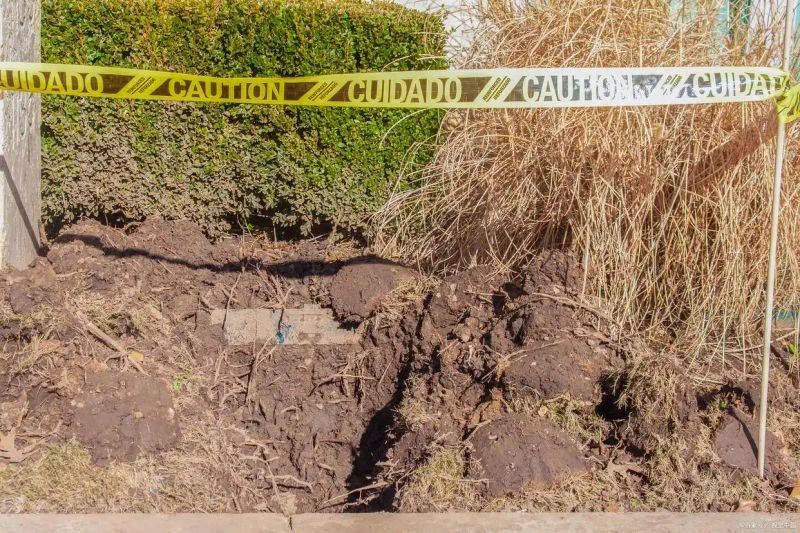
What would be done if the plots were so thin? The application of extra organic fertilizers prior to planting is a good force for the ground, not only for manure, but especially for farmers. Farmers ' fatty, which is made of manure, straw, fallows, weeds and vegetables, can improve the soil structure and increase the organic and corrosive quality of the soil, thereby increasing soil fertility. Farmers generally do not produce burning seedlings, which can be applied more, with a layer of 5-6 cm thick, and then go deep into the soil, tan for a few days, to fertilize it。
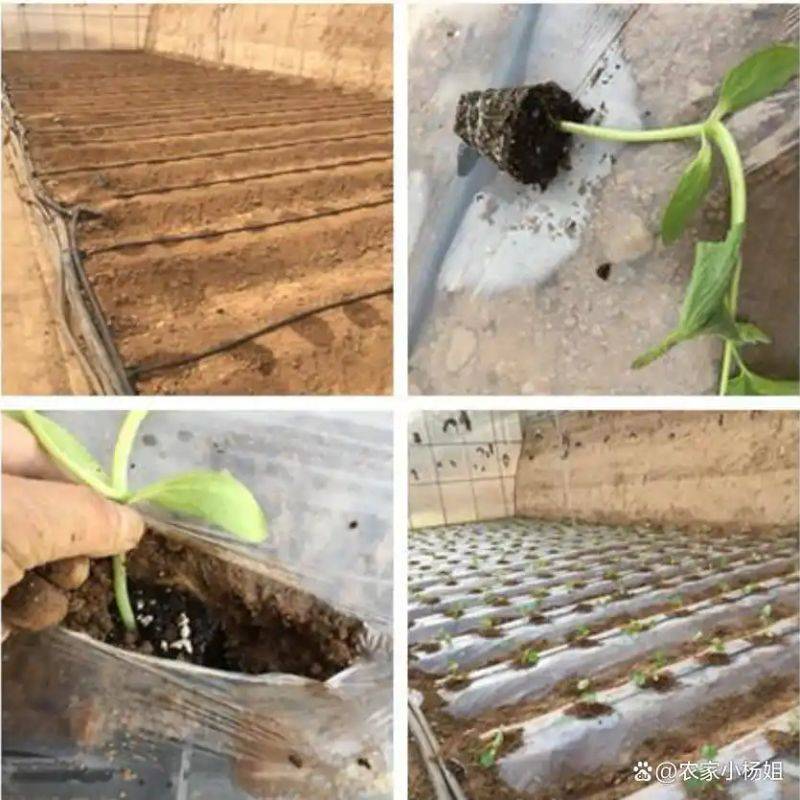
And when we pick the land, we can start planting. Many people are unable to sow, mainly because this is not the right step. Let me now give you a detailed description of the seeding steps, which will suffice。
1. Land as a whole
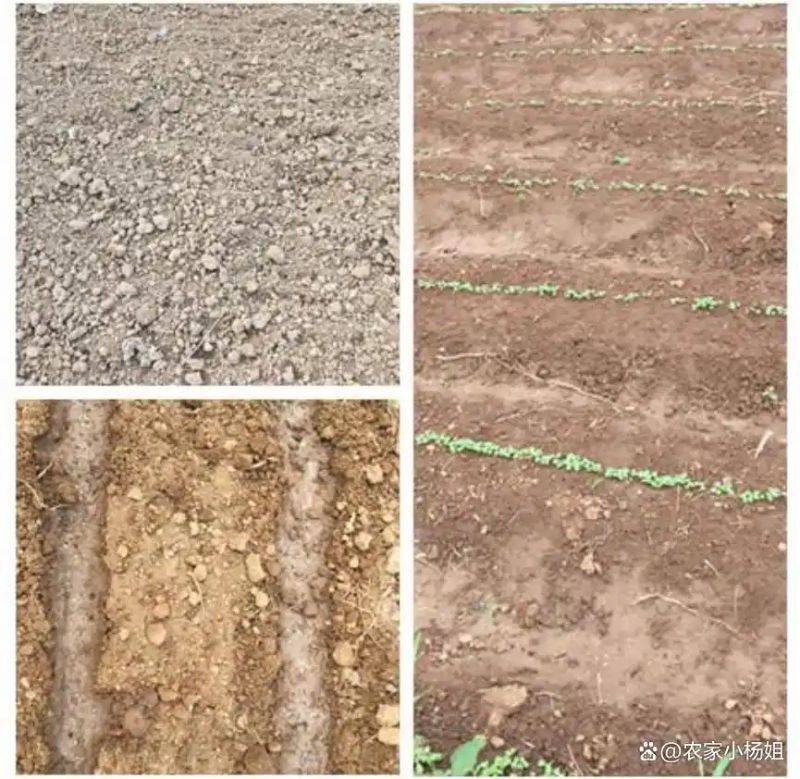
Selecting the size of the plot, spreading decomposed manure in an even manner, then pouring water, pouring water so that people can enter the ground three to five days later, when the ground is run over and dry for two days. If decomposed manure has been crushed, some more can be spilled before the ground is poured. Before seeding, the ground is flat, and leaves and vegetables are made of a 1. 2-metre wide flat. Vegetables need to be dredged with fertilizer (complex, calcium, phosphorus) before they rise high。
Seeding
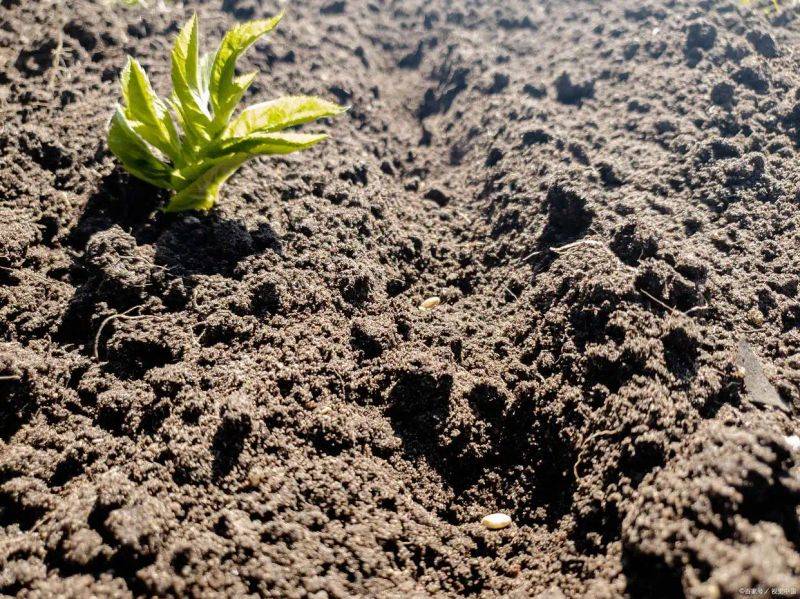
Leaf and vegetables are spread almost all the way down, spread out a ditch of 1-2 cm at the right distance, each row down, with the canteen pouring up some water along the ditch, and the water permeating, evenly sowing the seeds
Then the earth shall be covered with a rake。
If the temperature at the time of seeding does not reach the temperature at which the seed originates, the membrane can be covered after the seeding has been completed and the temperature is kept wet. If seeding takes place during hot seasons and the temperature is high, it is done by cutting a ditch and then pouring water through the whole, and then covering straw to prevent the water from evaporating too quickly. During seedlings it is important to keep the soil wet to produce seedlings。
The seedlings are similar to the seedlings, which are planted at low temperatures, so that a water can be watered and then watered. Hot seasons can be filled with water when all planting is done。
3. Saplings and sprouts。
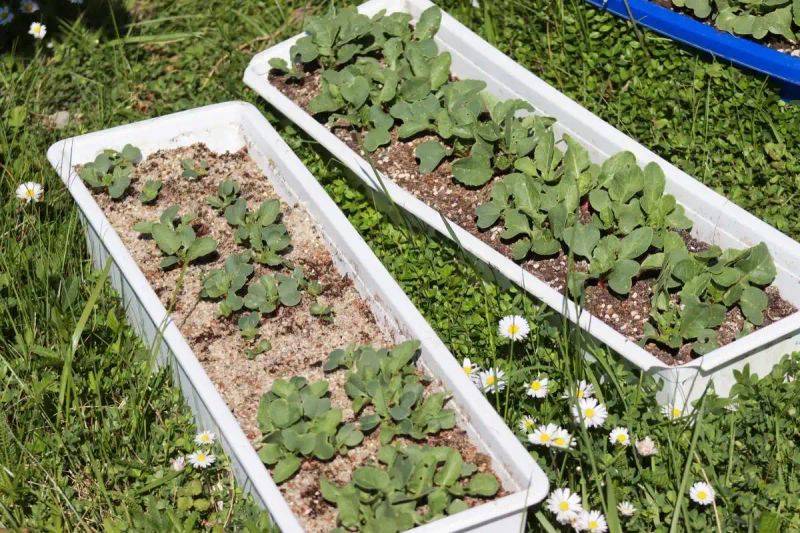
Direct seedlings require two to three times, usually starting with two real leaves, with the first removal of some too thick, long-lived seedlings; the second seedlings when three real leaves grow, with a slight distance between the strains; and the best seedlings when four leafs grow, with a similar size。
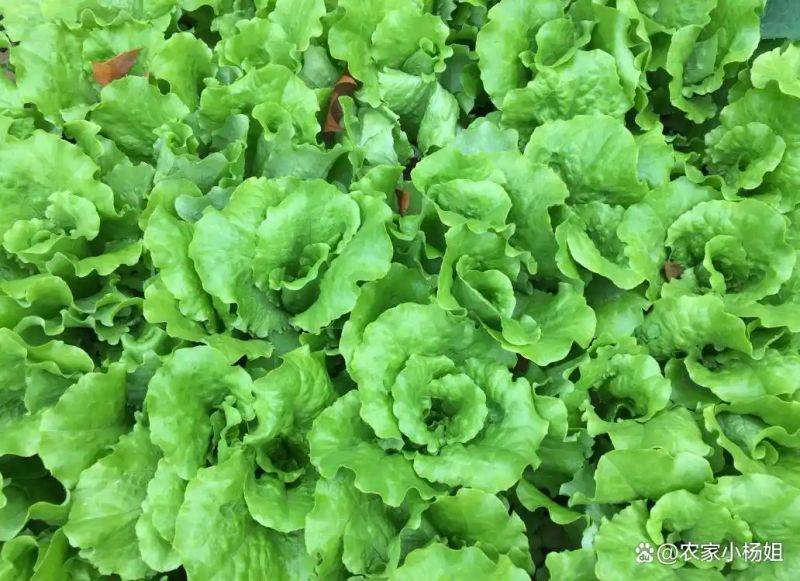
Planting vegetables requires scientific pursuit of fattening and watering。
Vegetables need to be properly followed up, and if they are grown in small areas, for domestic consumption or not for sale, they can be followed up without fertilizer or with fertile plots. However, insufficient soil fertility requires the pursuit of biological organic fertilizers, pie fats or vegetable-specific flushing。
(c) fertilizers: all vegetable production requires fattening, application is based on the fertilization characteristics of different vegetables, leaves are applied to nitrogen fertilizers and fruit vegetables require a balanced application of potassium nitrogen phosphorus。
Water: never too much, especially to cause soil to accumulate water, damage root systems and certainly yellow leaves. Nor should it be too few, nor should the soil be particularly dry or not watered. We can water on the basis of the strength of the plant, but if the leaves are aging at noon, we can water it。
It is important to spray pasta: it is good to prevent the yellowing of vegetable leaves, to spray 0. 3 per cent of the potassium phosphate solution, or other leaf pasta fats with many trace elements。
5. Prevention and control of pests and diseases。
In the case of small areas where vegetables are grown and are not trafficked mainly for their own consumption, it would be preferable to have less spray. Leaf and vegetables are infested with pests, mainly by their own insect catch, and very few of them suffer when the field is well ventilated。
There are still a large number of pests and pests in the production of open-land vegetables, which require time spraying and, if they are found, a truly multi-disciplinary spray。
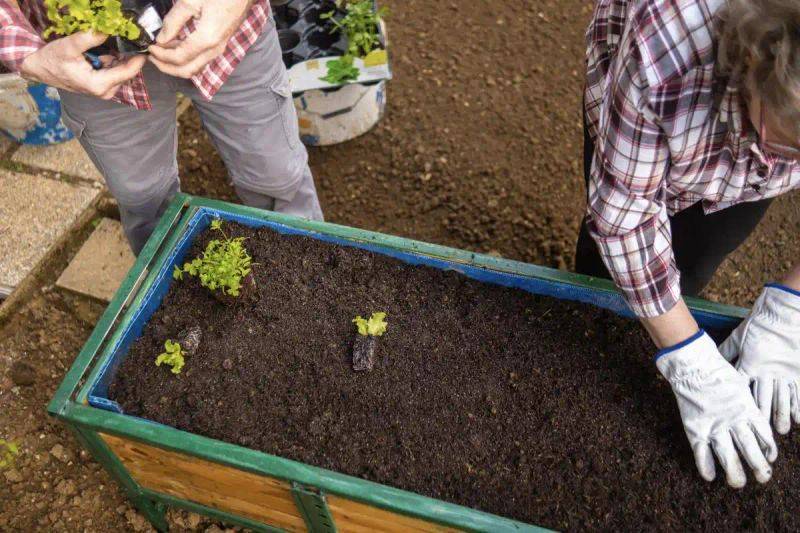
It's not so good for us to grow in our garden. This is mainly due to the fact that their own vegetable growing is not based on high yields but on good quality, that the requirements for external quality are less stringent and that small-scale cultivation is subject to restrictions, and that it is often difficult to provide particularly suitable environmental conditions for vegetable growth, and that the size of production can provide a more suitable soil, water fertilizer and temperature, humidity, light, etc., and that vegetables grow better. These points of knowledge are enough for those who grow their food in the home, hoping that we can overcome the epidemic and enjoy the outside world。
# deep and well written #