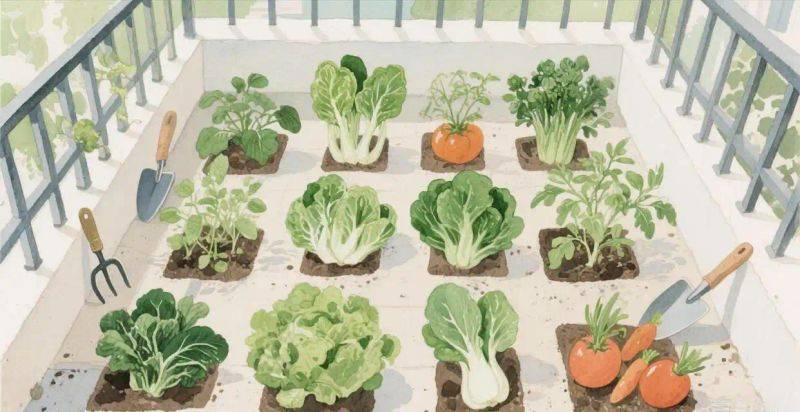
Hello, cabbage! I'm your old culinary troupe. A lot of cabbies have been saying to me all these years, "if you want to plant something on the balcony, you're too busy at work and you don't have time to serve."。
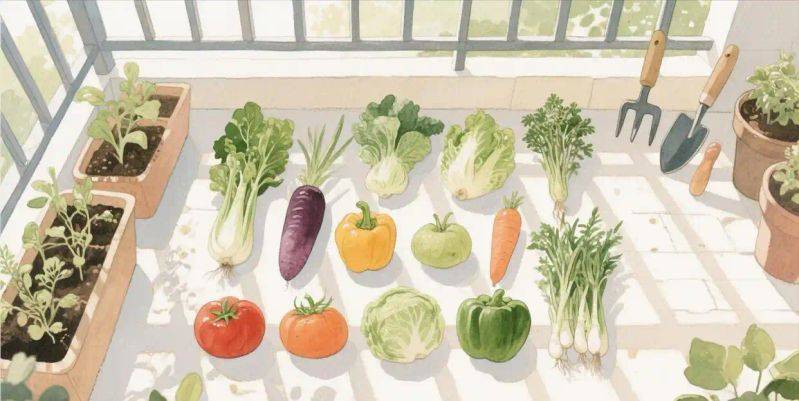
Don't worry, today i'm hiding the "landnuts caster's secrets" -- 10 fine, liveable "landnuts" -- even if you're the new guy who can kill a green bead, you can harvest the whole pot
I. Common advantages of lazy vegetables
Why do you call them lazy? This is mainly because they all have these advantages:
There are no stringent requirements for the growth of the environment, whether it be a small flower pot on the balcony or on the edge of the yard; it is simple to manage, without daily watering and fertilization or frequent management; it is resilient and resistant to disease and pests, and it saves effort。
Besides, we're looking at the agricultural institute's official literature, and it's based on actual planting experience
Ii. 10 detailed planting of lazy vegetables
(i) cabbage
The cabbage is called "the first-class grower."。
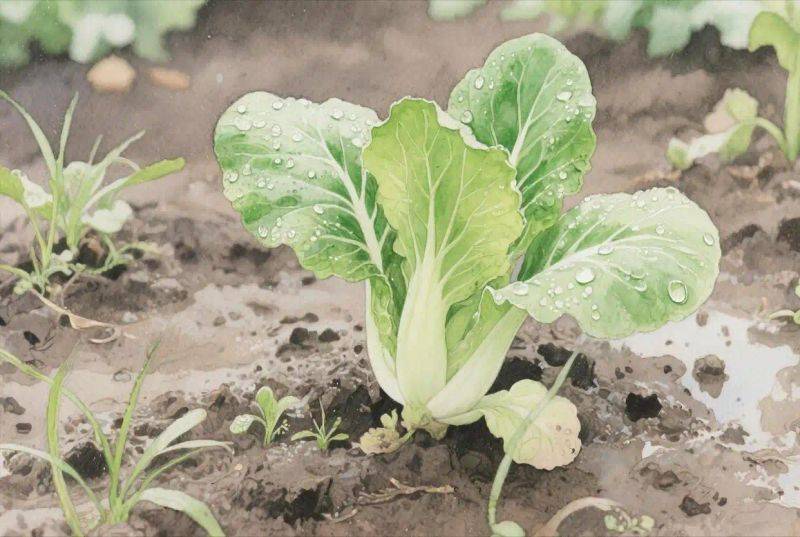
Cultivation time: the spring and autumn seasons can be sowed, spring march - april, autumn 8 - september, with the fastest sprouts at 15 - 25°c。
Soil preparation: with lax, fertile, well-drained soil, we can mix the garden with decomposed organic fertilizers at a 3:1 ratio, so that the soil is both fertile and ventilated。
Seeding methods: seeds are distributed directly on the soil surface, covering a thin layer of soil with a thickness of about 0. 5 centimetres, and water is then poured out。
Day-to-day management: upon seedlings, the soil is kept micro-humid, with little water to water, so as not to rot. When small saplings grow three to four real leaves, they apply thin nitrogen fattenings, such as decomposition urine diluents, to boost the growth of leaves。
(ii) preparatory vegetables
It's not too hard to grow when it's raw。
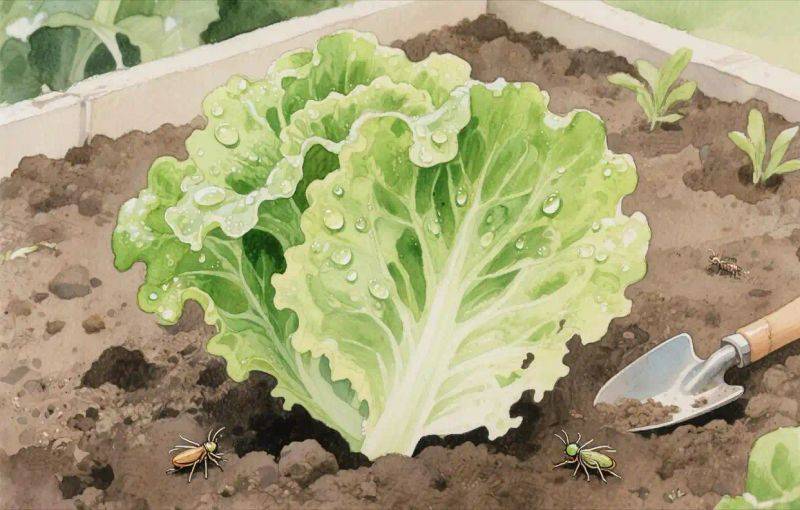
Cultivation time: a spring or fall seeding can also be tried in the summer when it can be placed in a cold and cool place。
Soil requirements: like micro-acid soils, ph values are best in the range of 6. 0 - 6. 5, and we can use a 4:3:3 ratio of garden land, leafy soil and river sand。
Seeding steps: seeds are immersed in hot water for 3 - 4 hours, leached and then seeded, which increases the germish rate. The seeding was followed by a layer of fine soil, watered and soil moist。
The point of conservation: lettuce does not bear strong light, and in the summer it should be properly covered. You don't need too much fertilizer for the long term, but you do it every 10 days or so。
(iii) salmon
The bellies are the best of the lazy, growing, reaping years。
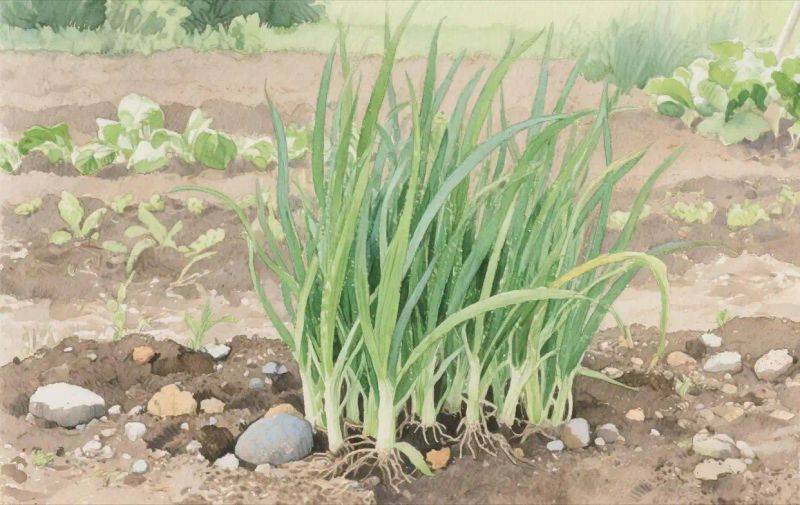
Cultivation methods: seeding can be used as a means of seeding, as well as the direct purchase of herring roots. If you're new, it's recommended that you buy a root, with a high rate of success and quick results。
Soil selection: fertile, lax soil, pneumatic fertilizer before planting, best decomposed farmers, 2000 - 3000 kg per acre。
(c) cultivation methods: if the root is removed, the root is divided into a small group, with 3-5 units per cluster, 20 centimetres and 10 centimetres between lines, and then water is poured out。
Management techniques: after harvest, fresh leaves are cleaned up in time for a quick-impact nitrogen fertilizer to promote new leaf growth. The soil is usually wet but cannot accumulate water。
(iv) onions
They grow their own onions and eat whatever they want。
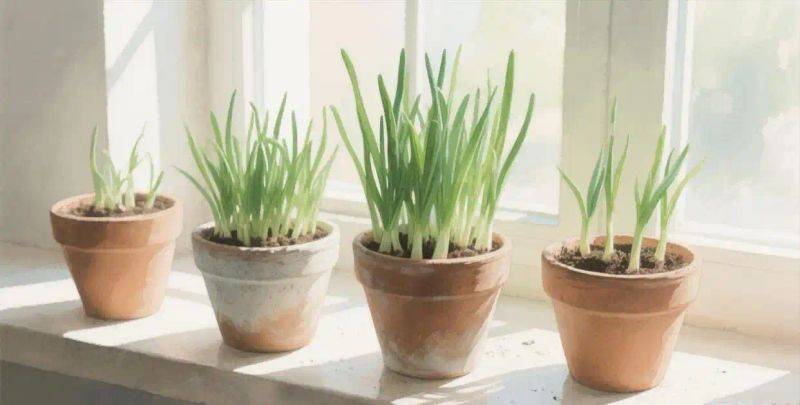
Cultivation time: seeding is possible throughout the year, but the best results are in spring and autumn。
Soil configuration: use of loose sandy sandy soil to increase soil fertility by adding an appropriate amount of curing organic fertilizer。
Seeding process: the seeds are spread evenly on the soil surface, covering a thin layer of soil, approximately 1 cm thick, and water is sprayed to stay wet。
Day-to-day conservation: during onions grow, the soil is kept dry and wet, not too dry and not too wet. When onions grow to about 10 cm, a combination of potassium nitrous phosphorus is applied once to promote root and leaf growth。
Spinach
Spinach is nutritious and simple。
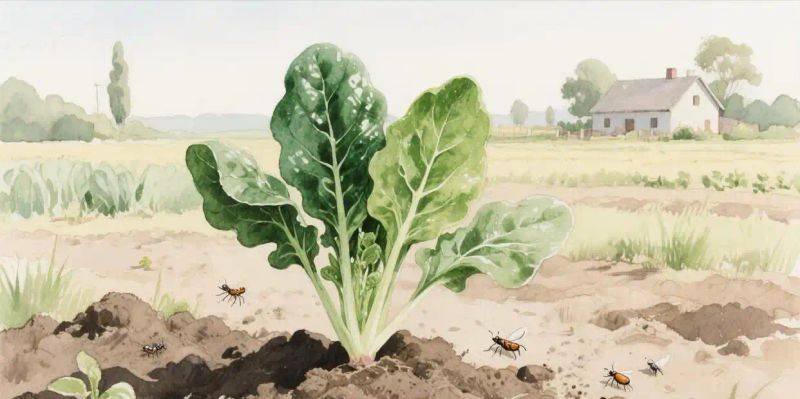
Cultivation season: autumn spinacht 8 - september, spring spinach 3 - april, and temperature sprouts at 15 - 20°c。
Soil treatment: deep-farmed soil, application of decomposition organic fertilizer, 1,000 - 1,500 kg per acre and raspberry。
Seeding methods: spinach seeds have a hard shell that can be immersed in warm water for 24 hours before seeding, then sprouts in warm places and wash them once a day with fresh water until they are replanted in white。
Field management: upon seeding and at time, keep a distance of 5 - 8 cm and avoid overcrowding. Live long-term pursuit of 1 - 2 quick-effect nitrogen fattening, promoting leaf fattening。
(vi) cullen
The fragrance is unique. It's a pen of many dishes。
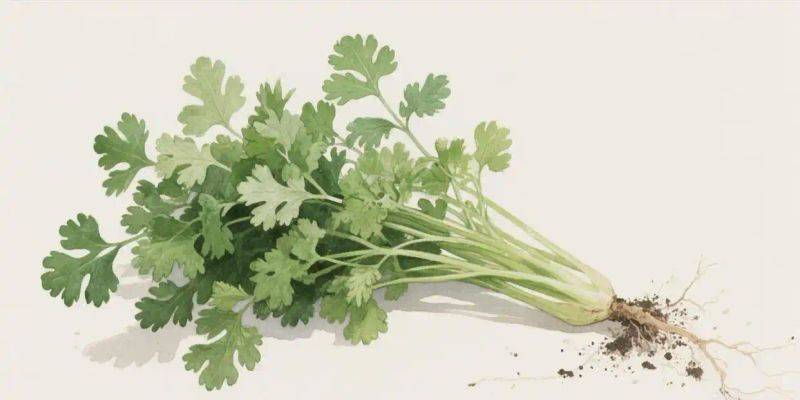
Cultivation time: spring or autumn planting, summer planting needs shade cooling。
Soil requirements: obsolete and water-preserving soils, ph values between 6. 0 - 7. 0。
The main planting point is to remove the fragrance seeds and immerse them in warm water for 20 - 24 hours, to leach them and sow them, covering a thin layer of soil and pouring them out。
Conservation methods: fragrances are unsatisfied with high temperatures, and summer is in the shade. The soil is humid for long periods of time to avoid drought, and some decomposition organic fertilizers can be applied appropriately。
(vii) wheat
Wheat is growing fast, with short cycles and suitable for lazy people。
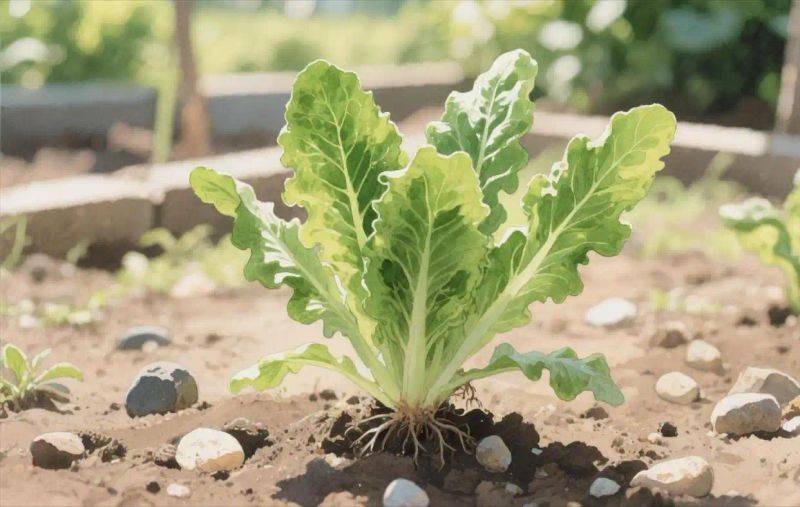
Cultivation time: cultivation is possible in spring, autumn and winter, and summer is required in a cool environment。
Soil configuration: fertile, estranged sandy soil, with a suitable amount of foliage and pearl rock to improve soil permeability。
The planting steps: planting the soil directly, sowing the soil lightly, so that the seeds are in close contact with the soil and then watering it。
Management thrusts: wheat and wheat are wet and the soil is humid for the long term, but not water. After growing 3 - 4 leafs, applying nitrogen to promote growth。
(viii) carrot (small varieties such as cherry carrots)
Cherry carrots are cute, short-lived, 20-30 days to harvest。
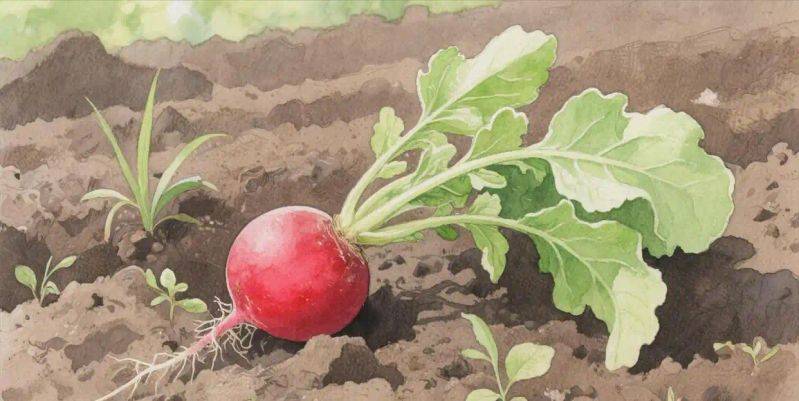
Cultivation time: sowing in spring and autumn, suitable for growth at 10 - 25°c。
Soil preparation: pine, fertile, well-drained sandy soil with appropriate levels of curing organic fertilizer before seeding。
The method of seeding is to sow between 1 and 2 seed grains per den at a distance of 5 - 8 cm, covering about 1 cm of soil thickness and water。
Conservation techniques: carrots require adequate light over a long period of time to keep the soil moist and avoid damp and drying to avoid radish fragmentation. The meat root swells and phosphate is applied once to improve quality。
Empty cabbage
The cabbage is hot and wet, flourishing and simple to manage。
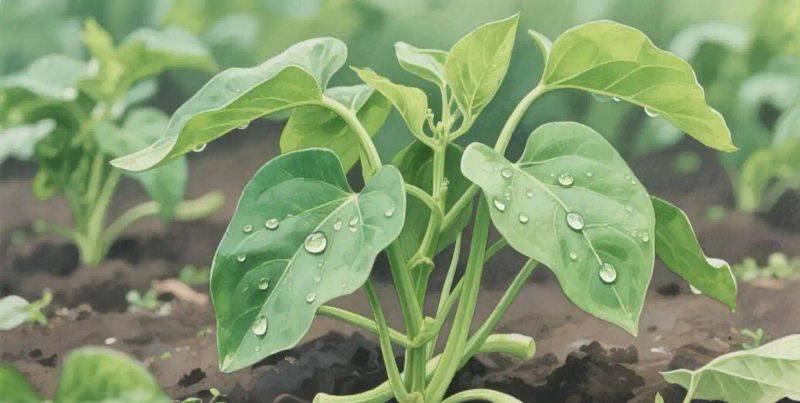
Cultivation time: the spring temperature is stable at above 15°c and can be grown until autumn。
Soil selection: fertile, water-preserving viscosy or border soil, pre-planting with pneumatic fertilizer。
Seeding methods: it can be broadcast live and it can also grow. The seed is scattered on the surface of the soil, covered with a thin layer of soil, so that water is poured out; and when seedlings are planted, the seedlings grow to about 15 cm。
Management methods: vacant dishes are water-friendly, often watered and soil moist. The growth of the leaves is facilitated by the long-term application of rotting organic or nitrogen fertilizers every 10 days。
(x) paprika
Short, spicy peppers are suitable for potting plants and can be seen and eaten。
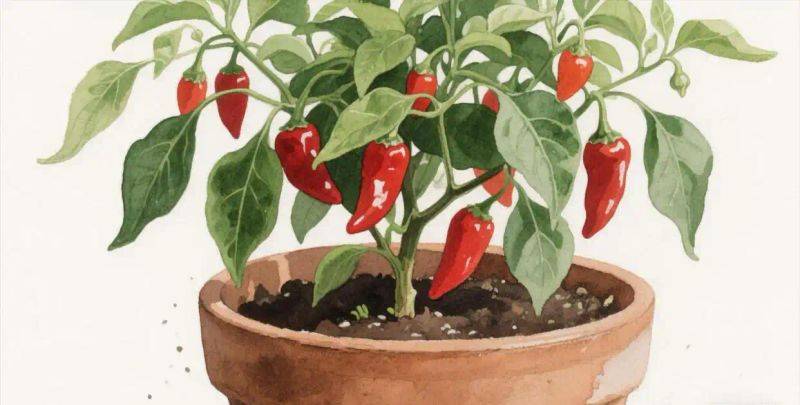
Cultivation time: 3 - 4 in the spring, and the temperature sprouts at 20 - 30°c。
Soil configuration: estranged and well-drained soil, which can be mixed by a ratio of lands, foliage and consumable organic fertilizer of 5:3:2。
Seeding processes: seeds are immersed in hot water for 6 - 8 hours and are sprung in warmth, seeded in white, covered with soil thickness of about 0. 5 cm and kept moist。
Conservation point: chili sun, in a place where there is plenty of light. Pumping of water for long periods of time, keeping the soil humid, and application of potassium phosphorus fat once after the fruit to promote the expansion of the fruit。
Iii. Lazy-nose gardeners
The principle of watering: most lazy vegetables are undying and watering is based on the " dry and wet " principle, i. E., the soil surface is drained and re-watered and watered, but water is not required。
Fertilizer techniques: the food that is grown is healthier, mainly based on decomposed organic fertilizer and less fertilizer. Fertilizer should be applied in a manner that avoids the burning of roots。
The light requirement: although it is lazy, it also requires a certain amount of light, which is usually guaranteed for 4 - 6 hours per day, depending on the characteristics of each vegetable。
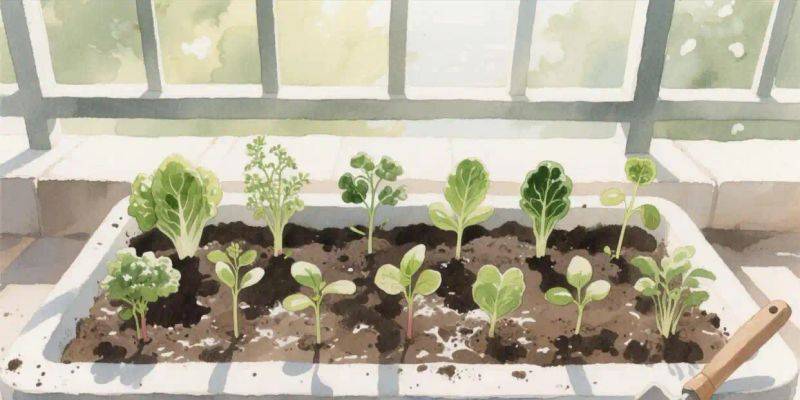
These 10 types of lazy vegetables have been tested by the agricultural institute and are suitable for new breeds. They're simple, they're good, they're good, they're good, they're good, they're good. Whether you're on the balcony, on the window or in the yard, you can open your own small garden. Let's try it