These problems have probably been experienced by vegetable farmers with bean bean bean horns, whether they are sporadically grown in courtyards or in large huts and open areas: the seed age is long, the flower is long, the flower is flowered in large numbers, the bean bean is bent, and the plant is dying early in the later stages. The first reaction of many people is that fertilizer is not applied enough, while watering is neglected as a central key point。
Beans appear to be easy to live, but they are extremely sensitive to moisture, which is rooted in developed but very poor flood resistance, and which varies from one life to another in terms of long-term demand for water, with more water, less, more early and later, which directly affects production and quality. Instead of being hard-pressed blindly water-watered, it is better to follow the cycle of bean-bean growth, to control the amount of water, the time and the manner in which it is watered, and to learn how to grow it, even if it is new, to grow high-yielding, good-eating, good-eating bean horns。
I. Cultivation of seedlings: pouring water through the bottom and producing water
The soybean seeding period is the basic stage in the planting of seedlings, and the watering of the core is ingrained at a later stage, ensuring that the seedlings are well and strong。
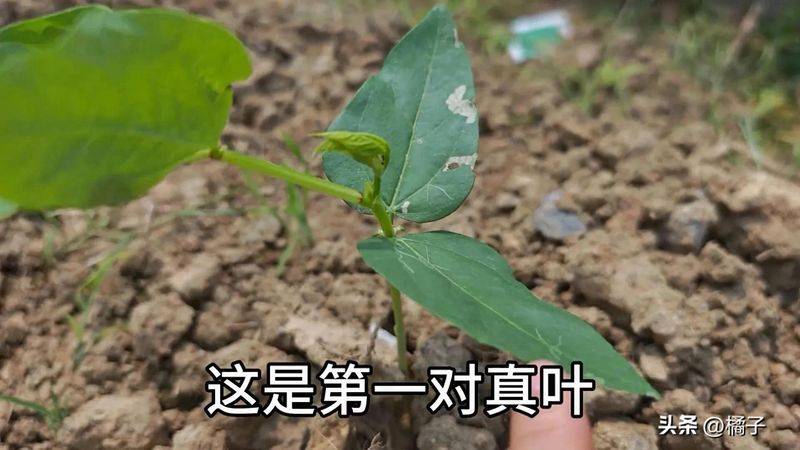
Whether seedling is broadcast live or before seedlings are watered, the soil is cultivated well ahead of time, the water is pumped up and drained, the bottom water is soaked once before seeding, the water reaches the 15-20 centimetres of the ground, ensuring that the soil is wet without water. The aim is to allow bean-fruit seeds to expand rapidly in a wet environment, smooth shellage to seed, and to avoid logistical watering before seeding, leading to soil sheeting, lower temperatures, poor seeding, slow seeding and poor seedlings。
The seeding covered 2-3 centimetres of thin soil as long as the soil was not extremely dry and water was not used until seedlings were produced. In the case of high-temperature weather, the soil surface is rapidly dry, and can be used for a small amount of spray fog from the canteen, so that the surface soil can be wet and the heavy water can be used. When all the seedlings of the soybeans are released, the leaves are fully spread and the first leaf is revealed, and the soil moisture is observed, if the soil is drier, water is poured again to help the seedling to stabilize its roots, which is also called “sapling water”, the water must be small and light-watered along the roots so as not to wash down the seedlings。
During this period, many vegetable farmers are prone to mistakes: frequent watering and wetting, resulting in oxygen deficiency in the seedlings, the emergence of rooting roots, the thinness of the seedlings and the difficulty of producing at a later stage. In turn, all pulses, such as four seasons of beans, beans and soybeans, are grown during the seeding period in accordance with the principle of “water-watering, seedling-free” and can be effective in raising the rate of seedlings。
Ii. Plumbing period: control of water and promotion of protection long
When the soybean seedlings grow two or three leaves, they enter the crouching period, which is a critical stage in determining the capacity of the soybeans to follow in flowering, with the core of the water being strictly controlled, protected from wetting, and the promotion of rooting。
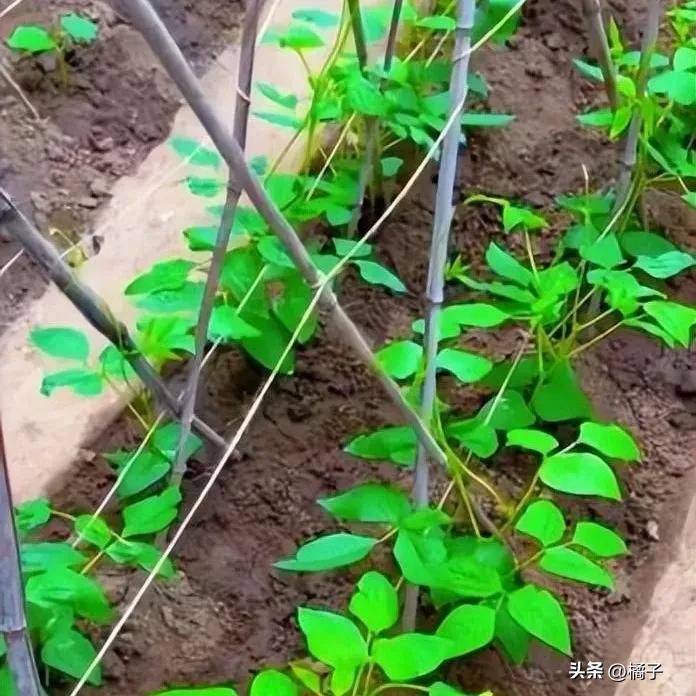
Small amounts of water are required during the bean-bearing period, when temperatures are low, the plants are low in evaporation, frequent watering allows the seedling to grow leaves, not root systems, prototyping, thinness, excessive stasis, and subsequent periods are long and untidy. The correct approach is that, as long as the leaves of the seedlings are not aging and the soil surface is slightly white, there is a strong determination not to water, and through moderate drought, the root bean is forced to grow deep into the soil, to form a developed root system and to store nutrients for later flowering。
In general, the filament period lasts 15-20 days, during which a small atrophy of a seedling occurs in the middle of a continuous sunny day, and a small water can be poured before 10 a. M. On the morning of the sun. The amount of water is suitable for the wetting of the soil around the root, so as not to overflow with the water. In the event of rainfall, the timely clean-up of drainage ditches in the fields and the avoidance of water accumulation in the fields for more than four hours can lead to a lack of oxygen in the seedlings, causing a decomposition, disease and death。
The water control techniques of this stage are also applied to the seeding periods of melons such as cucumbers, cucumbers, pumpkins and pumpkins, with moderate seedling control of the water, which can effectively avoid the planting of long-lived plants, promote the splitting of buds and lay the foundation for high yields. Many vegetable farmers, who are sick, are afraid of the frequent watering of drought and seeming well, have destroyed the very basis of high production, bearing in mind that “the first step to high production is to control water”。
Iii. Equipment: equipment and strengthening
When the seedlings grow to about 30 centimetres and start to smoke chickens, with the need to build chickens, they enter the upper shelf of the chicken, at a time when the plant is growing faster, the amount of leaves is increasing, the amount of water required is slightly higher than the length of the stay, and the core of the water is dry-wetting, small-water indigence and assisted chickens。
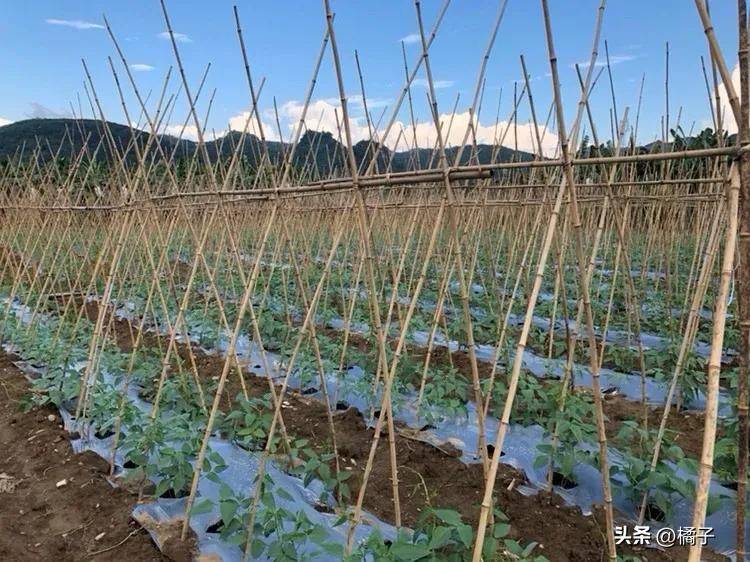
In this period, the bean horns require both a long leaf and a reptile of vines, and they begin to divide into buds, which are weak and less divided by insufficient moisture; excessive moisture continues to grow, delaying the flowering. The application of the “dry and wet soil” principle, i. E. Whiteness of the soil surface, microdrive of the soil by digging down three to five centimetres, watering the soil, half-drinking each time, and maintaining soil moisture at 50-60 per cent。
Watering times are preferred in the morning or evening of the sun, avoiding periods of high noon temperatures, when water is close to the temperature, does not stimulate the root system, is well ventilated in the fields and reduces the incidence of disease by reducing the exposure of leaves and the probability of disease. It is recommended that small water be poured, dripped or lanterned to avoid heavy water spilling and to prevent the brushing of roots and damage to vines。
At the same time, it is necessary to water the chickens during the course of the chicken season in conjunction with the frame to attract the chickens, so that the vines are evenly distributed on the shelf, so as to increase the ventilation of the field and reduce the evaporation of the water, and so as to avoid the entanglement of the vines, which affects the flow of moisture and nutrients. For bean horns grown in the field, it is essential to have proper drainage during the rainy season, so as to “dry the rain and dry the water”, which is common to all reptiles and vegetables, with drainage in place, in order to avoid rotting roots and widespread disease。
Iv. Flowering seasons: abundant water, small water effort, falling flowers
From the flowering of the bean beams to the abundance of curds, the most water-intensive and critical phase of the whole reproductive period, the core of which is steady water supply, small water effort, soil humidity and the elimination of dampness。
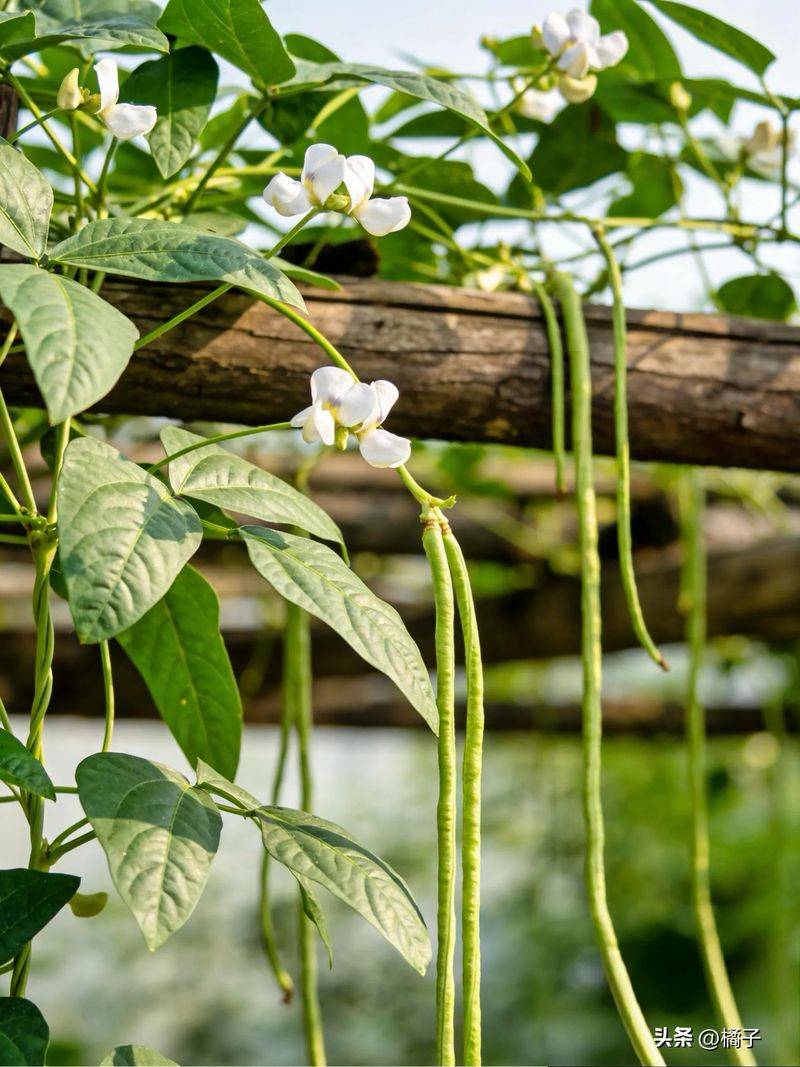
In the early stages of flowering, the buds are gradually blooming, when the water is watered in a moderate manner, without heavy water during the first flowering period, and without the sudden increase of the water that would cause the flowers to fall off, only once when the soil is drying up, small water is poured and soil moisture is maintained. By the time the first acupuncture is 3 to 5 cm, the bean bean is at its peak and nutrients and water consumption increases dramatically, water must be increased and soil moisture must be stabilized at 60 to 70 per cent。
In general, water is poured over three to five days during a condensation period and can be poured over two to three days in high-temperature dry weather, with each water being poured out without water, and in a small and indigence manner, avoiding one-time flooding. If the soil is drier and damp, it can lead directly to the fall of flowers in the bean corners, the stunting of juvenile acupunctures, the appearance of bends, deformations, rat tails, and serious effects on yields and sales。
Water should be distributed in such a way as not to pour directly on flowers and calves and to minimize the impact on them by pouring roots along the gutter. At the same time, water should be watered during the condensation period in conjunction with the pursuit of fattening, each time followed by the application of high potassium compound fertilizer, or the spraying of the phosphate potassium + boron on the side of the leaf, which is synchronous to the water, so that the bean horns are so many and straight that they are full。
Vegetables such as tomatoes, peppers, eggplants, etc., are treated with “stabilized water supply, small water draught” during the outcome period, avoiding dryness and dampness, which can significantly reduce the problem of falling and deforming fruit and improve the quality of fruit。
V. Post-fault: water conservation, protection against early decay and harvesting
At the end of the soybean season, there was an increase in the number of old leaves under cultivation and a gradual decline in the vitality of the root system. The water core was moderate water control, preservation of roots, and slowing of the premature decay of the plant。
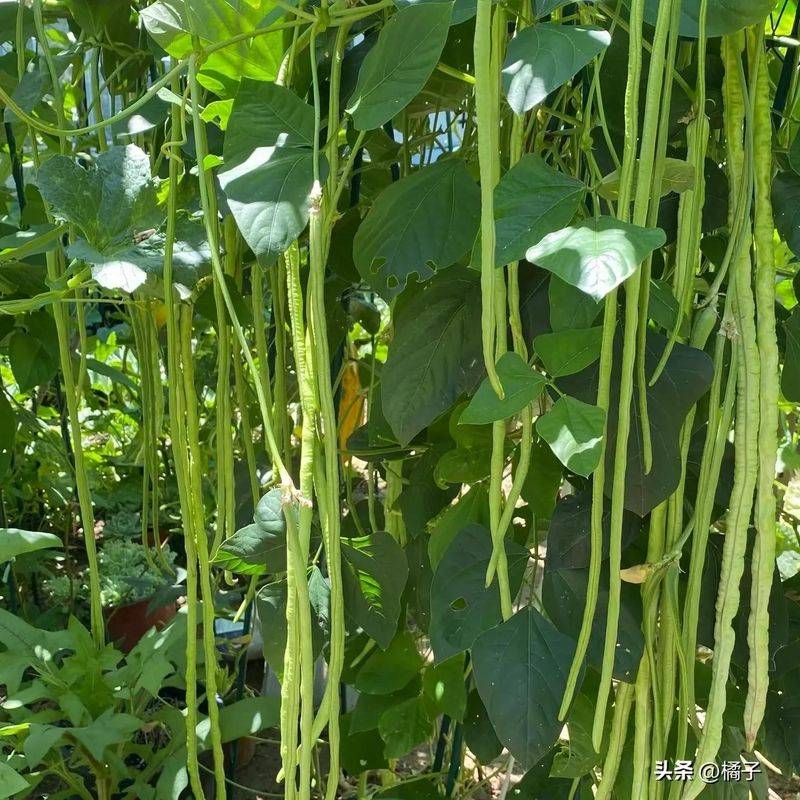
If the period continues with heavy watering, the soil is very wet and the roots are stymied, the roots are prone to aging and decaying, the plants are fast yellowened and the harvest period ends early, and if there is excessive drought, the nutrients are not supplied enough, they will stop and die early。
The correct approach is to reduce the number and amount of water being poured appropriately, to water once in 5-7 days, to keep the soil micro-humid, to allow the root system to breathe with sufficient oxygen and to maintain the vitality of the root system. At the same time, the timely removal of old, sick and yellow leaves from the plant, the enhancement of ventilation in the field and the reduction of water evaporation can also reduce the growth of the disease。
In the event of continuous rainy weather, the water is stopped, the soil is released in time for the rain, the soil is improved in aerobics and the roots are prevented from aerobic deficiencies. Through rational water control, it is possible to effectively extend the soybeans harvest period by 7 to 10 days, with an extra pick-up of soybeans to increase overall production。
Vi. Comprehensive comprehensive principles for responsibility to leave all quites
1. Watering is timed: the year-round preference is 9-10 a. M. Or evening watering, winter, early spring avoids cold mornings, summer avoids high noon temperatures and protects root systems from stimulation。
2. Water should be distributed in the right manner: it should be strictly prohibited, priority should be given to dripping, showering and watering, avoiding the accumulation of roots, and it should be necessary to raise ups and dig deep trenches so that drought and flooding can occur。
Water temperature should be appropriate: water should be watered to the extent possible from wells or pre-soiled water to avoid excessive differences between water temperature and temperature, damage to root systems, and affect plant growth。
4. See the heavens and earth when they pour water: rain does not rain, water does not rain, it does not rain, it does so much so in the clear; sandy soil does not keep water, it does so hard; it does so with less and less gash; and it does so with a leaf。
Many vegetable farmers grow bean horns and water them blindly throughout the course, either with more or with fewer flowers and with low production throughout the season. It's not that difficult to grow bean bean horns, as long as they control water, water, water, water, fertilizer, so that bean bean bean bean vines can be thick, flowered and soaked that they will not be sick from beginning to end, less flowers will not be cut out。
Whether they grow their own vegetables in small homes or grow them on a scale, the method of long-term watering on a living basis can be applied directly, easy to understand and clean, avoiding all areas where water has been lost and easily yielding a high yield of beans。
The present paper only shares experiences with water-watering practices for bean-fruit cultivation, which needs to be adapted flexibly to local conditions, depending on the soil, climate and environment。