In rural areas, there are no families without beans。
The reptiles are fast, clean, harvest long, and grow from summer to autumn, with cuisine, stew and dry beans。
But many of the old folks grow bean horns, but they're always in trouble:
(a) the planting is early, the temperature is low and the seeds are dead
(a) the planting is late, the heaters are long, the flowers are small, and the seed is thin
Either the seedlings are mixed, half of them are weak and half of them are pedestals, and they do not grow much for a season。
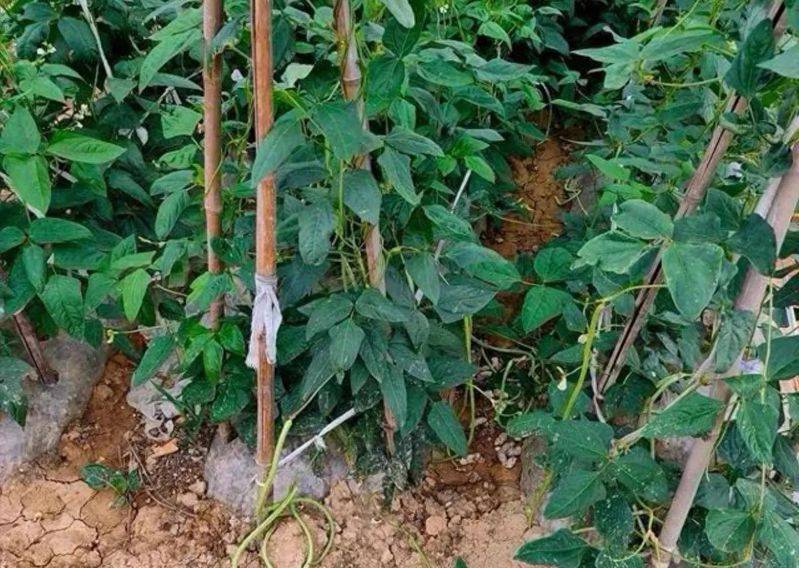
In fact, the bean growers do not have to rely on luck at all, and they do not have to sow, and the old vegetable growers do so with a great deal of time, time and discipline. They don't have to put on fertilizers, manage them with great care. They do so in the same way as they do, they do so in the same way as they do in the same way as they do in the same way。
First, remember: the best planting time for bean bean horns
Bean horns are warm, cold, cold, cold, so don't rush。
Springtime
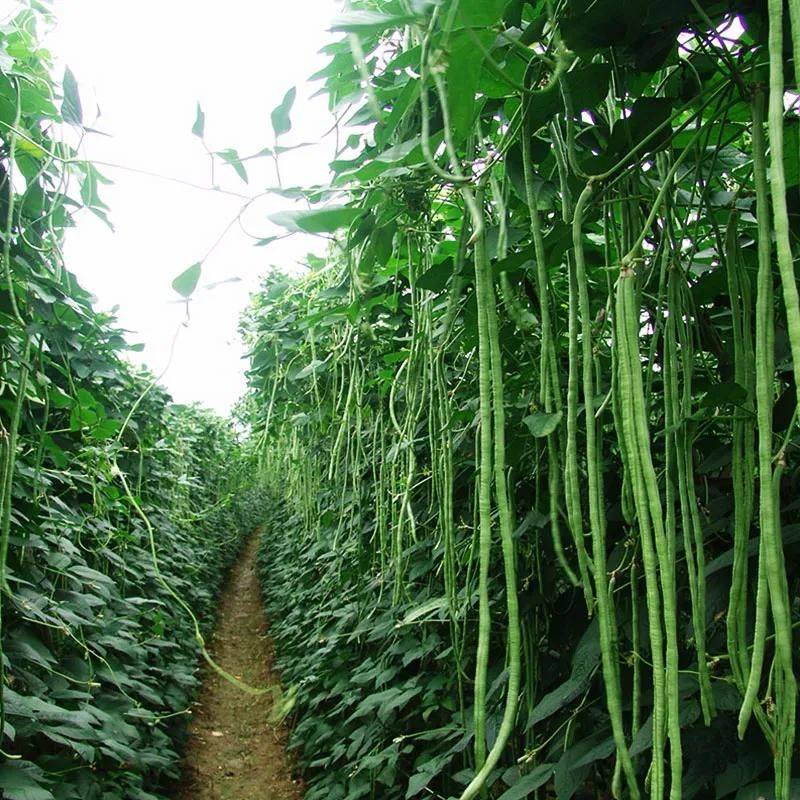
It is most appropriate that the temperature stabilizes at more than 15°c and sows before and after the rain。
It is too early to sow, with high temperatures and cool soils at night, seeds that are easily fertilized, unscathed, even when they are produced, and are not available for long periods。
Summer time
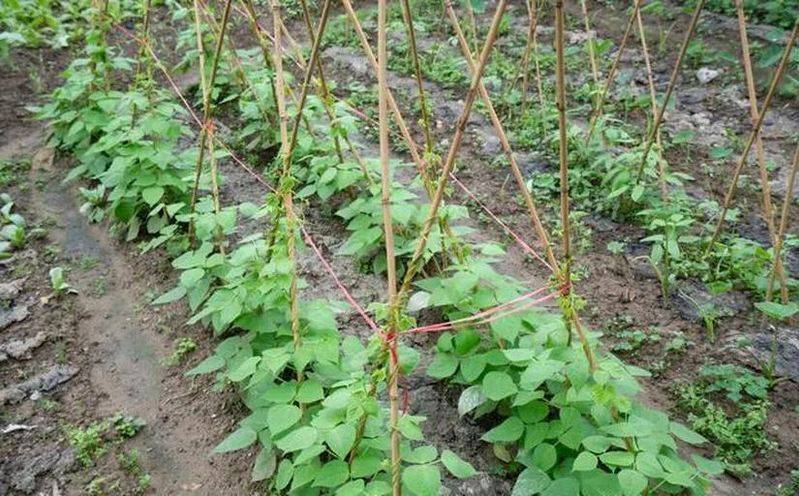
(a) nacchan: planting before and after the summer to kama
Autumn bean horns: the most suitable plant in the week before or after the fall。
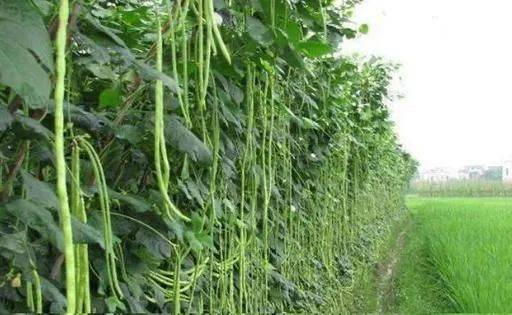
It avoids the heat and heat of the three-volts, the cold of the autumn rain and the dark of the sun, and it leaves the ground with little or no disease。
Remember the old saying:
It's not too early for qing ming, it's not too bad for rain to grow on the bean horns, and it's half as good as under this node。
Ii. The old vegetable's one-size-fits-all: impregnated seeding, fast-growing and full-scale
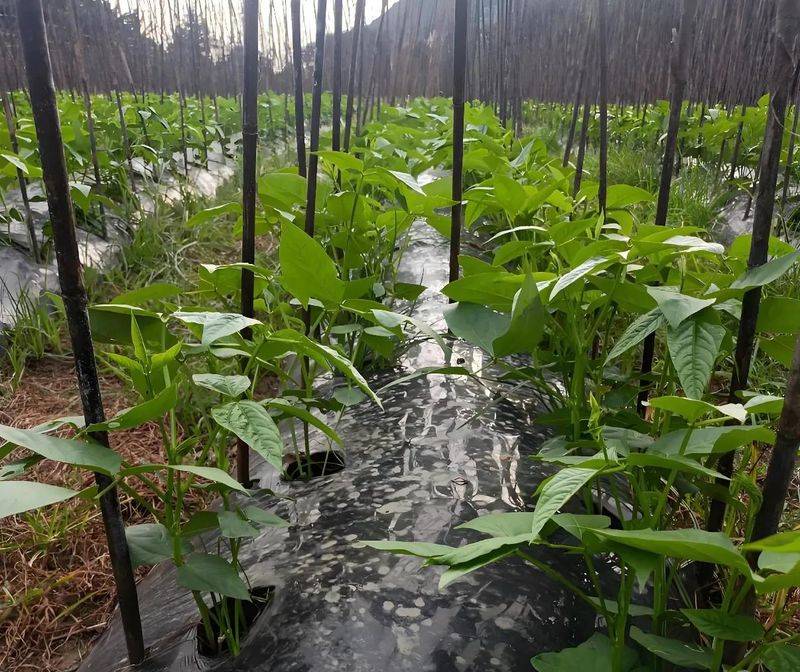
Many people go down to dry seeds and grow from the sky, slowly and thinly, and are vulnerable to insects and rain。
It's a simple move
1. Selection of bean-fruit seeds filled with insect-blind eyes and removal of seed and bad seed
Insulated with approximately 30 degrees of hot water for four to six hours, so that the seeds are saturated
3. To leach out, wrap it in wet gauze and seed it in the cold and warmth
4. When the seeds are white and small white dots appear, they are broadcast at a later location。
The benefits of this move are obvious:
It's three to five days before the dry seeds
It's perfect. It's clean
It's good. It's not rigid. It's not yellow
Fight against the cold, don't take root and die
Three, three little details of the bean horns. I can't get rid of them
1. Start-up cultivation without water
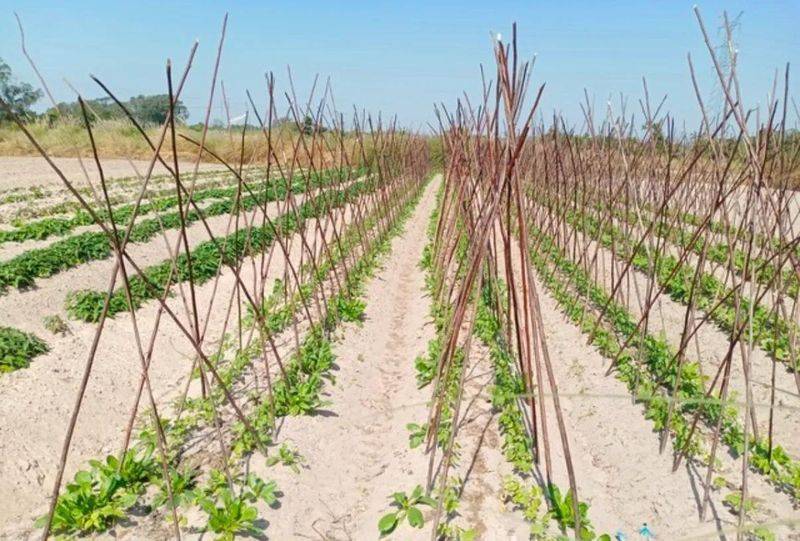
Bean horns are the most afraid of flooding, and they are easy to root. Small high-spruce seeding, draining air, deep roots, strong vines。
2. Be less dense
Two to three seeds per den, with enough line distance to keep them together. It's too airy, it's dark, it's long and it's prone to disease and pests。
3. Early mating, early pimping
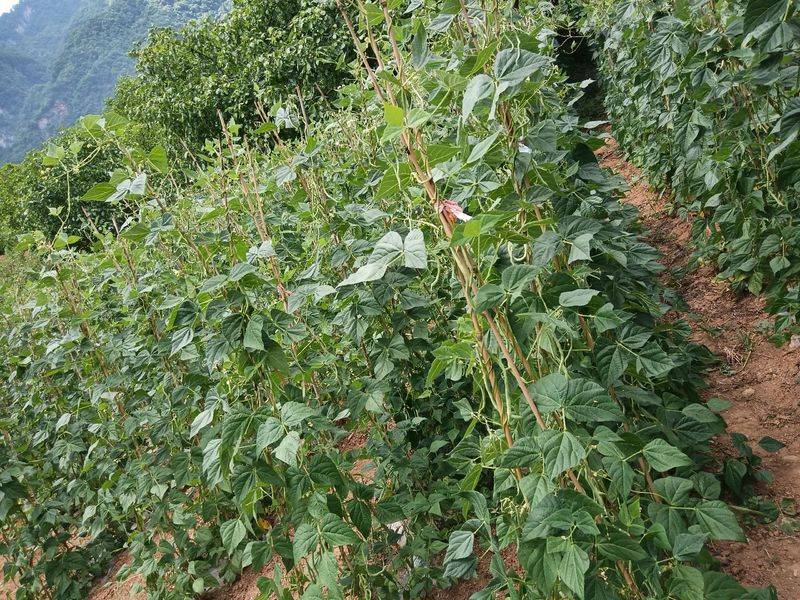
Sumi grew up to about 20 centimetres and put up a pole, a shelf, and a chicken. The vines crawl up the shelf, the air is full, there are many branches and flowers, and a string of bean horns is full of racks。
Iv. Fertilizers are well practiced

Less nitrogen fat in the front of the bean bean, less urea, and more than a half an hour。
Bottom fertilisation is based on decomposition and organic fertilisation
(b) plumbing of potassium phosphate during flowering seasons, with less water and less water for flooding
Each pick of a soybeans, with a small amount of fatting, can continue to congregate, with a single round falling apart。
Summary
Bean horns are not the sooner the better, and they're not just seeding。
When you soak up the air and sow the hot water, then you'll be able to grow, build up and fertilize properly, you'll be able to grow and grow, you'll be able to climb up, you'll be able to grow up, you'll be able to grow up, you'll be able to eat, you'll be able to pick up, you'll be able to eat, you'll be able to eat。
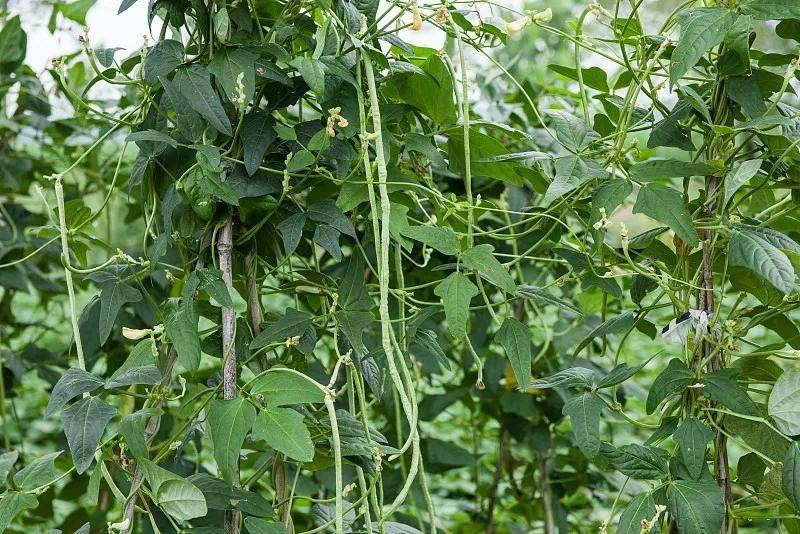
Did your family grow bean horns in the past with the same time lost? This year, you might want to try the old vegetable approach, save yourself and be productive。
You're welcome to talk about your bean horns。
A sweet hint
The north-south climate is different, so the planting time can be fine-tuned to local temperatures before and after; the temperature is above 15°c and sowing is not blind。
This paper is a sharing of experiences in rural farming and is intended only for the information of vegetable farmers。