


With the rapid development of technology, building-intellectual engineering technologies are becoming an important component of modern construction. This technology not only enhances the efficiency and security of building management, but also provides great amenities and comfort to people living and working environments. This paper will explore in depth various aspects of building-smart engineering technologies, including technology profiles, core systems, safety, energy conservation and environmental protection, market prospects and future trends。
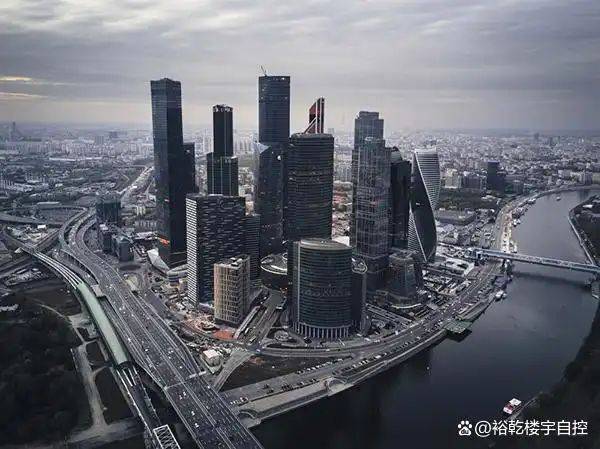
Map of the building's intelligent engineering technology
I. Overview of the electronic equipment technology
Building-intellectual engineering technology refers to the integrated management of various equipment within the building through modern information technology and automated control technology to enhance the efficiency and autonomous management of the building. This technology, which is applied mainly to various premises such as office buildings, commercial buildings, hotels, hospitals, etc., covers areas such as intelligent lighting, air conditioning control, security surveillance, fire protection systems, energy management, etc。
In a smart building, systems are connected through the network and are monitored and managed in real time. Building-intelligence engineering technologies not only improve efficiency but also reduce management costs and achieve higher levels of resource utilization。
Ii. Analysis of the building's intellectual engineering core system
1. Smart lighting systems
Smart lighting systems are an important component of building-intelligence engineering technology. Using sensors and control equipment, the system is able to automatically adjust light levels to environmental light and reduce energy consumption. At the same time, combined with human flow monitoring, the system is able to automatically turn off some of the lights when no one is present, further improving energy efficiency. The data could also be integrated through large data analysis techniques to facilitate subsequent decision-making and management。
2. Central air-conditioning control system
Air conditioning accounts for a significant proportion of energy consumption in the buildings. Building-intelligence engineering techniques allow for the central management of air conditioning through smart control systems. The system allows for temperature monitoring, moisture control and air quality testing to ensure comfort in the indoor environment. When combined with weather forecasting data, the system can even predict and regulate temperatures in advance and optimize energy use。
Security and surveillance systems
Security is an essential part of building intelligence. Building-intellectual engineering technology is integrated into video surveillance, door-to-door systems and fire warning systems, allowing for 24-hour uninterrupted security control. Modern surveillance systems are often equipped with advanced features such as face recognition and abnormal behaviour analysis, which greatly enhance the intellectual level of safety protection。
4. Fire protection systems
Fire intelligence systems monitor fire hazards on a real-time basis through smoke sensors, temperature sensors, etc., alerts are issued and emergency channels are activated as soon as anomalies are detected, and building intelligence engineering techniques buy time for evacuation. At the same time, the system can also be linked to other systems in the building, such as the automatic start-up of the smoke-smoke system, spray, etc., thereby improving the overall security of the building。
5. Energy management systems
The energy management system in building intelligent engineering technology is the “neurological hub” of the building. By collecting energy consumption data for various types of equipment, real-time analysis of energy use in buildings helps managers to develop rational energy use strategies. This technology not only effectively reduces the operating costs of enterprises, but also provides new ideas and pathways for environmental protection。
Iii. Technical security and intellectualization of buildings ' intelligent engineering
Building-intellectual engineering technology has been particularly effective in improving safety. Through real-time monitoring, automatic alarm and system-connected mechanisms, the security system is able to respond to potential hazards within the first time. For example, when a fire occurs, an intelligent system is able to automatically activate the fire extinguisher and direct the rapid and safe evacuation of personnel. In addition, integrated management platforms allow construction operators to have real-time access to building safety and to respond to security risks in a timely manner。
Iv. Importance of energy conservation and environmental protection of buildings'smart engineering technologies
Building-intellectual engineering technologies also play an important role in energy conservation and environmental protection, as global attention is increasingly focused on sustainable development. The application of various smart systems has significantly increased energy efficiency in buildings and reduced the burden on the natural environment. For example, through scientific management of air conditioning, electricity and lighting systems, energy consumption in some buildings can be reduced by more than 30 per cent. This is not only consistent with the policy requirements for energy-saving emission reductions, but also helps enterprises to save significant operating costs。
V. Market prospects for building-smart engineering technologies

The market for intelligent engineering technology in buildings has been expanding in recent years and has received attention from various sectors, both within and outside the industry. According to market survey data, the smart construction market will maintain an annual growth rate of 10-15 per cent in the coming years. This trend has given rise to the emergence of many related enterprises, increasing competition and technological innovation becoming central drivers of market development。
The promotion and application of smart architecture has also entered the strategic planning of the government, and building-smart engineering technologies have advanced the construction of eco-civilization and the development of green buildings has become an important agenda for the government. As policy support and market demand increase, building-intellectual engineering will provide greater development opportunities in the future。
Vi. Future trends in building-intellectual engineering technology
The future of building-intellectual engineering will depend more on the integration and innovation of emerging technologies, such as big data, iot and ai. Greater precision in building management and the provision of personalized user experience will be achieved through large data analysis and connectivity of material networking devices. Artificial intelligence, on the other hand, has brought new applications to the building's intellectualization, and intelligent decision-making and automated management will become the new normal for building management in the new era。
In addition, with the spread of 5g technology, smart architecture will enter a completely new phase. Higher network speed and lower delays will drive interconnectivity of building in-house equipment, and building-intelligence engineering technology will provide strong support for intelligent management, making building management more efficient and accessible。
Concluding remarks on smart engineering for buildings
Building-intellectual engineering technologies are playing an indispensable role in modern buildings with their excellent performance and vast applications. Through the implementation of smart technologies, buildings not only improve management efficiency and safety but also contribute positively to energy conservation and environmental conservation. In the future, as new technologies continue to advance, the intellectualization of buildings will continue on the path towards harmonious coexistence between people and buildings。

Free access to updated programme offers
Professional consultants serve one-on-one
Open 100 degrees app
Scanning now
Make an appointment immediately
Click to get the latest building-controlled solution free of charge and view successful cooperation cases



