Samba is an important fibre crop in the tropics and is widely used in the manufacture of products such as boat cables, steel cores, advanced carpets and polishers. At the same time, it has been classified as a national strategic material whose production and quality are not only related to socio-economic development but are closely linked to the construction of national defence。
At present, disease is one of the major constraints on the development of the swordsman industry. Therefore, the development of new, high-yield, disease-resistant varieties is important for increasing the production of swords and safeguarding the virtuous development of the swords and swords industry。
After more than 70 years of turnover and development, we have now entered the initial stage of the design of breeding, which has begun to produce efficiency improvements。
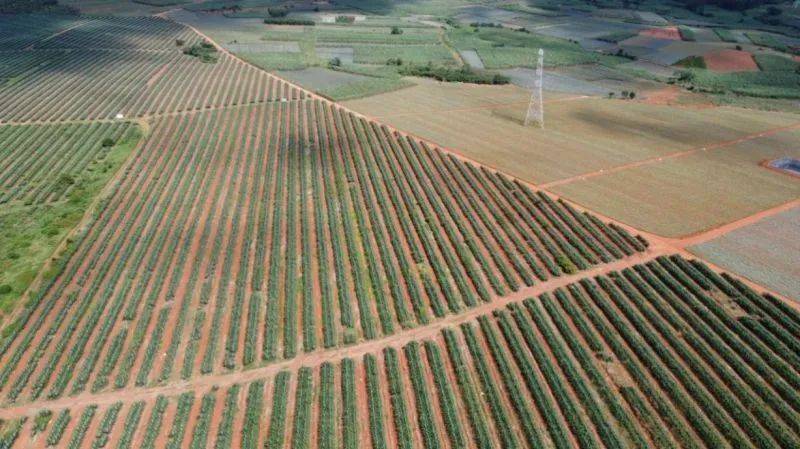
Swordsman production base
The origin of the sword was mexico, where it was introduced in the 1950s and 1960s. In the 1950s, the country's main plant varieties were pheasant, with low yields and poor fibre quality, with only 225-300 kg/hm2 of single production; and in the 1960s, with an increase in production and quality, with 450-750 kg/hm2 of single production, the vulnerability of winter to physico-leaf diseases has to some extent limited the production of swords. During the same period, the country began to promote the “twilight brethren 11648” (h. 11648), whose production increased exponentially, reaching 4,500 kg/hm2, four times the world average, and rapidly becoming the main plant species of the country。
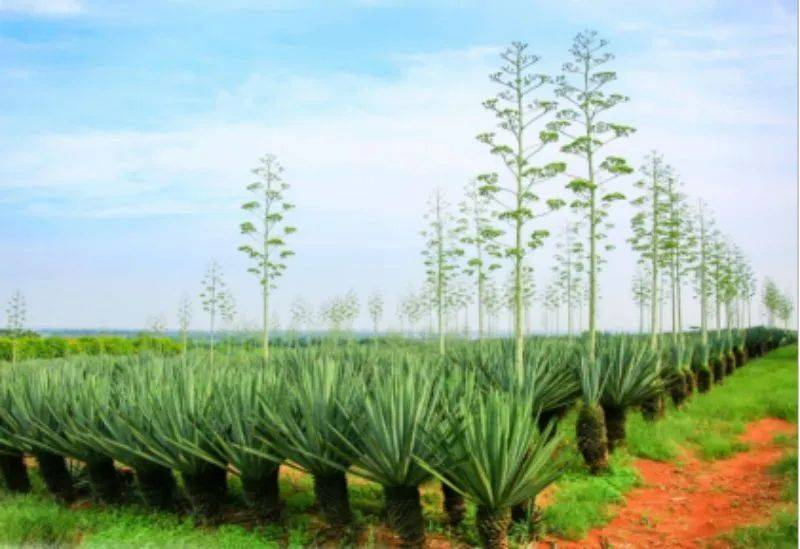
H. 11648 swords and swords breeding base
Although h. 11648 is highly productive, it is prone to zebra, stasis and purple leaf disease, among which the outbreak and prevalence of purple leaf disease has led to a reduction in sammy production and a reduction in economic efficiency, which has led to a significant reduction in the area under cultivation in our country。
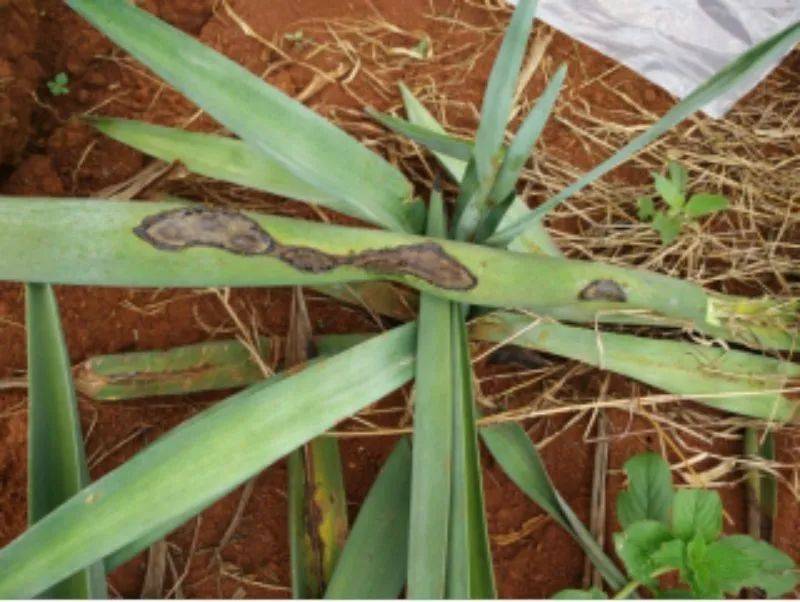
Zebra
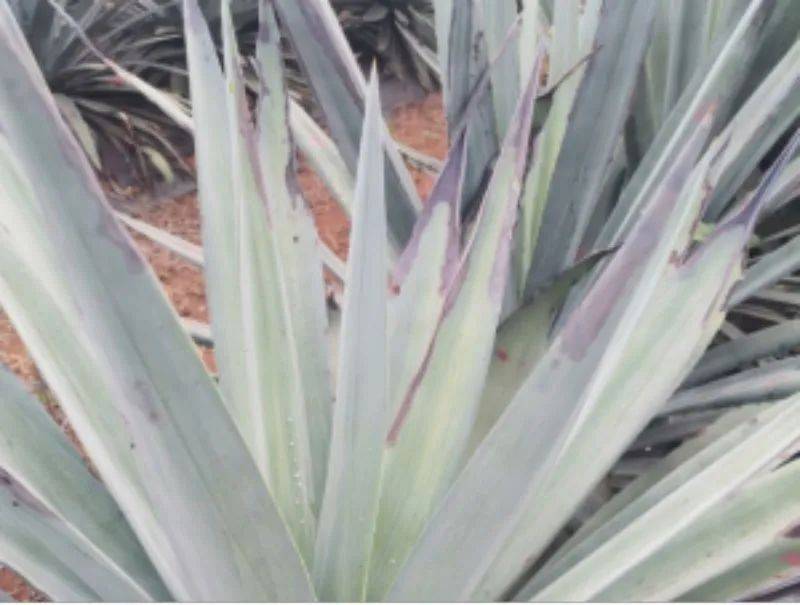
Purple leaf disease
In order to address these problems, agricultural scientists have been active in the use of hybrid breeding, radiation mutagenic and mutagenic breeding techniques, which have developed the varieties of fast-growing, high-yielding, anti-zebra and stasis 16, 368, 27, 74 and 109, and 76416, 114, pyrolytic 1 and south asia 2。
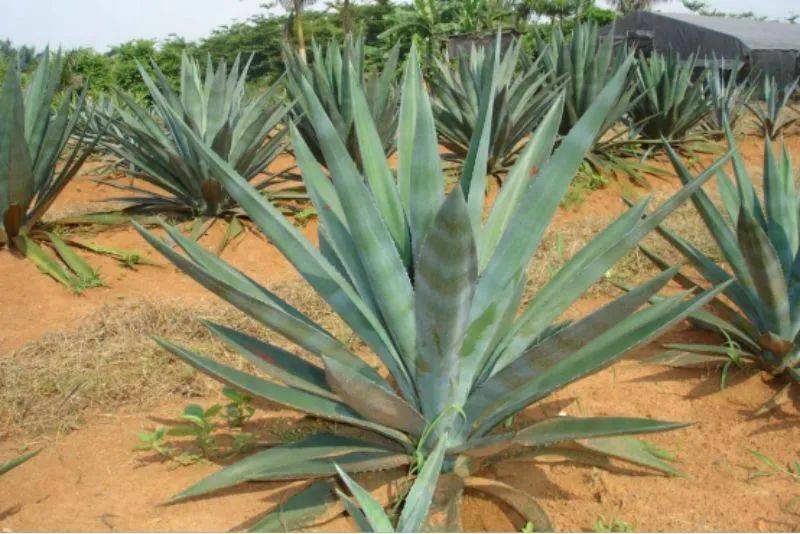
Swordsman 114
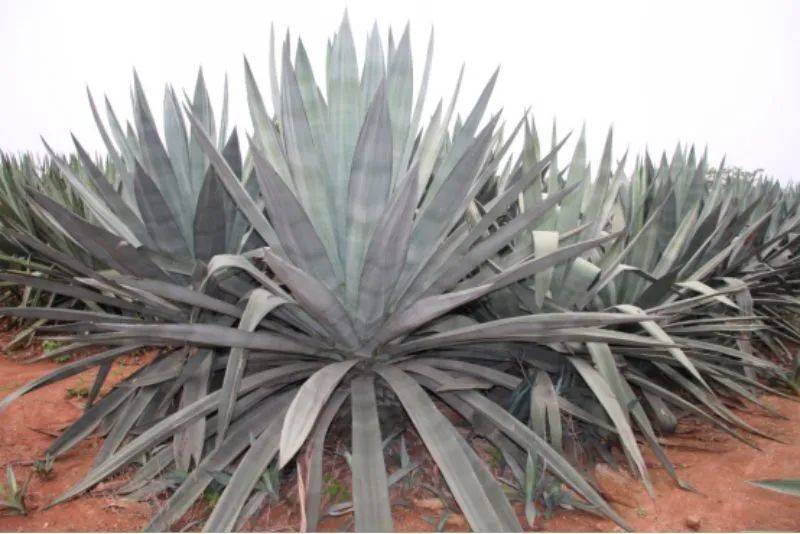
Hot sis 1
However, as a result of the multi-year production of single flowering plants, it is common to spend 10 to 30 years, and the above-mentioned disadvantages of the long life cycle of conventional breeding, the slow pace of genopurification, the inefficiency of hybrids and the poor accuracy of improved sexual properties。
In recent years, biotechnologies, such as single-fold sports, molecular markers and genetically modified breeding, have been used successively for the improvement of the swords and swords variety, which has greatly enriched the techniques of swords and swords breeding。
Shortening swords and swords breeding cycle through single-multiplier induction techniques
The single-multiple sports species of swords and swords are developed using tissue culture techniques for pharmacological or small spores, which induce male mates to develop into single-multiple strains. A single multiform plant is doubled by the chromosome to obtain a pure, stable, normal and solid double plant, and a new species of swords and swords can be acquired by means of sexual identification, reducing the growth of new species from the traditional 10- to 20-year period to 8-10 years, accelerating the breeding process。
A single-body induction technique is used not only to develop good probity and to acquire pure probity, but also to develop probate probate hybrids that bring together good parenting and stable genes。
The swords research team of the south asian crops research institute of the chinese academy of tropical agriculture (sata) has now achieved a single multiplication of h. 11648 and arcty tequila。
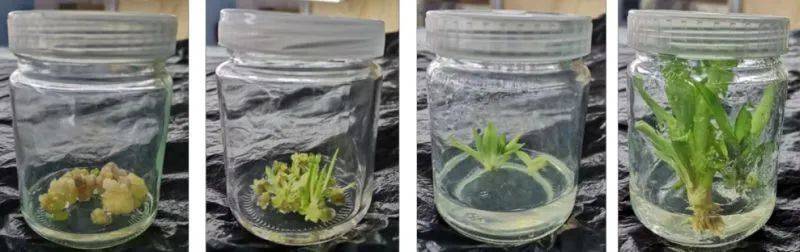
Sword and vasectomy
Using molecular marking techniques to improve the accuracy of samen breeding choices
During serma breeding, biological and chemical analysis or induction tests are required for production and resistance to disease under conditions。
The long duration of the swords and the inability of some sexual traits to be tested in childhood, the selection of the sembrane species of excellent character are like opening blind boxes, increasing the time and workload of subsequent breeding. To increase breeding efficiency, the sms research team in south asia has introduced molecular marking assistive breeding techniques。
Molecular markers assistive breeding is a dna marker designed to control the target-type gene, which is closely linked to the target-type, and so long as the target dna sequence is detected in the selected plant, it means controlling the presence of the target-type gene and enhancing the accuracy of the selection. More often than not, tags such as indel, ssr and snp are used。
The swords research team of the south asia institute has now developed high-level molecular markers linked to resistant genes such as zebra-stripping, purple-leaf resistance, fibre content, which have greatly improved breeding efficiency and precision, as well as molecular markers for the identification of hybrid offspring and the development of fingerprint mapping of seed resources, and regulated the collection and evaluation of swordsman mass resources。
The use of genetically modified technology to direct the improvement of swords and sis
Because of the nearly 80 per cent share of repeat sequences in the sember genome, the inefficient exchange of effective genes in hybrid seedlings, the high base of hybrid offspring, the heavy work of nurturing, the uncontrollable direction of mutagenic breeds and the high mortality rate, the problem is highlighted. Thus, the targeted transfer of genes that control quality (e. G., resistance to disease, high productivity, quality, resistance, etc.) through genetically modified breeding techniques can significantly increase breeding efficiency。
Through techniques such as the construction of hybrid groups, genetic mapping and qtl, the swords research team in south asia has positioned the relevance of sembrane fibre production, zebra resistance, violet resistance, etc., and is currently conducting a systematic validation of the functions of candidate genes, which will be applied to semper-modified genetic breeding。
The organic combination of different breeding techniques in serma breeding has solved many breeding difficulties. We are convinced that, as new bioculture technologies continue to evolve, we can take full advantage of the precision, efficiency and intelligence of bioculture technologies to promote efficiency gains in the swords industry and to make a positive contribution to the battle to win the seed industry。
Submitted by: yang zhiping (director and associate research fellow, south asian crops research institute, chinese academy of tropical agriculture)
Plan: wuxi
Integrated: huang bing
Audit expert: zhou wenzheng (researcher, south asian crops research institute, chinese academy of tropical agriculture)
Supported by: china tropical crops society, horticultural professional committee, south asian tropical species quality resources garden, guangdong province

Content resources provided by project units