The roof garden selects plants like hats on the house -- both to look good and to "capable" the sun, wind and thin ground on the roof. As a stranger, share a list of ground-gas plants to help you avoid 90% of the pits:
First, the roof plant is a "hard indicator of survival": sunless, non-blowing, shallow
The top of the building is bright (summer surface 50°c+), wind is high (level 2-3 above ground), soil is thin (usually only 30 cm), and plants have three “hard nuclear capabilities”:
Drought-resilient “hard man groups” (areas suitable for sun-burning all day)
The lazy are chosen:
Flavia: an aunt below has planted a piece of it, it has not been watered all summer, it has been tanned and it is green again, like a green blanket that breathes on the roof。
Sunflowers: squeeze the earth and live from spring to late autumn, red, yellow powder, just a few pots, for new hands。
Flowers:
Blue snowflakes: the summer is turned into a blue waterfall, tanned, planted down by the rails, like a blue wind bell and able to shield the next door。
Monthly season (bush species): choosing the "juice balcony" of the canary, which is so fat and disease-resistant, remembers that other vines are growing during the month season, so that once a week you take drugs against black spots。
Practical players:
Mints: planting in pots of pottery, squeezing leaves to make tea, cooking, tan, and running away from mosquitoes, with the disadvantage that it is too long to be trimmed regularly。
Blueberries (dwarf species): buy o'neil, planted in the gallon basin, with little white flowers every spring, pick blue purple fruit in the summer, and remember six months with subsulphate iron (northland soil alkaline, otherwise leaves yellow)。

Semi-negative wind “temperature” (suited to the shading of the walls below the flower shelf)
The viewing leaves can also be a focus:
Tortoises: leaves are like turtles' shells, placed in the corner of the recreational zone, instant tropical holidays, not to tan the midday sun, and weekly leaf rubbing (to prevent dust from affecting light co-operation)。
Bronze: the leaves are better-looking than the flowers, the red yellow ones are planted on the edge of the flower box as "sorted plants," and they don't abate in winter, and they can survive at under 10°c covered with dead grass。
Low-key player:
• embroidery ball: 2 hours per day is enough, "unfinished summer" is the most cost-effective, soil is sour with blue flowers, alkalis with red flowers and cut flowers after flowers have been cut (the old branch is cut without flowers next year)。
Emeralds: warm and cold, white flowers in the summer, planted under trees or in the corner of walls, leaves are oily and waxy, with the disadvantage that snails love to eat, and when it rains, remember to check the back of the leaves。
The reptiles are “stereo-greeners” (fit for flower racks, fences)
Leaf type (recommended):
Witness: in spring, purple flowers are like waterfalls, winter leaves don't hold up the sun, and an iron bouquet is used to make it climb, remember to cut the branches every year (or the wind is easy to break)。
Lend flowers: orange and red flowers in summer, butterflies and bees, with a strong ability to climb walls and cover the surface, have the disadvantage that the branches are too hard to guide in the direction with wire。
Chang-green type (cautionary):
Ivy: stay strong, hang on the fence and be green for four seasons, suitable for shielding the air conditioner, but do not allow it to climb the waterproof layer (which must drill)。
Ii. Selecting plants by function: good, eating, not worrying. There's always one for you
The photo-photographic party must choose the red net
Pinky grass: in the autumn, the ears are drawn like pink clouds, and they grow a superspect, remember where the high ground is well drained (or rained roots), and in the winter, they cut the roots of the minister's new seedlings。
Lollipop season: trees like umbrellas, "mrs. Morne" "mrs. Charlotte" , a multi-colored flower, planted in a flower box, with white rubble and wooden fences, are all windy。
Qin: large leaves carry a sense of excellence, next to the couch in the recreational area, a weekly transfer (otherwise, the leaves are all crooked) and in winter less than 5°c are moved back to the house。
Food-eating exclusive “eating garden”
Vegetables:
Strawberry: high-planted box-planted "zhang ji" with big, sweet fruit, with a bug net (or birds eat first)。
Little tomatoes: "cherry tomatoes" are the most suitable species, long-term berries, planted in a jar on the balcony rail, with one of them in your mouth, fresh
Fruits:
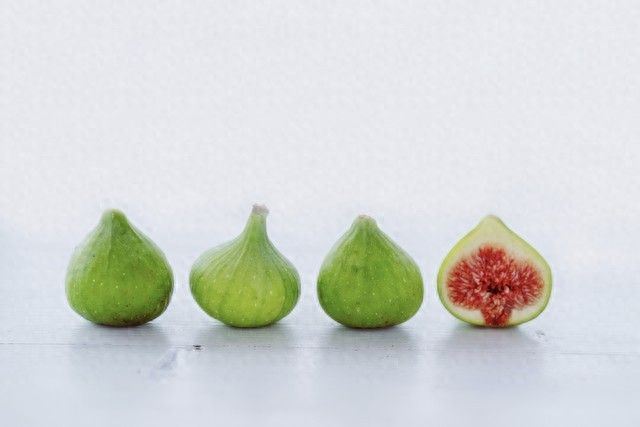
The figs, "bogie red," are for roofs, branches softly resistant to wind, purple fruit in the summers, and when they're ripe, they drop honey down, the disadvantage is to cut the branches regularly (or grow crazy)。
Lazylanders' exclusive “release” plants
The selection is for the winter: leaves are like blue grass, purple flowers are grown in the summer, on the edge of a tree or flower pool, with almost no pipe, and the northern winter covers fall, 100 times the heart of the lawn。
The shrub picks obituary, "heavily graft," which lasts too long (5-october), the white of red powder, growing a few as green fences, resistant to infertile trimping, and the cutting of branches in the water。
There's a difference between the north and the south: these plants don't grow badly
1. North roof (10°c+ under winter, anti-cold)
Relax:
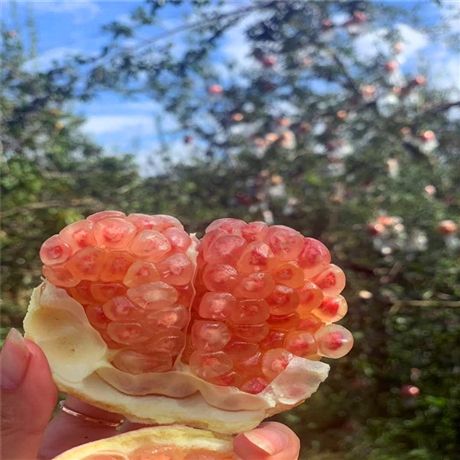
(b) pomegranates, seagulls (depreciated species, not indoors in winter)
It's a place of choice for weeds and tails。
Chosen:
Tea flowers, sauerkraut (high alkalin soil in the north, prone to yellow leaf loss and recommended regular iron sulphate for pellets)
A lot of meat (lower than 5°c in winter to move indoors and lazy people easily forget to freeze to death)。
2. Southern roofs (summer wet, flood-resistant)
Relax:
(b) the selection of egg flowers, violets (heated and antityphoids, with flowers blooming in the summer)
Fujimoto chose the gentleman and the dragon boat flower (flowering all year round, wet and hot)。
Chosen:
(b) meat (summer hot, wet and black, which must be ventilated and watered once every six months)
The cactus。
Don't touch these "mined land plants"
(a) deep-seated killer: tumble trees, pine trees (the roots are drilled, the water is punctured in minutes and water leaks downstairs)
High risk molecules: yang trees, coconut trees (more than 3 m tall, windy winds can fall, people and cars can get in trouble)
Pistols / toxic plants: roses (hard pricks on children), peaches (all toxic, juice allergic to skin)
Quick-start troubles: bamboo (roots drilled everywhere, full of roofs for several years), reeds (learns are difficult to clear and rats are easy to hide)。
New hands grow the "wit formula" : the most cost-effective mix
Small roofs (30m2):
Main view: 1 lollipop season (1. 2 meters high, beautiful flowers)
Match: 2 basins of blue snowflake ( hanging on a railing) + 1 lavender (covered floor as a green carpet)
Snacks of mints, strawberries
Large roof (100m2+):
Mainview tree: 1 pomegranate (summer flowers, fall fruit)
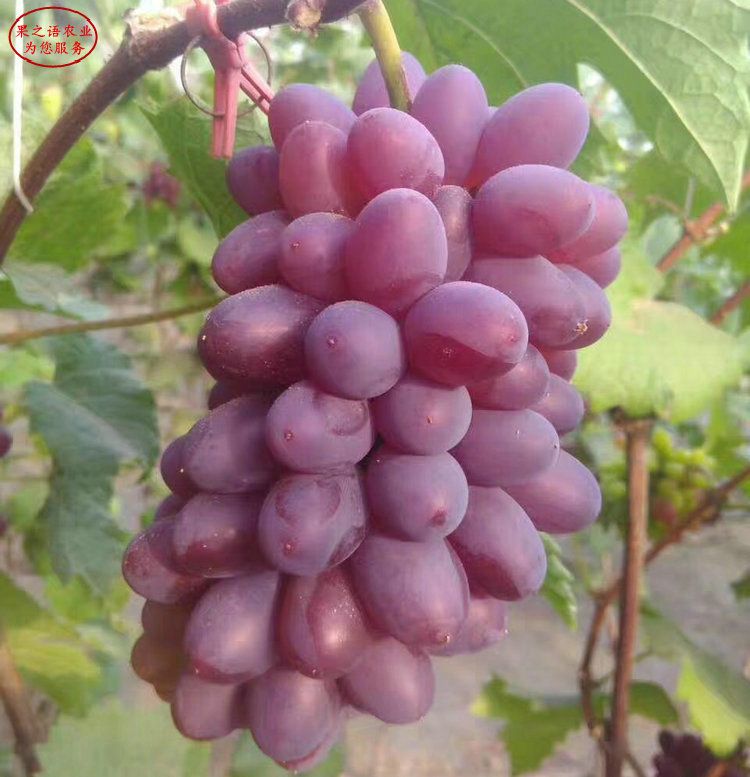
Mid-level shrubs: 3 raisins (different colours, long bouquets) + 2 crumbs of blueberries (depreciated species, pick while watching)
Land by: vulcan (sun) + winter (semi-vaginal)
Climbing vines: vives
Remember: the roof plants are greedy. There are enough five to eight varieties, the same species together (e. G., all seasons with a row of plants and no garden when you take drugs), and start with the "low maintenance combination" and slowly find a match for yourself。
What's your roof for? Let's look at the sun for a few hours a day, at the lowest temperature in winter, and then pick the plant that corresponds to the "skill point" to make sure your roof garden is nice and comfortable