


Air respirator function and use
Air respirators are personal protective equipment that is used primarily to provide clean and safe air to users in hazardous gas or oxygen-deficiency environments. Its core function is to isolate pollution from the outside and to ensure that users can breathe normally under hazardous conditions, thereby safeguarding their lives. Such equipment is widely used in a wide range of areas, including industrial production, emergency response, scientific expeditions, etc., and is essential in many high-risk operating environments。
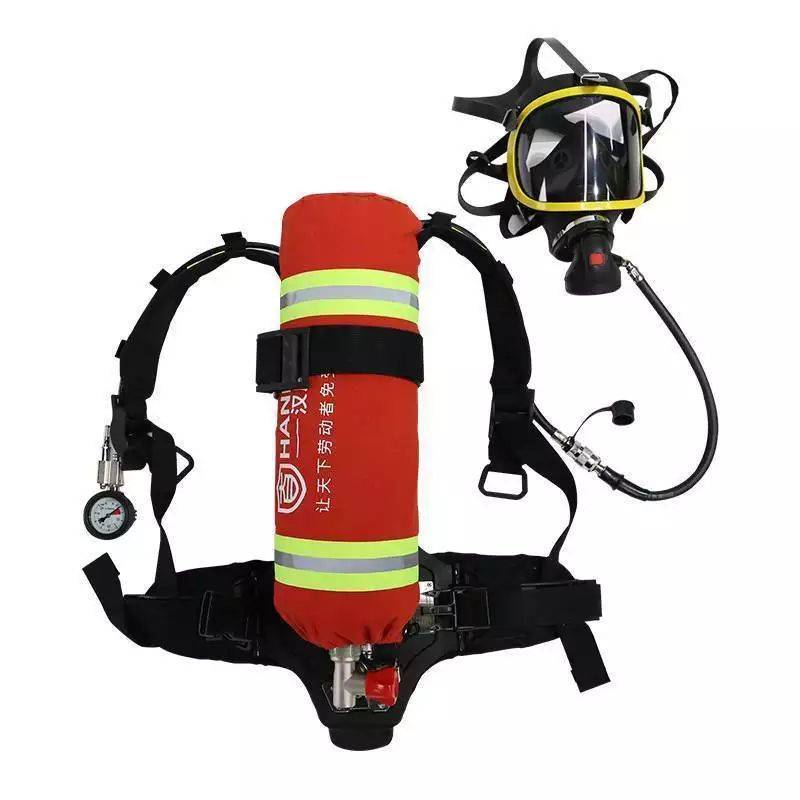
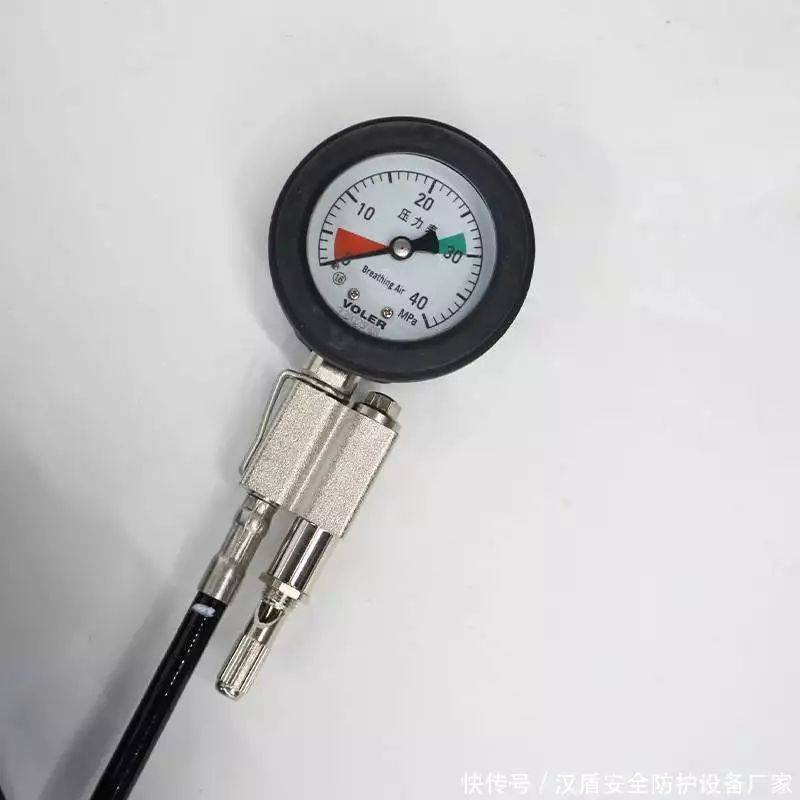
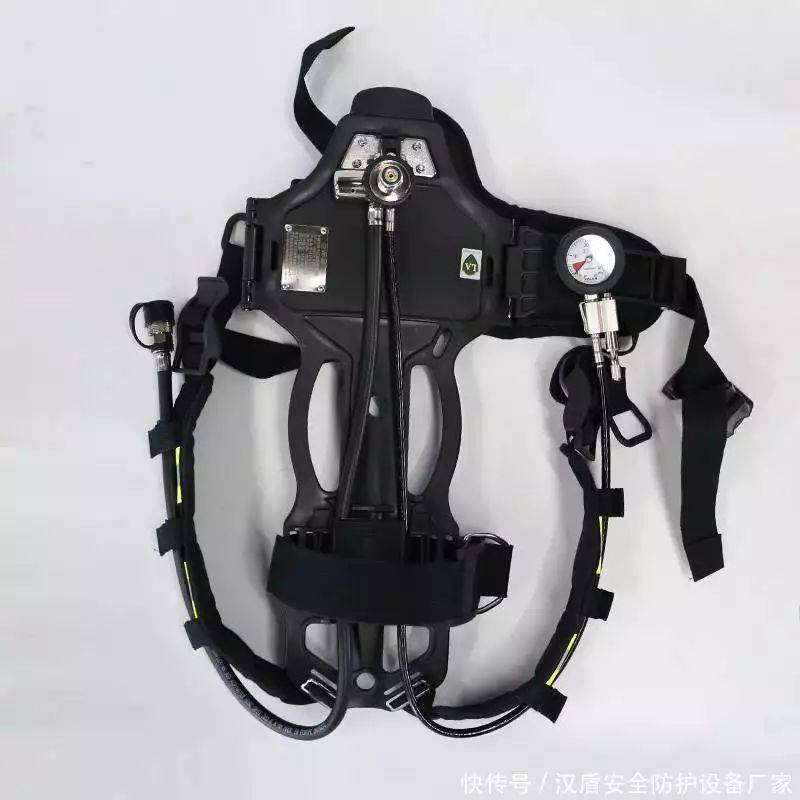
The air respirator works on the basis of a subsistence air supply system. It usually consists of components such as cylinders, pressure reduction valves, masks and belts. Condensed air is stored in cylinders, which adjust high pressure air to a suitable breathing pressure through the pressure reduction valve and are then transported through the mask to the user. The entire process is completely closed, preventing the entry of external air and ensuring the purity of the air being breathed. This design allows users to breathe independently in toxic, fumes or oxygen-deficit environments without having to rely on the surrounding environment。
In terms of effects, air respirators are mainly found in:
1. Provision of respiratory protection: the main function of air respirators is to prevent users from inhaling harmful substances such as chemical gases, dust or fumes. These substances may come from industrial leakages, fires or other accidents, causing direct damage to the respiratory system or causing poisoning. By using air respirators, users can avoid exposure to these hazards and maintain a normal supply of oxygen, thereby reducing health risks. For example, workers may be exposed to volatile organic compounds in chemical production, and air respirators can effectively isolate these pollutants and ensure operational safety。

1. 76 the nostalgic page, retrieving the classic hot blood battle
2. Support for emergency response: air respirators are critical equipment for firefighters and rescue teams in emergency response scenarios. Fire sites are often filled with smoke and toxic gases, such as carbon dioxide or carbon monoxide, which can quickly cause asphyxiation or coma. Air respirators provide an independent source of air that allows rescue workers to access hazardous areas for search and rescue or fire suppression without air quality. This not only protects the rescuers themselves, but also increases the efficiency of the rescue。
3. Auxiliary special operations: air respirators are used in specific industries, such as mining, tunnel works or underwater operations, to cope with oxygen deficiency or high pollution of the environment. Miners may experience methane accumulation in deep wells, resulting in oxygen shortages; divers need to breathe compressed air to adapt to underwater pressures. Air respirators help users to perform these high-risk tasks by providing stable air flow and avoiding accidents caused by environmental changes。
4. Promotion of scientific research: in scientific research and environmental monitoring, air respirators are used to protect workers from handling harmful samples in the field or in laboratories. For example, biologists may be exposed to bacteria or chemical residues when collecting samples from contaminated waters, and air respirators may provide barriers to prevent inhalation hazards. This helps to ensure the safety of scientific activities while maintaining the accuracy of data collection。

Retrospective 176, the call of a 30-year-old player
In terms of use, air respirators are used in a wide range of applications, subject to selection of the appropriate type according to the specific scene. Common uses include:
1. Industrial safety: in manufacturing, petrochemicals and construction, air respirators are used for routine protection or emergency events. Workers regularly check the pressure and sealability of the cylinders of the equipment to ensure that they can be activated quickly in the event of a leak or explosion. For example, in oil refinery, employees may be required to wear air respirators for equipment maintenance to prevent gases such as hydrogen sulfide。
Public safety: fire department, disaster response team uses air respirators as standard equipment. In the course of training, members learn the correct wearing and use skills to respond to fire, chemical spills or natural disasters. This not only saves lives, but also reduces secondary injuries。
3. Environmental applications: air respirators are used in the field of environmental protection to treat pollution clean-up or waste management. Personnel rely on radioactive material or hazardous waste to avoid inhalation of particulate matter or steam. In addition, air respirators can assist in adapting to low-oxygen environments in some extreme weather areas, such as high altitude or polar surveys。
4. Education training: in the course of safety training, air respirators are teaching tools to help participants understand the importance of respiratory protection. Through simulation exercises, people learn how to inspect equipment, replace cylinders and respond to emergencies and raise overall safety awareness。
In the use of air respirators, care is taken to maintain and maintain them. Periodic inspection of cylinder capacity, replacement of cores or seals to ensure that equipment is in good condition. At the same time, users should receive professional training in proper wear and emergency procedures to avoid risks arising from operational errors. On the cost side, the price of the basic type of air respirator may be in the range of several thousand rmbs, depending on the configuration and function, but it is not a consumption orientation, but a safety investment。
In general, air respirators are a key protection tool to protect users ' breathing safety in hazardous environments by providing clean air. Its role and usefulness are diverse, covering a wide range of areas, from industry to relief, emphasizing the concept of prevention-based security. With technological advances, there may be lighter and more efficient designs in the future, but the core purpose remains the same: to ensure that life breathes without fear。



