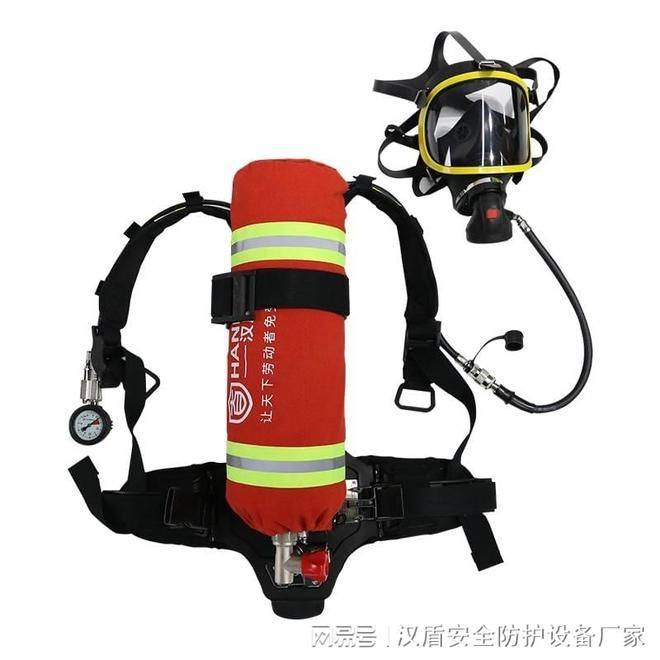
Transpressive respirators and self-sufficient respirators are two different types of respiratory protection, with differences in design rationale and use. These two devices are described in a number of ways below。
1. Rationale
Transpressive respirators filter and increase the external air through internal installations and then provide air to users in a manner higher than environmental pressure. This design ensures that users remain in a normal state of pressure within the mask while breathing and effectively prevents the entry of external pollutants. Subsistence respirators bring their own compressed air sources, and users do not rely on external ambient air to provide the air required for breathing by carrying cylinders. Subsistence respirators usually include a cylinder, a pressure-relief valve and a mask, and air is regulated from the cylinder to supply users。
2. Structure
Inverted respirators typically include masks, filters, power units and power components. The power unit is responsible for driving the air flow, the filtering mechanism removes particles or harmful substances from the air, and the power source provides operational power. Subsistence respirators consist of cylinders, pressure regulators, masks and belt systems. Gas cylinders store compressed air, pressure regulators control air flow, and the backband system is easy to carry。
Use of the environment
Trans-pressure respirators are applied in situations where air pollution is present but oxygen concentrations are sufficient, such as industrial environments or dust fields. It relies on external air and therefore cannot be used in an oxygen-depleted environment. Subsistence respirators are used in environments that lack oxygen or have high concentrations of harmful gases, such as closed spaces or fire sites, as they are not dependent on external air sources。
4. Use of time
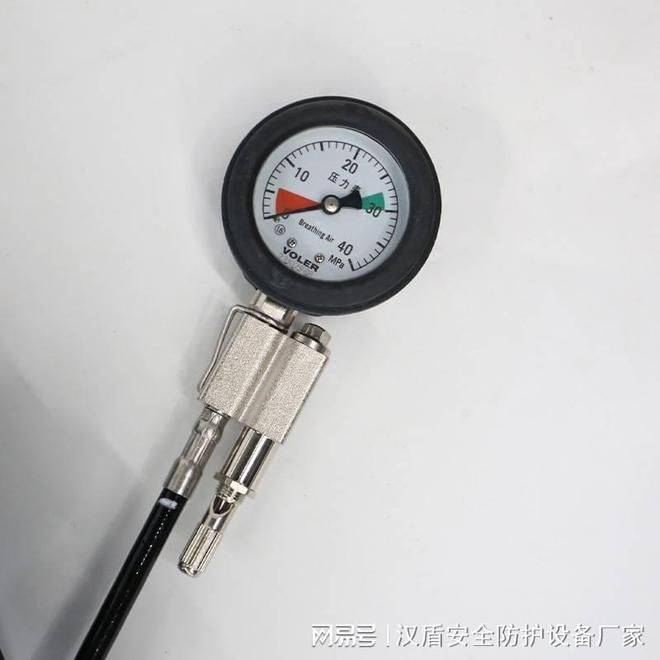
The time of use of a positive respirator is influenced by the lifetime of the power source and the filter element, which usually requires regular refilling of the filter core or charge. The use time of the self-sufficient respirator depends on the capacity of the cylinder and the rate of air consumption, the greater the capacity of the cylinder, the longer it is used, but the pressure of the cylinder needs to be checked periodically。
5. Maintenance requirements
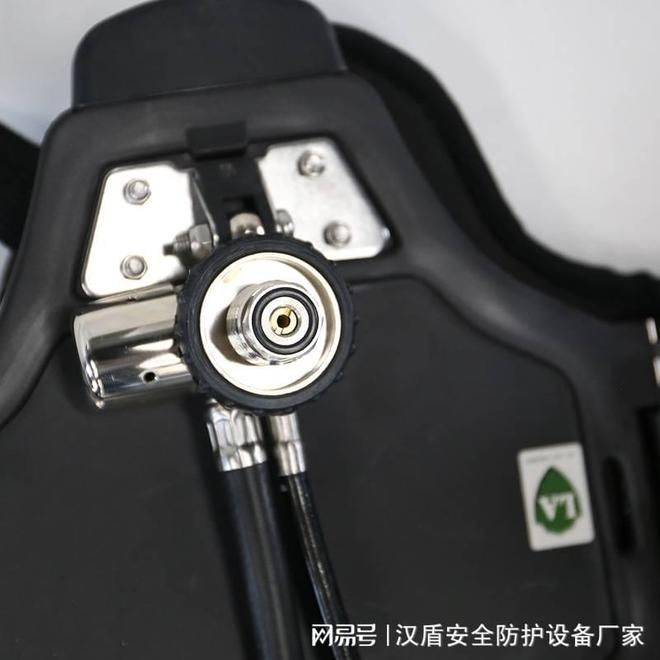
Transpressure respirators require cleaning of filters, checking of power sources and power units to ensure normal operation of the components. Subsistence respirators are required to check the pressure of cylinders on a regular basis, check the regulator and mask sealing, and the cylinders need to be inflated or replaced。
6. Weight and portability
Transpressure respirators are relatively light, but have power and power units that may affect mobility. The self-contained respirator is heavy because of the weight of the cylinder, but is designed to be portable and the backband system is easily mobile。
7. Cost factors
The initial cost of a pressurized respirator may be lower, subject to consideration of core replacement and power maintenance costs. Gas cylinders and regulators of self-sufficient respirators may require higher initial input, and the inflating or replacement of cylinders will also entail continuing costs。
8. Applicable criteria
Both types of equipment are required to meet the relevant safety standards, and positive respirators may involve electrical and filter standards, and self-sufficient respirators are required to meet pressure containers and respiratory protection standards. Users should select equipment that meets the criteria according to specific needs。
9. Training requirements
The use of positive-pressure respirators requires a knowledge of filtering principles and power management, and subsistence respirators require control of cylinder operations and pressure checks. Both required training in proper wear and maintenance。
10. Selection considerations
The equipment is selected with an assessment of the environment, air quality and level of protection required. Trans-pressure respirators are suitable for contaminated but normal oxygen levels, and subsistence respirators are suitable for oxygen deficiency or unknown air environments。
Based on the above, the working principles, structure and applicable scenarios vary between positive and subsistence respirators. An understanding of these differences facilitates the selection of suitable respiratory protection equipment based on actual needs。