Headaches, toothaches, sores, and painkillers are used by a large number of people。
It is not known that this habit of “eating in pain” is taking the form of a “hot-cooked frog” through the kidneys, and some even cause kidney failure。
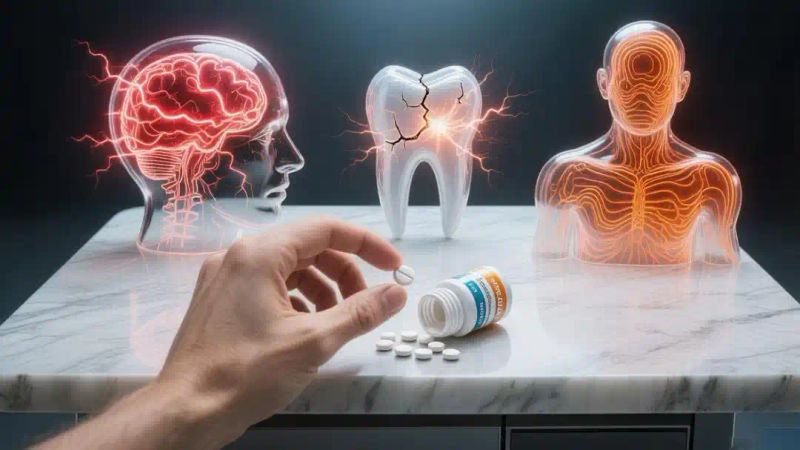
Take some painkillers
One man dying, one man dialysis for life
According to the guangzhou daily newspaper, mr. Lee, 55-year-old, with a five-year history of hypertension and an irregular use of medication, has severe headaches associated with high levels of blood pressure, and is often subjected to “headache powder” and acute kidney failure is diagnosed prior to admission to hospital, due to the high consumption of poaching peaches, abdominal swelling and abdomen, and a decrease in the amount of urine associated with him. Hemodialysis, hormones, kidney care, etc. Have gradually restored the kidney function。
Unaccompanied, men aged 30 years and 30 years have been subjected to chronic painkillers, resulting in the near-end of kidneys and lifelong dialysis. According to the doctor, the core causes of both cases are the chronic abuse of non-accumulative anti-inflammatory painkillers, whose kidney damage is highly hidden, which is only one of the many kidney-injury drugs, and the many other drugs commonly used in life, which are also silently damaging to the kidney。
More than painkillers
These common drugs can be silently hurt in the kidneys
Brophine, zipson, aspirin, headacheal powder, etc. Are non-synthetic anti-inflammation drugs, which are one of the most common kidney injuries。
In addition, several other types of drugs may cause kidney damage and require vigilance: for example, some antibiotics (e. G. Amino-sugar antibiotics), herbal herbs containing horse-bellic acid, some combinations of antithermal analgesics, photogenics, etc. The kidneys are the core organs of the metabolic excretion of drugs, all of which are subject to renal decomposition, and long-term or irregular administration can cause kidney damage, with the most widespread abuse of anti-inflammatory drugs。
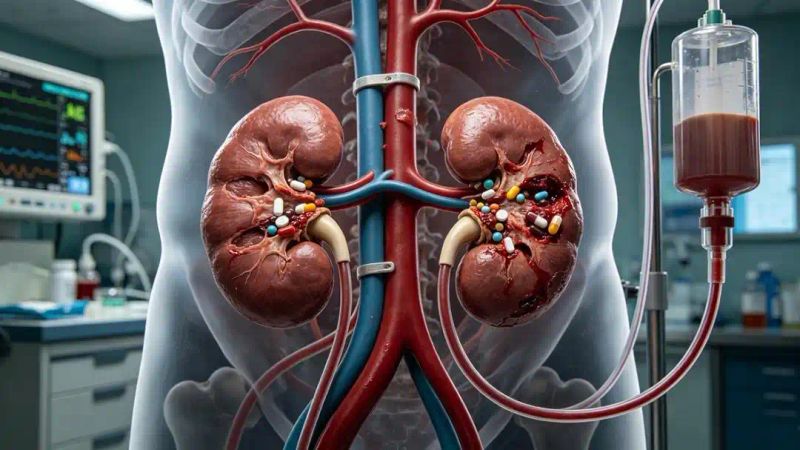
In the case of inflammatory anti-inflammatory drugs, there are two main aspects to the kidney injury: the constriction of kidney vessels and the reduction of blood infusion, which leads to anaesthesia of the kidney tube, injury and death; and the metabolic impurity of the kidney tissue, which induces inter-temperal renal inflammation, which can develop from long-term abuse into protein urine, kidney failure and, ultimately, kidney failure. Other kidney-harmed drugs can cause kidney damage through different mechanisms, such as antibiotics, which can cause direct damage to kidney tubes, and herbs containing horse-bellic acid, which can lead to chronic interrenal fibrosis。
"take the medicine if it hurts."
Three groups are at risk for kidney damage
Many people take medications that are perceived, do not see dosages and do not ask doctors, and this blind use is the main cause of kidney injuries, especially for those who are less resilient to their own kidneys. Renal resistance to drugs is limited, with frequent overlaps and long-term self-addictions, which can continue to increase the kidney burden and cause irreversible damage。
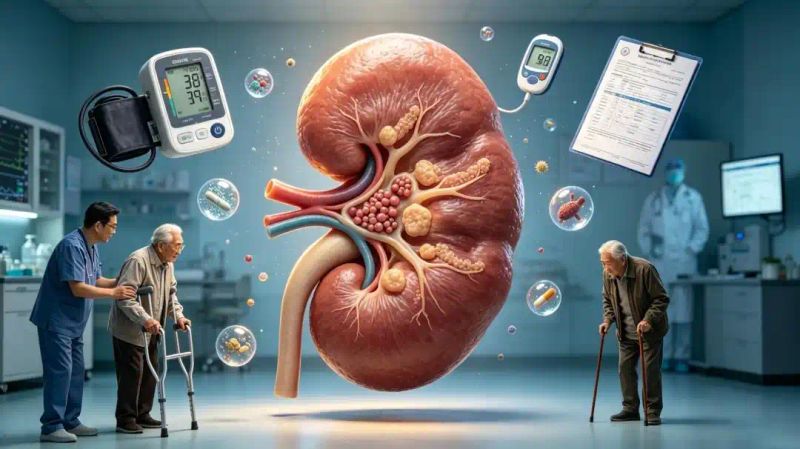
Of these, three groups are at high risk of drug renal damage, and in particular are not subject to various types of kidney damage:
1. High blood pressure, diabetes: basic diseases have damaged the blood vessels and kidney function, drug metabolism has decreased and is more vulnerable to painkillers
2. Older persons: reduced kidney function with age, weak metabolic detoxification and significantly reduced resistance to painkillers
3. Chronic kidney disease and infirmity: the kidney itself is fragile, and arbitrary medication increases the condition and accelerates the deterioration of the kidney function。
Kidney damage is like "the hot frog."
How do we recognize early signals
The kidney damage, which is referred to as the “hot water boiled frog” lethal pathologies, is characterized by hidden, slow, initially non-symptomatic, typical inaccuracies and severe and irreversible kidney damage。
The kidney is a “silent organ” with no severe pain at an early stage and only minor signs that can be ignored, bearing in mind that:
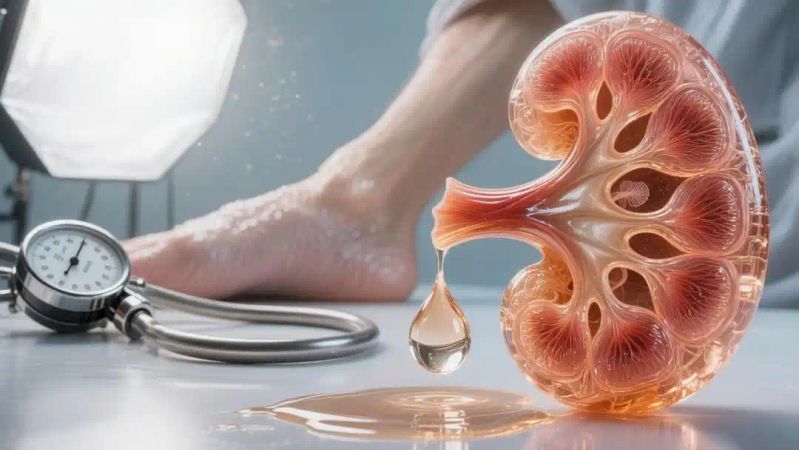
1. Anomalous urine levels: a sharp decrease in urine (less than 400 ml for 24 hours), deeper urine colours or persistent foams for urine (often indicating protein urine)
2. Osmosis of the body: osmosis of the morning eye, swelling of the face, or swelling of both lower and lower limbs after the afternoon, which is not easily recovered by a convulsion
3. All-body discomfort: lack of strength for unknown reasons, dizziness, poor appetite, nauseous abdominal swelling, and the need to screen kidneys for long-term painkillers
Blood pressure anomalies: increased blood pressure outbreaks in persons without hypertension, or poor and volatile blood pressure in patients with hypertension。
Guide to safe medicine
Avoid the risk of kidney damage. Hold the kidney. Line
The various types of kidney-harmed drugs are not flood beasts, and rational use can avoid risk, bearing in mind the four-point rule:
1. Availability and non-attribution: minor pain is given priority by physical means such as rest, heat dressing, etc.
2. Tightly controlled doses and lengths: no overloading of drugs and no unauthorized overtime
3. Compliance of high-risk groups with medical instructions: hypertension, diabetes, the elderly and kidney patients, etc., as well as medical advice for kidney-injury medication
4. Use of hot water: accelerated drug metabolism and reduction of kidney deposition。
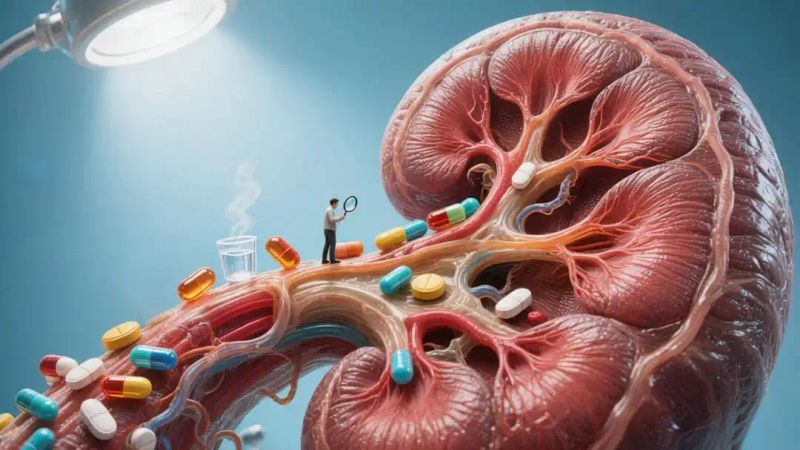
Medical kidney damage is irreversible, and painkillers and antibiotics should not be treated as “a panacea” and the practice of using self-medicines should be abandoned。
Audit expert: yao ying, clinical nutrition branch, wuhan medical association