


Can painkillers cause kidney disease
What's a painkiller
Analgesics in a broad sense are the sum of all painkillers and include:
(1) anaesthesia: generally applied during surgery and prescribed by a doctor, i. E., lidocaine, prucain, etc。

(2) opioid analgesics: often used only in cases of tumour pain and severe post-operative pain. Such drugs are often strictly regulated by law and can only be prescribed by doctors with special prescription powers, such as dulumin, morphine, etc。

(3) anti-inflammation drugs, such as pain tablets, finns, broven, white and black, pimesin, niemesuri, etc., which are used by the general population in their homes and are used in cases of headaches。

What's the antithermal painkillers
The generic name of this type of drug is called the non-parathalmic anti-inflammation drug, which is numerous and, although with different chemical structures, acts as an antidote, analgesic and inflammatory by inhibiting the synthesis of prostates. It is often used in cases of cold fever, joint pain, headaches, tooth pain, etc., because it has good deheating and painkilling effects. Many drugs are routinely available in the homes of ordinary people。

Do painkillers cause kidney problems
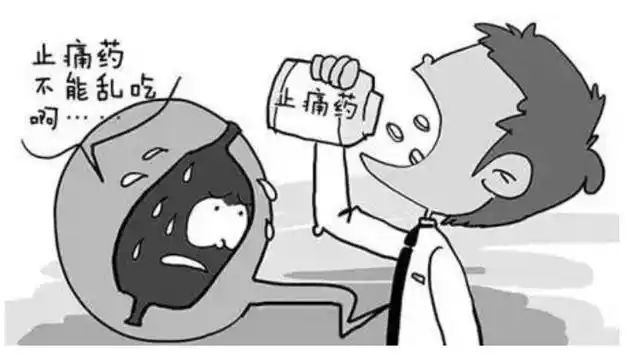
The occasional administration of antithermal painkillers is relatively safe. However, prolonged or sudden large-scale administration of antithermal analgesics may cause kidney damage, especially in cases where patients already have basic renal pathologies, and the administration of antithermal analgesics may aggravate kidney disease。

4. Under what circumstances does kidney disease occur
Patients with a cumulative total of 1 to 3 kg are prone to kidney disease, with chronic painkillers。
The large number of applications in a short period of time, in particular the combination of several drugs, can easily cause kidney disease。
What are the signs of kidney disease caused by painkillers
Patients are often associated with headaches, joint pains, or basic diseases such as rheumatism arthritis, gout, etc., which are the causes of chronic painkillers。
Early kidney damage: often manifested in mild protein urine (24 hour urine protein ration)
The posterior kidney damage was manifested in kidney failure, such as increased haemocellosis, anaemia and hypertension。
In the case of acute renal nipple failure, the patient is exposed to urine blood, or to a blood clot or clot in the urine, which may also induce kidney strangulation or even acute kidney failure。
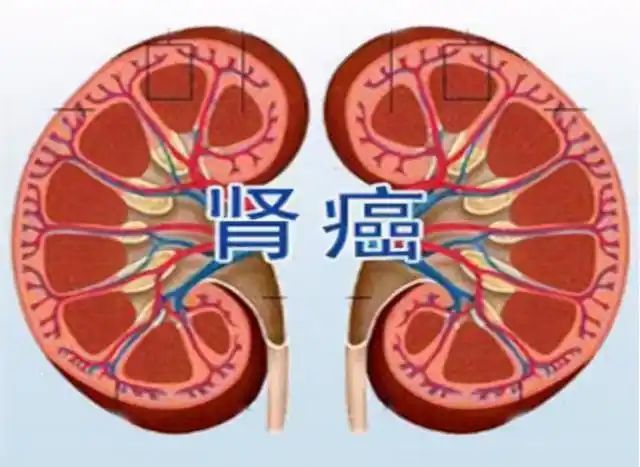
In addition, painkillers and kidney diseases can easily combine malignant tumours in the urine route, with rates ranging from 8 to 10 per cent。

6. How does analgesic kidney disease be treated
The most important is prevention, avoiding long-term, overdoses of antithermal painkillers, and early manifestations of kidney damage, which should stop as much as possible。
In case of kidney damage, urinary tumours and kidney function should be monitored regularly。
In case of renal failure, the kidney doctor should be called upon immediately to provide reasonable dietary guidance and medication to correct the complications, and dialysis should be provided in case of development of urine。

Source: kidney department, beijing medical hospital



