


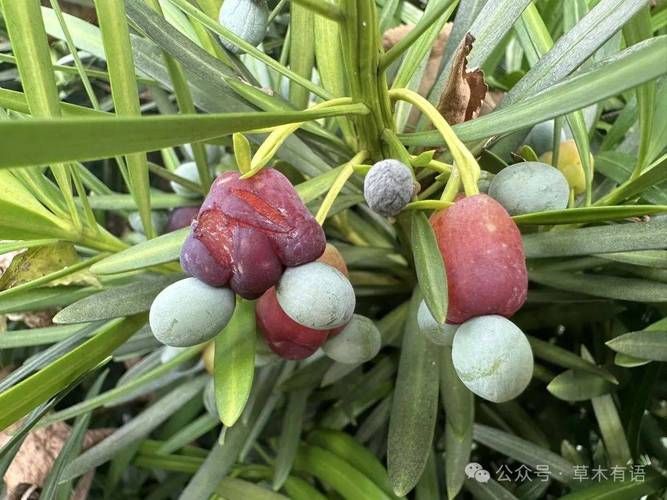
Plug-in features are generally used as a basis, with a specific division of piping into hard and small branches. It's usually the spring and autumn seasons. The most appropriate time for the spring is from late march to mid-april, and the most appropriate time frame for the fall is from late august to mid-september, with due care to adjust the timing in the light of regional climatic characteristics. The small branches of the implant are selected from three to five years old and need to be selected in accordance with the principles of strength and disease-freeness, thereby increasing the success rate. In general, cutting is done with a length of 8-10 cm and leaves of 3-5 cm, with cuttings set at 5 mm below. In order to reduce the evaporation of the leaves in the face of the evaporation of the earps, one third or one half of the 2-3 blades retained at the top of the earps can be cut off to form the basis for the lumber-to-live rate. For hard branch plugs, it is necessary to choose the slots on the plant that was born in rohanson in 4-6 years. It is equally necessary to follow the principles of strength and disease-freeness in the pre-release phase of the rohan pine tree. The selection of the 1 to 2-year-old branch in the lower of the rohanson tree, which is consistent with the embedding principle, can be trimmed to 8 to 12 centimetres long. Usually, after cutting, only 3-5 blades of leaves are kept, and they need to be cut flatly at the top of the top five millimeters of the top lobe, with a lower cut and a soft twig. In the same way, it is required to be slashed at 5 mm below the lower end of the leaf section, to ensure that the cut is smooth and that no damage is caused to the wood section or to the pelvis section, so as not to affect the rate of activity of the piping。



