Underutilized horizontal interfaces in urban complexes can carry vegetation cultivation functions and form specific ecosystems. This technical practice, collectively referred to as roof greening, is essentially the creation of viable plant growth matrices at the top of the building. Three basic models can be divided into extended, semi-intensive and intensive models, depending on the base thickness and vegetation type。
The everest garden
Tree trimmed and greened the garden
Open 100 degrees app
Scanning now
Call immediately
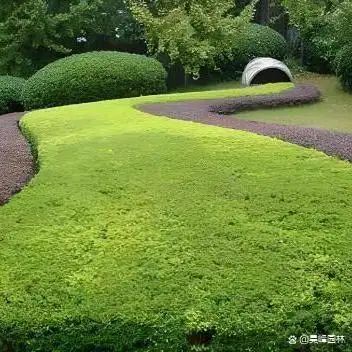
The tectonics of the extended roofs are usually not more than 15 cm, with the main choice being for drought-resistant varieties such as landscapes. The load requirements for such systems are low, ranging from 60 to 150 kilograms per square metre. The matrix consists of a mixture of light-weight man-made materials consisting of inorganic and organic matter compounds such as pebbles, shale, etc. Vegetation layers are formed with little need for irrigation and rely on natural precipitation for survival. This model applies to large-scale extension, with minimal demand for structural adaptation。
Semi-intensive systems increase their base thickness to 15 to 30 cm. The system allows for a combination of low bushes and multi-year grass plants to form a more hierarchical vegetation structure. The demand for loads was raised accordingly to 120 to 250 kg per square metre. Such systems would need to be equipped with simple drainage and reservoirs and, in some cases, with drip irrigation facilities. Plant selection has been extended to medium root species such as aluminum plants and ornamental grasses, with a significantly higher biodiversity than extended systems。
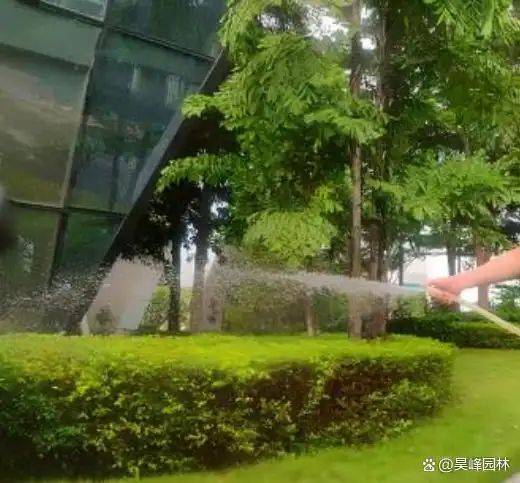
The greening of intensive roofs can be considered an airborne transplant of the ground garden with a base thickness of over 30 cm. The system supports a complex of plants made up of wood, shrubs and lawn, with load requirements of over 300 kilograms per square metre. The tectonic layer consists of a complete water-resistant membrane, root-line barrier layer, drainage panel, filtered fabric and planted earth layer. Such roofs require systematic irrigation and conservation management, with ecological effects closest to natural surface vegetation。
In terms of thermal performance, the vegetation layer, together with the soil matrix, forms an additional insulation layer at the top of the building. Most of the solar radiation energy in the summer is consumed by plant photocosm and evaporation processes, with only a small portion of the heat being transported to the building interior. Test data indicate that indoor temperatures below the green roof are between 3 and 8°c below the conventional roof after the summer afternoon. In winter, indoor heat dispersion is reduced by the atmospheric retention of the matrix。
Hydrological regulation is reflected in retention and delayed discharge of precipitation. Vegetation coronals can intercept part of the rainfall, while substrates absorb and store moisture like sponges. In a 10-millimeter rain event, intensive roof greening could absorb 70 to 90 per cent of precipitation and gradually evaporate or slowly excrete within the following 48 hours. This stagnating effect effectively relieves the instant pressure of urban drainage networks during heavy rains。
Air particle deposition efficiency is directly related to vegetation surface characteristics. Leaf velvet, wax layers and complex three-dimensional structures can absorb suspended particles. Plant varieties of common green shrubs and polychaetes are particularly visible in this regard. Rainwashing restores the sorbence capacity of the leaves and creates a continuous purification mechanism. Tests showed that pm2. 5 concentrations in the air above the green roof were 10 to 20 per cent lower than in the surrounding area。
Biodiversity support functions increase with the complexity of the system. Intensive roofs provide feeding and habitat space for insects, birds and small mammals. In particular, the introduction of native plant varieties has helped to connect urban ecological networks and to form airborne ecological springboards. Some specific studies have documented signs of activity of more than 50 invertebrates and more than a dozen birds on green roofs。
From a space economics perspective, the greening of the roof essentially creates additional surface areas in cities. In regions where land resources are highly concentrated, this vertical expansion amounts to an increase in the carrying capacity of urban ecological services. The greening of the roof does not require the use of development land indicators compared to the same area of ground green land, but provides ecological benefits of a similar 60 to 80 per cent。
Long-term maintenance costs depend on system types and plant configuration strategies. Upon the establishment of a stable vegetation layer, the extended system can be maintained for four to eight hours per 100 m2. In turn, intensive systems require specialized horticultural maintenance, including regular trimping, fertilization and irrigation system maintenance. The application of smart monitoring techniques is gradually moving towards accurate forecasting of conservation needs, optimizing the efficiency of water allocation through soil moisture sensors linked to meteorological data。
Advances in material science are driving continuous innovation in light matrix and waterproof technologies. New mineral cotton-growing substrates weigh only one third of traditional soils, while saturation rates have more than tripled. Waterproof scrolls made of high-molecular composites now have a 40-year quality assurance period and their anti-root puncture performance has been validated through laboratory acceleration tests。
Structural assessment diversity in implementation takes precedence over landscape design. The load calculation shall contain the base weight, plant growth increment and potential activity load in saturation. Structural tests should be carried out by specialized institutions prior to the renovation of existing buildings to determine the appropriate type of greening based on beam bearing capacity. New construction could be considered at the design stage in an integrated manner, reducing incremental costs through structural optimization。
Different climate regions need differentiated technology options. Dry areas should focus on the combination of drought-resistant plant screening and rainwater harvesting systems; rain-fed areas would require enhanced drainage and flood control; cold areas would need to consider the impact of frozen melting cycles on the water layer and select highly resistant plant varieties. This geographical adaptability is a key factor in ensuring the stable functioning of the system in the long term。
From the implementation of impact assessments to the study of mechanisms, the main obstacles to the greening of roofs arise from initial investment sharing and long-term responsibilities. The decentralized complex is often difficult to harmonize and adapt and requires a sound cost-benefit distribution model. Some cities provide economic incentives to implement subjects through capacity-rewarding policies or relief mechanisms for rainwater emissions, which show that institutional innovation is as important as technological development。
Future technological developments could break the existing paradigm. The combination of photovoltaic and vegetation systems is in the pilot phase, and preliminary data show that a combination of the two can increase the efficiency of photovoltaics by 8 to 12 per cent, while providing growth environments for euphoria. The modularized prefabricated plant module has simplified the installation process, making the roof greening possible as easy as furniture. These innovations not only expand technological boundaries but also change the way people perceive the use of urban space。
The value of roofing as part of urban ecological infrastructure depends on systematic design and life-cycle management. The technology is redefining the environmental role of building surfaces, from simply increasing green volumes to integrating microclimate regulation, from decorative functions to ecosystem service provision. Its implementation will depend not only on vegetation cover, but also on how it is integrated into the urban material and energy cycle system as an active interface for sustainable urban development。