


Cell experiments fail? 90% of it's a serotoxin in a fetal
Those who do cell experiments, what are they most afraid of
The experiment was repeated three times and results varied from day to day。
The rate of transmission is too high and too low to allow the virus to be packaged。
The cells look good, they flip the car as soon as they're functional。
In many cases, these seemingly incomprehensible problems are rooted in the high levels of internal toxins in the blood serum of fetal cattle. The high serotonoxin in the foetal is the most common source of systemic errors that lead to non-repeatable results in cell culture experiments. The internal toxin activates the nf-100b signal route through the expression of inflammation factors, convergence factors and adhesive molecules by combining toll sample receptors 4 (tlr4) on the surface of the cell, thereby triggering a series of cell abnormalities。
Where's the inside poison from the blood serum
The internal toxin is a fatty (lps) component of the grenacous cell wall。
It is extremely stable in nature, and conventional sterilization methods cannot kill at all。
The intratoxin in the foetal serum comes mainly from three routes:
Bacteriological contamination of the environment or apparatus during blood extraction
The fetal cow's own intrauterine infection
Residues from debactivation steps during production
The toxin content of the serum of the fetal cattle is negative in terms of the sterileness of the blood-mining environment and the number of debacterial steps。
In most cases, the industrial-grade cow serum, which is not specially treated, has a toxin content in the range 5-20eu/ml。
Partially contaminated batches, with internal toxins exceeding 100 eu/ml, could not be used in scientific experiments at all。
Focus! The internal toxin safety threshold for each experiment
The chinese pharmacological code provides for a 10 eu/ml toxin content in the serum of fetal cattle。
However, the requirements for serum for scientific purposes are well above this standard。
The sensitivity of the serum toxin to different experiments varies greatly。
In the experimental design, the serum must be closely matched to the corresponding level:
Conventional in vitro cytocellular generational culture: ≤5eu/ml
Intergenerational cell separation and culture: ≤1eu/ml
Interfilled stem cells (msc), induced polyenergy stem cells (ipsc) culture: ≤0. 25eu/ml
Cell-factor induction and testing experiments: ≤0. 1eu/ml
Experiments on slow virus, gland virus packaging: 0. 1 eu/ml
The reagents act (lal) is the current international method of detection of internal toxins。
The standard test condition is 37°c hatching 60 minutes。
The detection errors that are common in the experiment are derived from the interference substance in the serum。
Water and consumables free of internal toxins are required for dilution of the gradient before detection。
When serum toxin concentrations exceed the corresponding laboratory threshold, over 90 per cent of the cell culture system produces an abnormally visible pattern。
The sensitivity of different cells to toxins is 100 times lower
This is a key issue that many have ignored。
The same serum, some cells work, others die when used。
The central reason is that the sensitivity of different cells to lps can be more than 100 times different。
Immunocells are the most sensitive to lps。
Raw264. 7 macrocytes, thp-1 single nucleocytes, at internal toxin concentrations of 0. 1eu/ml。
Twenty-four hours of training can detect a large amount of inflammation, such as tnf-α, il-6。
The sensitivity of the original cell is 3-10 times higher than that of the inoculation cell system。
Hepatic cells, neurons, at 5eu/ml internal toxin concentrations。
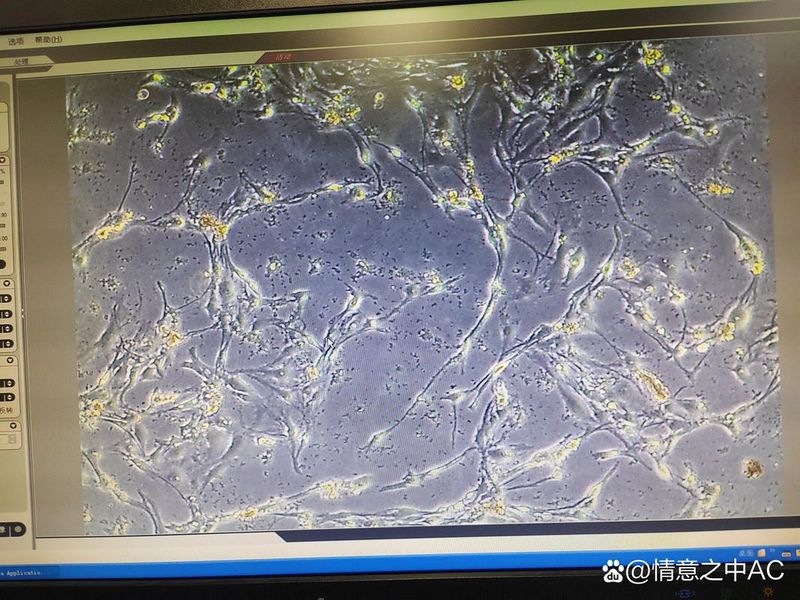
There will be significant loss of life and functional loss。
The reaction of stem cells to toxins at low concentrations is particularly significant。
Studies have shown that 0. 5 eu/ml internal toxins can lead to a 40% reduction in human bone marrow/msc skeletal division and a 20% increase in extinction rates。
In ipsc culture, internal toxins significantly increase the rate of spontaneous fragmentation and reduce the efficiency of cloning。
For the experimental scene:
In cell-transmission experiments, internal toxins reduce lipid-transmission efficiency by 30-50%
In the viral packaging experiment, it causes a drop of 1 - 2 doses of the virus level
In drug-screening experiments, cell stressors are activated, producing a lot of fake positive or negative results
Ninety percent of the scientists stepped on three fatal faults
First error: 0. 22 m filter can remove internal toxins。
Wrong. Lps molecular diameter approximately 0. 01-0. 1 m。
0. 22 m leaching membrane can only contain bacterial bacteria and can never stop the alienated internal toxin molecules。
Second error: high-temperature fungi can kill internal toxins。
Wrong. The internal toxin retains approximately 30% activity after 20 minutes of high pressure sterilization at 121°c。
It takes 250 °c to dry theatrics for more than 30 minutes to completely eliminate it。
This condition would completely destroy all growth factors in the serum。
The third area of error: good cell size, the internal toxin is fine。
This is a mistake for the worst。
Numerous in vitro cytocellular systems, at internal toxin concentrations below 10eu/ml。
Growth speed and cell form, which seems perfectly normal。
But in practice, cell inflammation circuits have been continuously activated。
This will seriously affect the results of all subsequent functional experiments。
Cell morphology and breeding speed are normal and cannot be used as a criterion for the determination of the toxin content in the serum of foetal cattle。
4 practical techniques to completely avoid internal toxins the pit
At the time of procurement, suppliers must be required to provide each batch of internal toxin detection reports。
The report should indicate the method, the specific values and the date of the test。
Do not accept any unreported serum products。
First thing you get is the serum
Splits into a single usage, usually 5-10 ml/ tube。
Immediately after the assembly, saves it under -20°c。
Refrain from repeated freezing, which would lead to an abnormal increase in internal toxin activity。
Before the experiment, do a simple pre-test of internal toxins。
The serum is to be tested at 10% concentration to complete culture。
Cultivation of raw 264. 7 cells 24 hours to detect tnf-α content。
If the tnf-α concentration exceeds 100 pg/ml, this indicates that the serum is too toxic and is directly discarded。
The internal toxin was found to be too high and the batch was immediately replaced。
Do not attempt to remove internal toxins by filtering, heating, adding adsorption。
These methods destroy both growth factors and protein activity in the serum。
The list of blood is sub-assembled and kept in the light below -20°c, which effectively avoids an abnormal increase in the activity of the internal toxin。
For experimental scenarios requiring strict internal toxin requirements, such as intergenerational cell culture, stem cell separation, cytological factor testing and viral packaging, the intratoxin-controlled bovine serum product at ≤0. 1eu/ml may be selected. The merris fetal serum fbs-p100 has been subjected to rigorous internal toxin testing in each batch, which has stabilized at ≤0. 1eu/ml, and has been tested in secondary bodies, bacteria, fungi and viruses to match the above-mentioned high-required cell culture experiments。



