The design of the roof garden
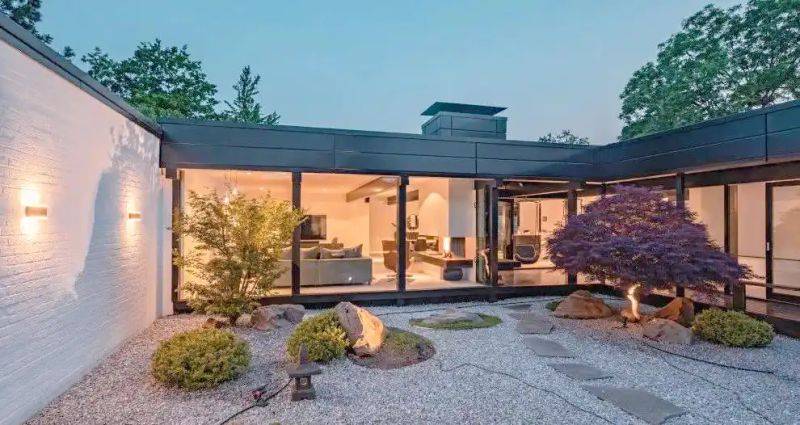
The roof garden, an excellent option to be close to nature, to improve the comfort of living and to optimize the practicality, has become a fresh stream in modern urban life. So how do we build a special roof garden? Next, we will explore in depth the key points。
Architectural requirements
Before building a roof garden, we have to consider from multiple dimensions whether the height of the building is in the category of irregular construction, including the top plate load, roof slope and building height. In the design, steel concrete floors, constructed or prefabricated, should be selected as structural layers to ensure sufficient load capacity. At the same time, more heavy attractions, such as kiosks, galleries, flowers, ponds and fake mountains, need to be rationalized in heavy structures or smaller distances and, to the extent possible, light materials such as man-made soil, peat and decomposed soil need to be used to reduce the burden on the roof. In addition, roof garden design specialists have provided load weight formulas to ensure that the indicators are in line with normative requirements。
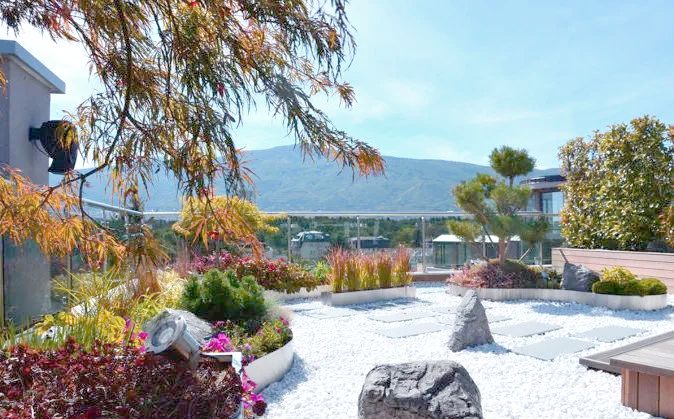
:: roof slope
For flat roofs and slope roofs with a slope of less than 15 degrees, greening of roofs is appropriate. The flat roofs are suitable for greening garden, modular or lawn roofs, while the steep slope roofs are more suitable for greening lawn roofs。
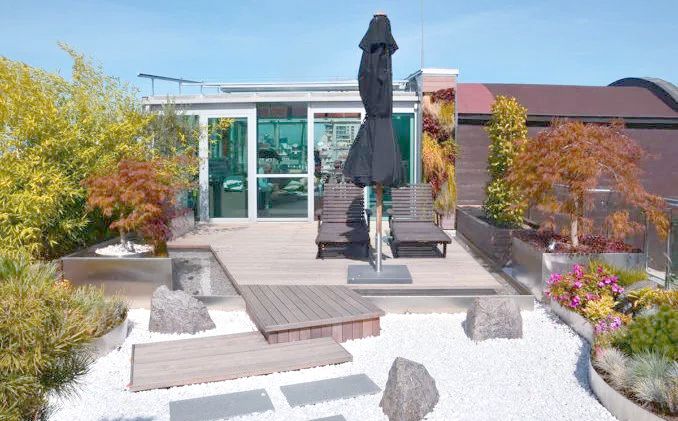
• construction height
A building with a building height of less than 6 floors or not more than 18 metres above is suitable for roofing。
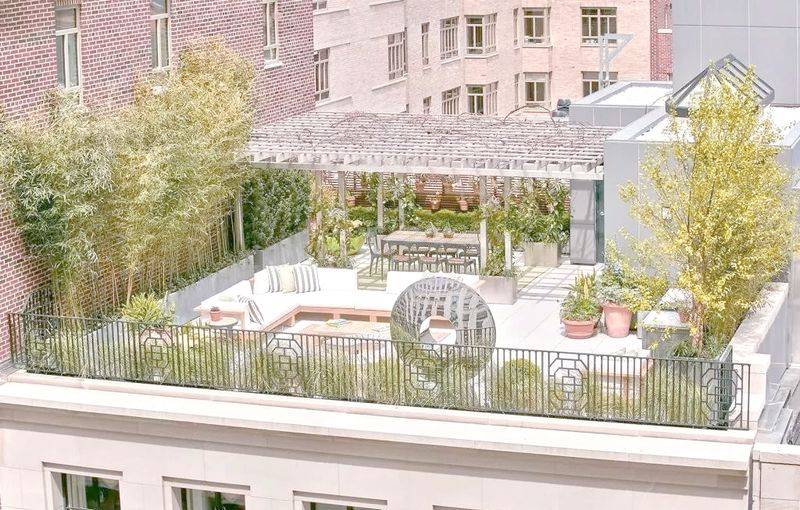
Water body design
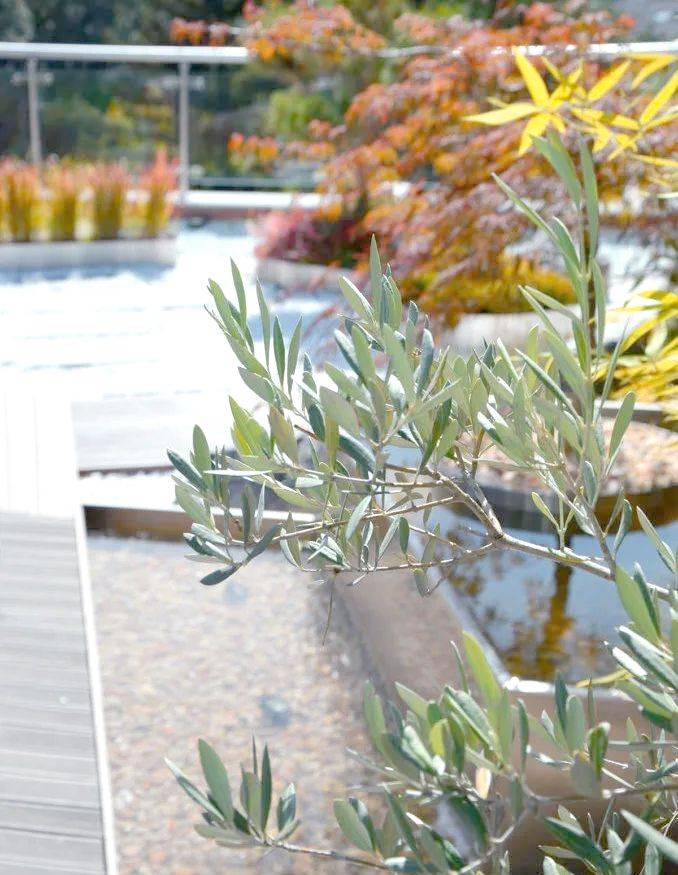
In the greening planning of the roof, the design of the water body is indispensable, not only adding vitality to the greening, but also being a sophisticated viewing technique. With the safety of roof loads, we can design and design water elements, such as small viewing pools. These shallow viewing pools, which are designed in a flexible and variable manner, can be created freely on the basis of the theme and style of the park, either in a free form or in geometry of the rules, in harmony with the surrounding environment. As for the depth of the pool, it is usually contained between 300 and 500 mm to ensure the dual need for safety and appreciation. In addition, because of the relatively small volume of the roof pool, we can maintain clear water quality by combining fountain technology with the application of circular water systems. This not only saves water resources but also ensures that water bodies remain in the best state of view。
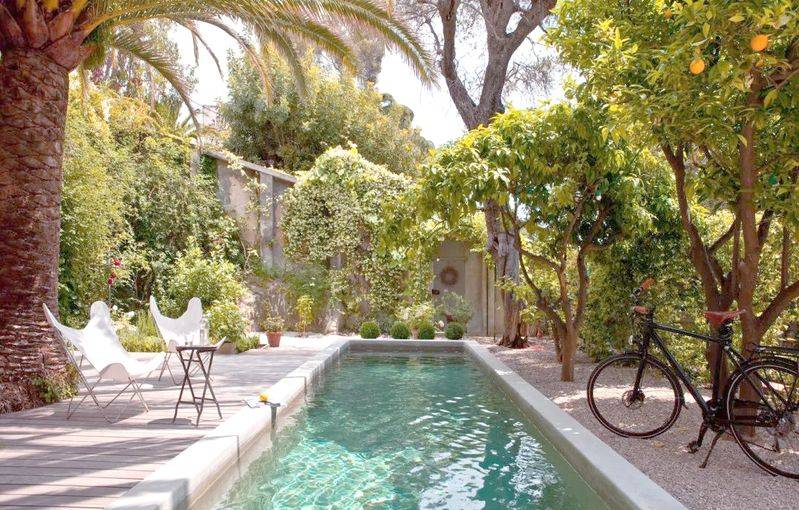
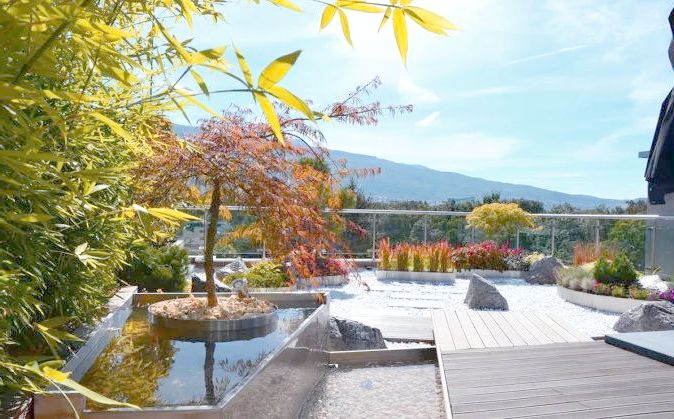
The variety of gardens
In the area of roof greening, many types of garden design exist. These designs are not only of different styles, but also focused on functions. Among them, the greening of garden roofs is designed to be a natural landscape and to seek harmony with the natural environment; the greening of modular roofs creates unique and layered green spaces through the clever integration of multiple elements; and the greening of lawn roofs is appreciated with their open vision and comfortable leisure environments。
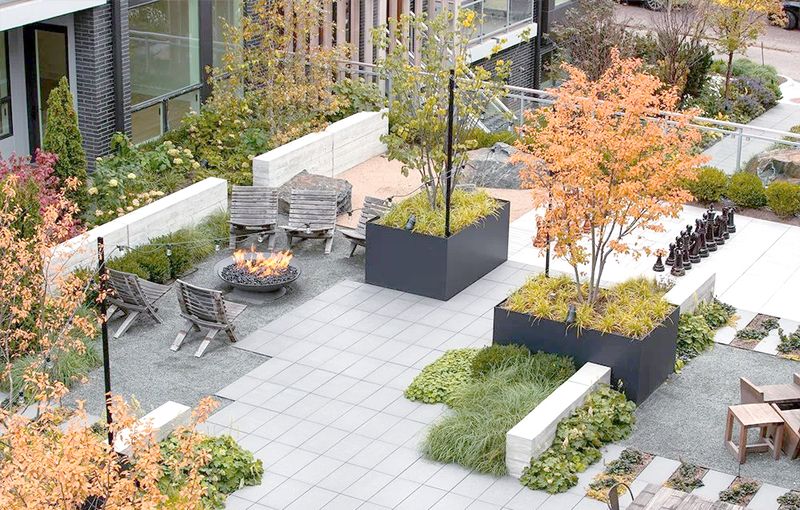
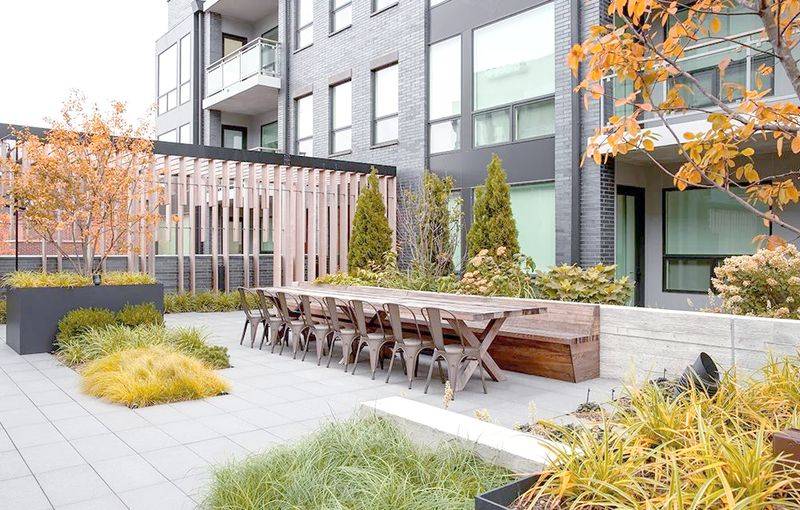
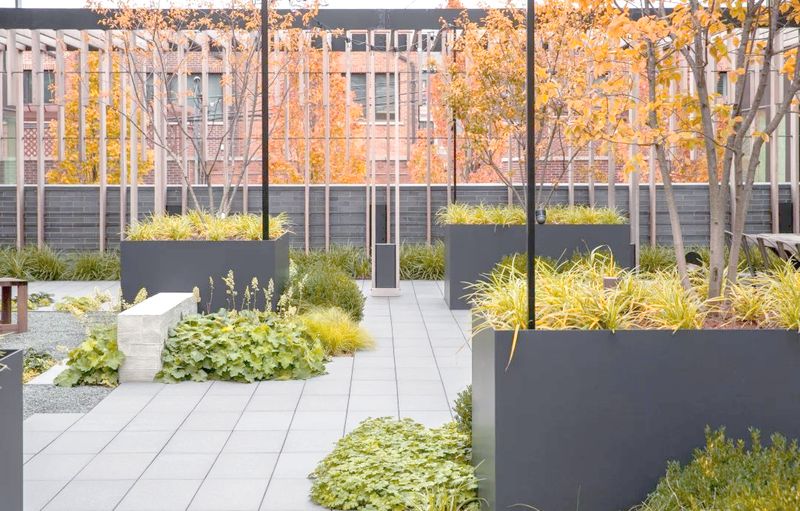
Structure level of the garden
In exploring garden design, we have to focus on its basic structure. In beijing, the ye lin logo of the beijing institute of architectural engineering divides the structure of the farm floor into seven levels, including planting media, quarantine filters, drainage, root-resistant penetrators, scrolls or membranes, as well as the search for floors and slopes. Careful design at these levels provides a solid basis for the stability and beauty of the gardens。
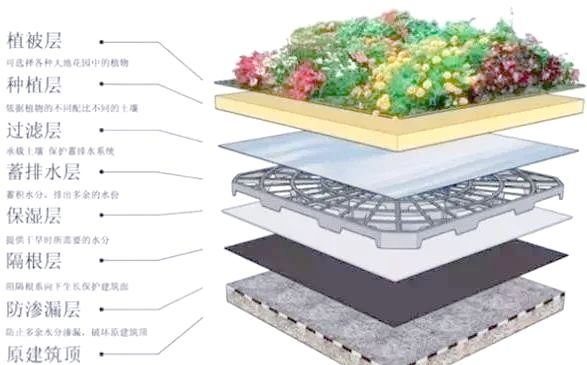
1) vegetation layer
For flat roofs with a gradient of no more than 3 per cent, the greening of the floor is an appropriate option. The level of waterproofness of such premises is 1-2 and must ensure a durable life of at least 25 years. When planting the wood, it should be placed at the bearing beam and the top of the pole and ensure that the wood is at least 5 metres away from the daughter's wall in order to ensure its healthy growth。
(2) cultivation of the earth
Typically, planting soil is based on field-farmable soil, which is then mixed with loose matter to create soil suitable for plant growth。
3) filter layer
The main function of the filtration layer is isolation and water penetration, often using materials such as swirling, glass or plastic sheeting, and not adhesive when connected to ensure good water penetration。
4) sewage (accumulation)
The design of the drains is based on the condition of the roof drains. In order to meet plant demand for soil, the rate of water loss in the cultivation of the earth layer must be properly controlled in order to prevent plants from drying up due to water shortages. At the same time, it is important to prevent excessive water content from being planted so that plants do not rot and thus affect their normal growth。
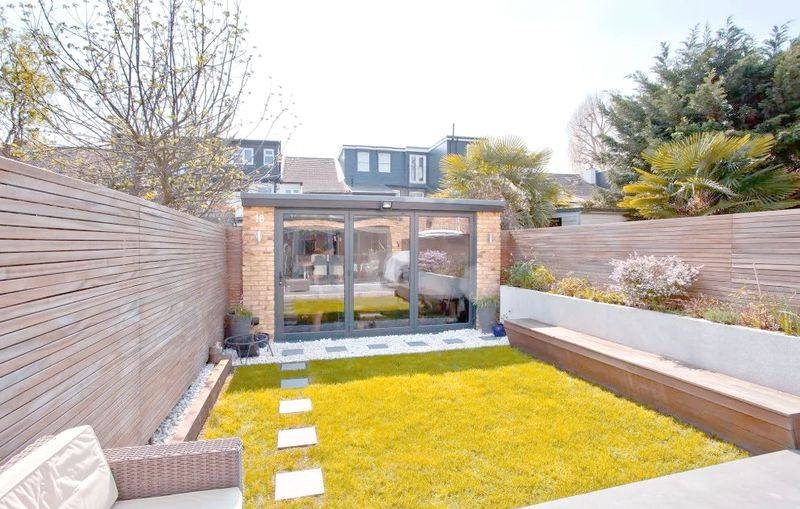
5) humidity layer
In times of drought, humid layers can provide plants with the necessary moisture to ensure that their normal growth is not affected。
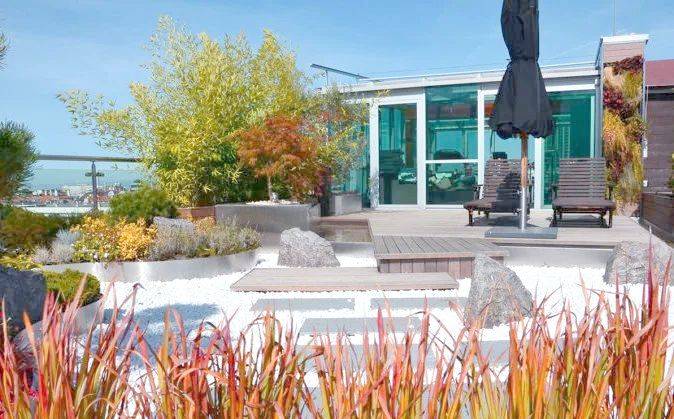
6) isolated filter layer
Between planting media and drainage, an isolated filter layer is usually set up. This layer, which uses non-swidden or plating materials, is permeable and can effectively prevent soil erosion. The lower part is directly connected to the drainage layer, while the upper part is attached to the lower substrate (accumulation) layer. The design of the seams is essential, with an effective width of 10-20 cm and extending to 5 cm below the surface surface of the wall on the side of the building to ensure filtering and structural stability。
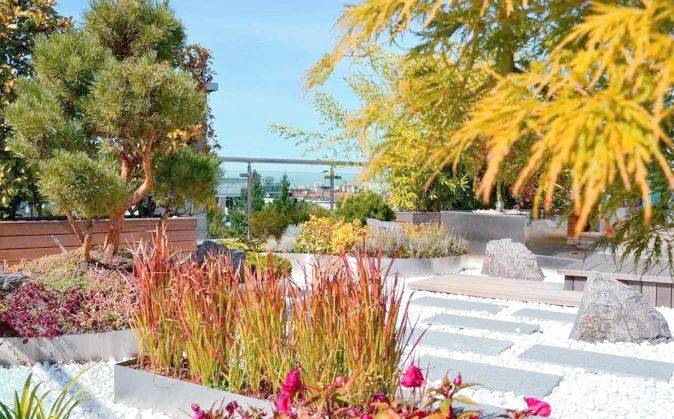
7) waterproof
To ensure water resistance, two water defences are usually required. Common materials include synthetic high-molecular scrolls and coatings, such as polyvinyl chloride rolls selected with a thickness of 5 mm and a medium width; at the same time, polyurethane or silicon rubber coatings can be combined with a thickness of 2 mm. Also, a combination of high-density polyethylene rolls and silicon rubber or polyurethane coatings is a good option。
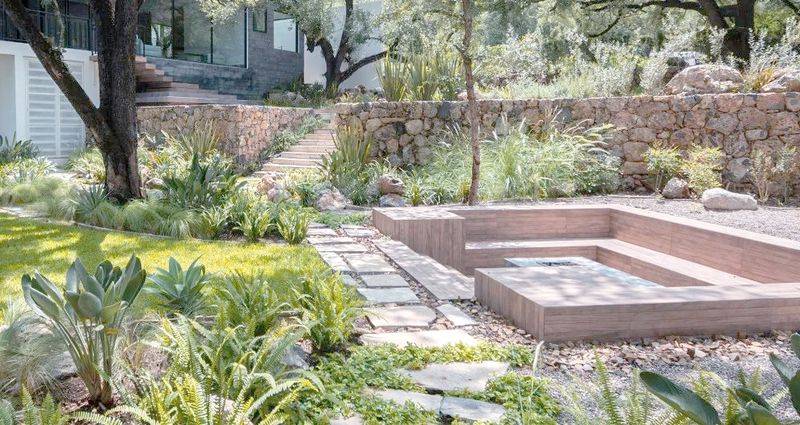
Plant configuration
Plant conversion
Top garden plant selection points and characteristics
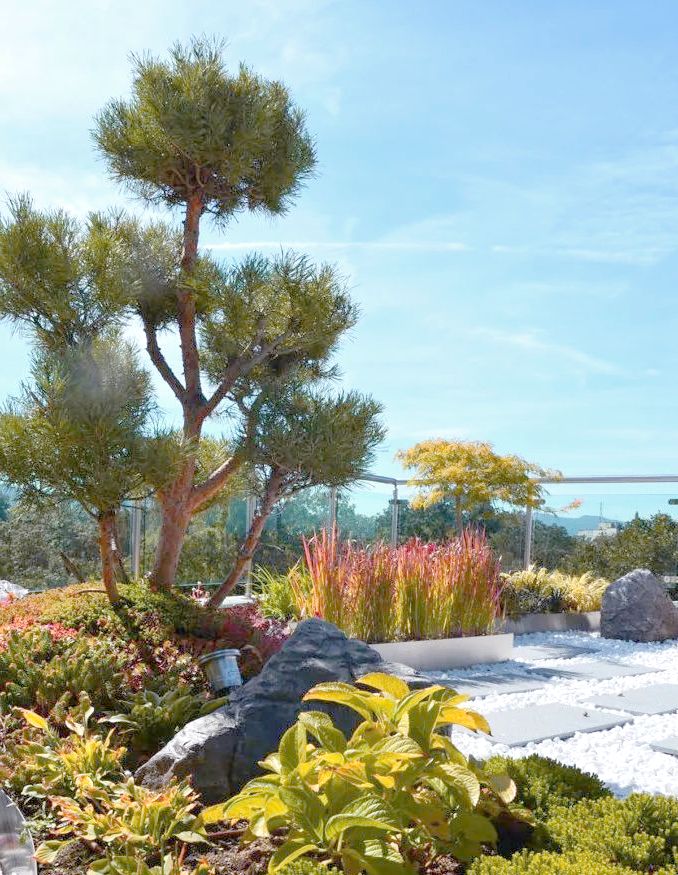
The choice of small, drought-resistant shrubs and herbs to adapt to the roof environment。
Select the shallow roots of positive, infertile and water-resistant plants to ensure that their growth is not affected。
Selecting species of plants that are strong and resistant to wind, which are not prone to reversal, ensures safety and beauty。
Focus on cold resistance, choosing plants that can survive safely in winter, and ensuring a four-season landscape。
To the extent possible, native plants are used to adapt to local climatic and soil conditions。
Plant simple, manageable and slow-growing trees and reduce maintenance costs。
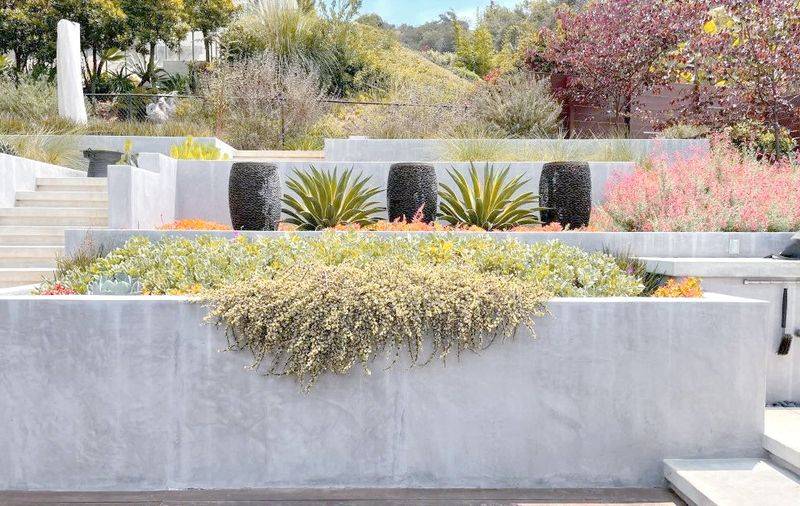
The choice of planting soil
In the roof garden, trees are planted using a matrix that not only provides the necessary moisture and nutrients, but also, as far as possible, select light materials to relieve pressure on the surface. Common matrices include fields, peat, grass carbon and wood crumbs. These light-mass artificial soils are lighter and, at the same time, can be further improved by the use of soil improvement agents to ensure good water conservation, ventilation and drainage。
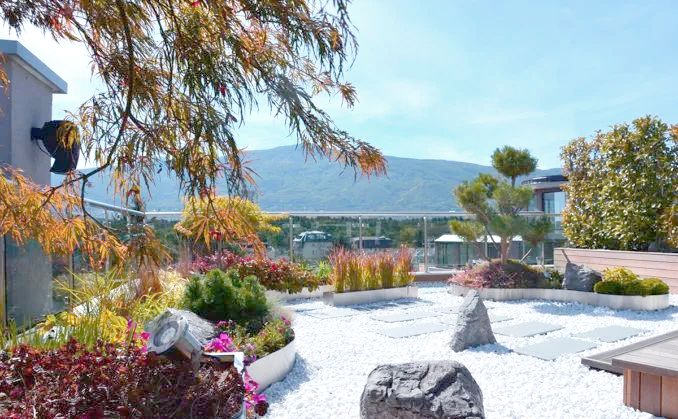
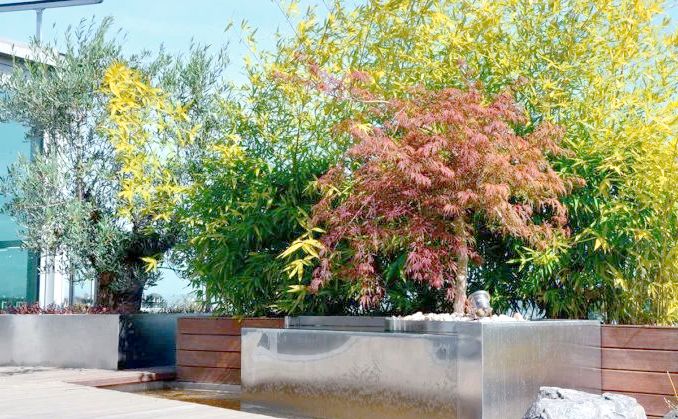
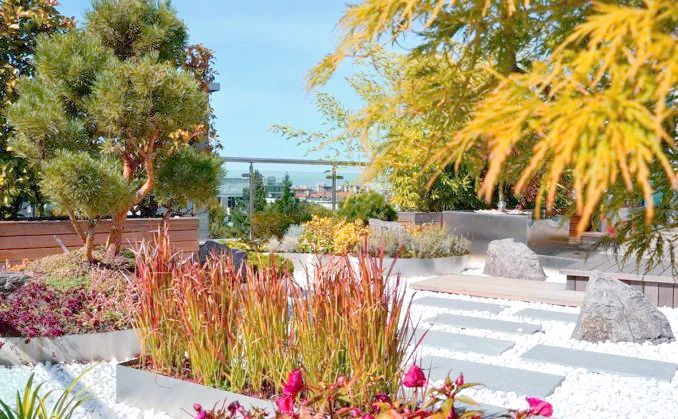
If you have an open balcony, why don't you build a garden that belongs to you, where you'll be baptized in every storm and sun. At the same time, the roof garden is undoubtedly an efficient and unique greening method that both glosssses the environment and contributes to urban ecology in the context of today's urban construction and limited greening space。