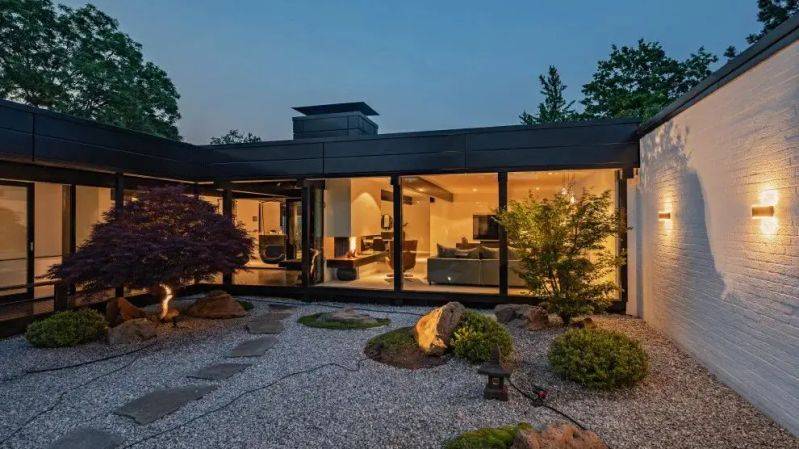
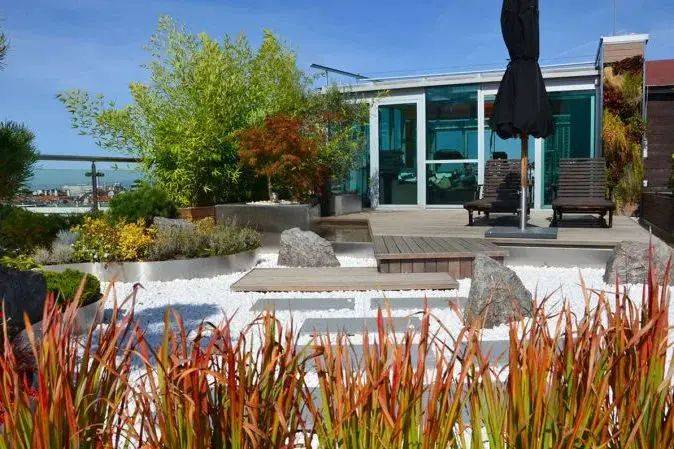
The roof garden, from the point of view of physical proximity to nature and the comfort and practicality of the dwelling, is the most appropriate form, and we will speak today about its design。
Architectural requirements
Building assessments
Prior to the construction of the roof garden, priority was given to considering whether high points of the building were considered to be non-constructive: the ceiling load, the slope of the roof and the height of the building were all considered。
:: houseload
The design should be made of structural layers using solid concrete panels built or prefabricated. At the same time, larger attractions, such as kiosks, galleries, flowers, ponds, fake mountains, etc., should be designed to be in positions of weight bearing structure or smaller spans, with light materials such as man-made soil, peat and decomposed soil being selected to the extent possible。
The roof garden design specialist gave the following equation: the roof allowed load weight > the maximum humidity weight of a certain thickness planting layer + the weight of a certain thickness drainage substance + plant weight + other matter weight。
Roof slope
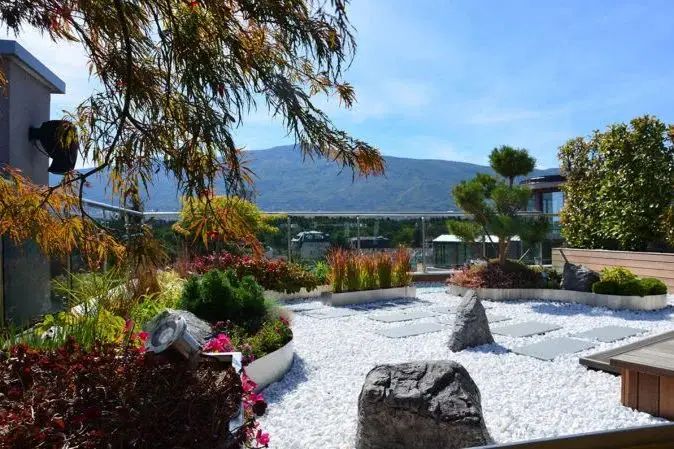
A flat roof and a slope of less than 15 degrees above the roof may be made green. The flat roofs apply to the greening of garden, modular or lawn roofs, while the slope roofs apply to the greening of lawn roofs。
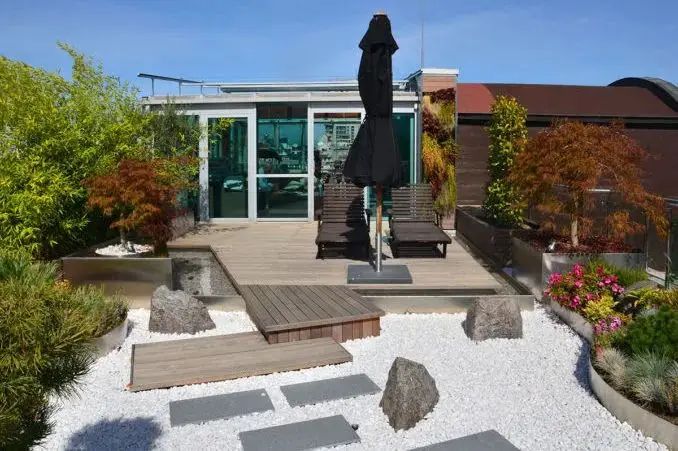
Construction height
Building roofs below 6 floors and below 18 m height
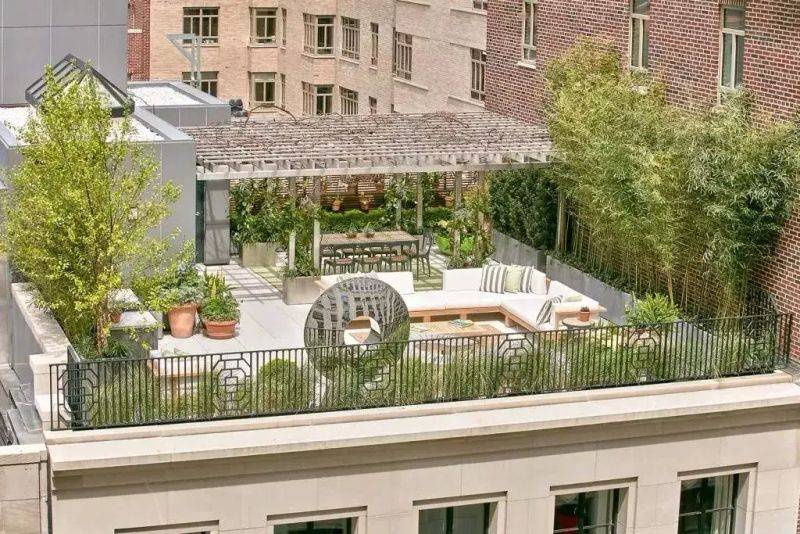
Water body design
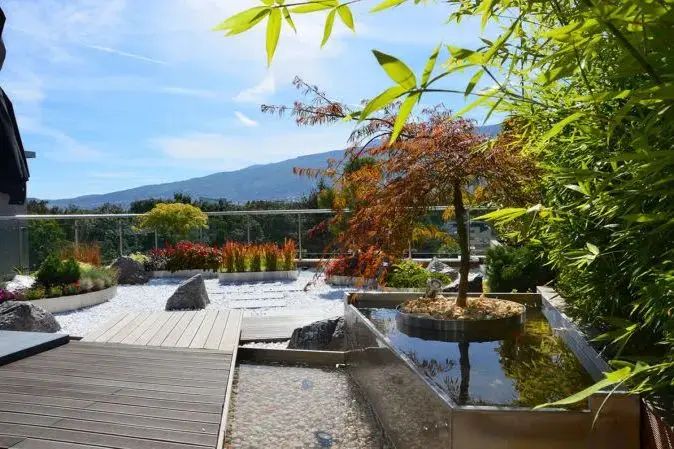
Water is an indispensable element in greening, and more often than not, the way the landscape is made. Therefore, the design of water bodies may be considered to the extent permitted by the roof load。
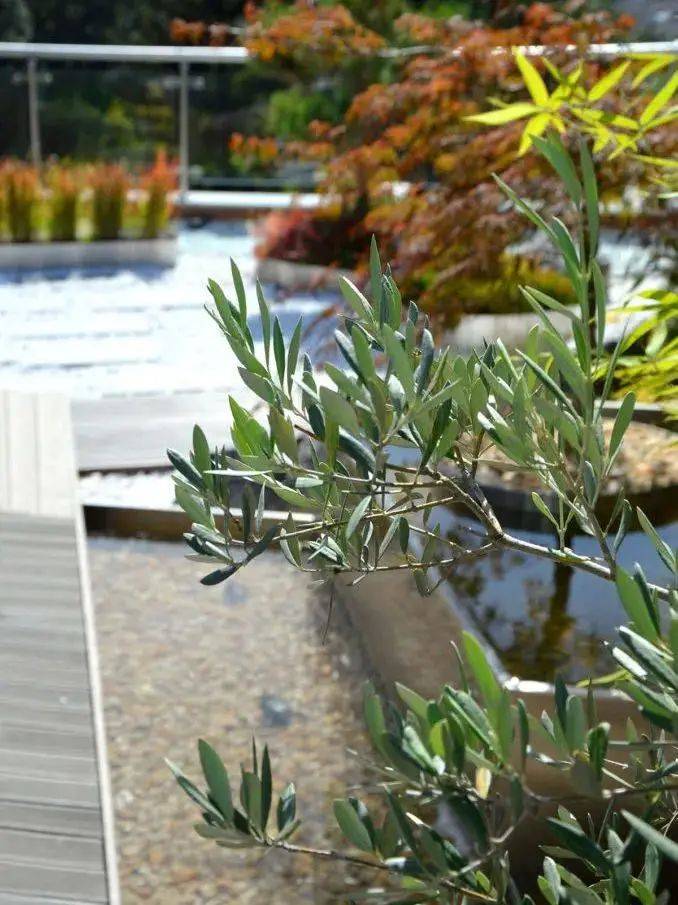
The multi-construction of small, shallow viewing ponds, the shape of which is free or geometrical, with depths of 300-500 mm, along with the base of the building park. The small size of the water in the roof reservoir allows for a combination of fountains to ensure clean water quality, using a cycling system that saves water and often keeps it clear。
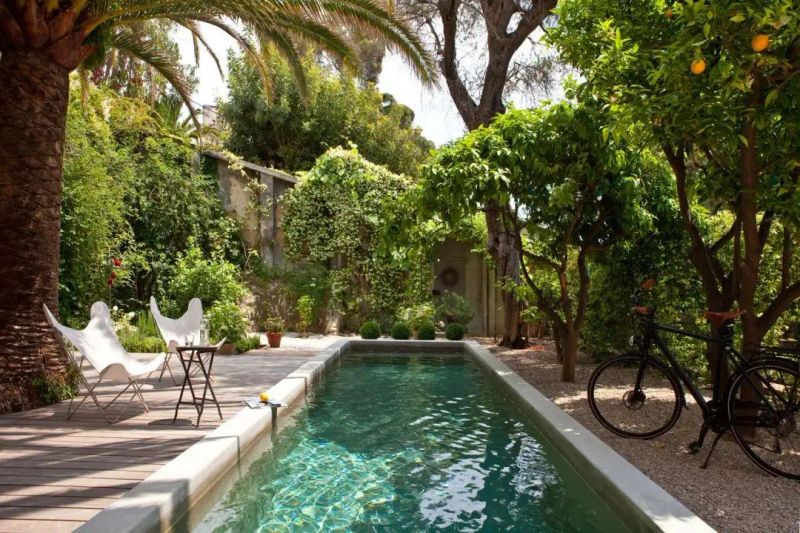
Basic type of garden
Basic forms of gardens
Greening of garden roofs
Greening of modular roofs
Greening of the lawn roof
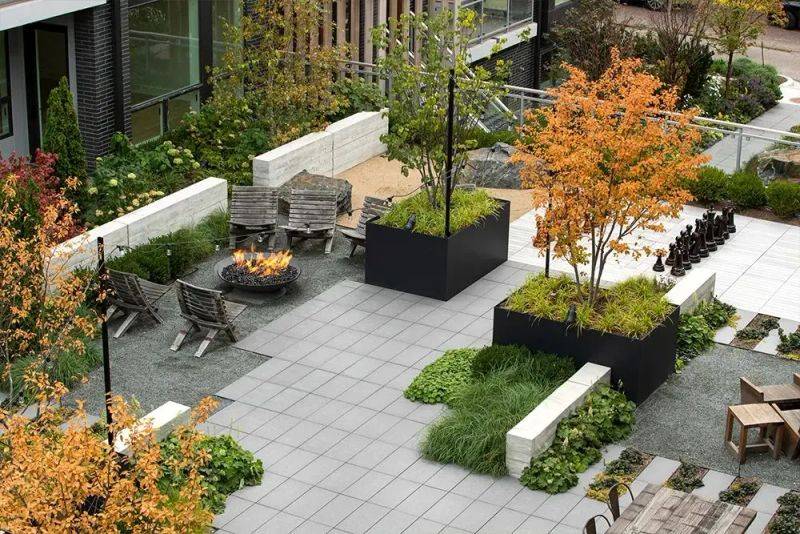
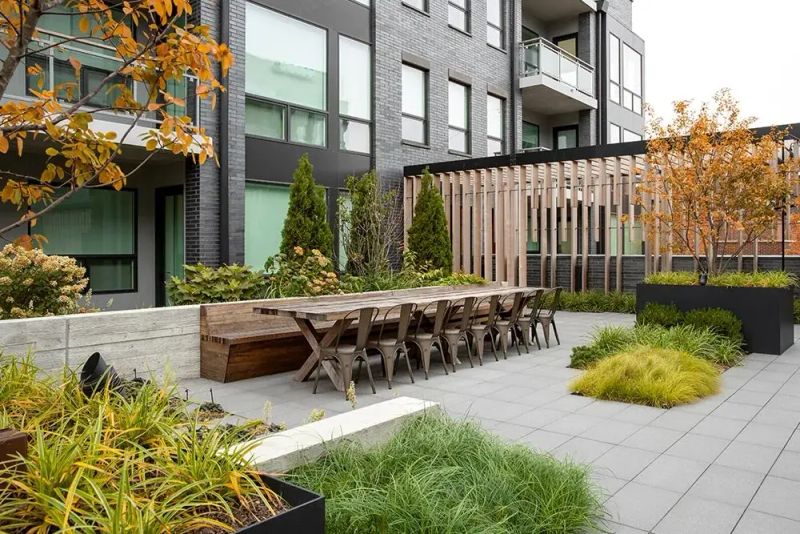
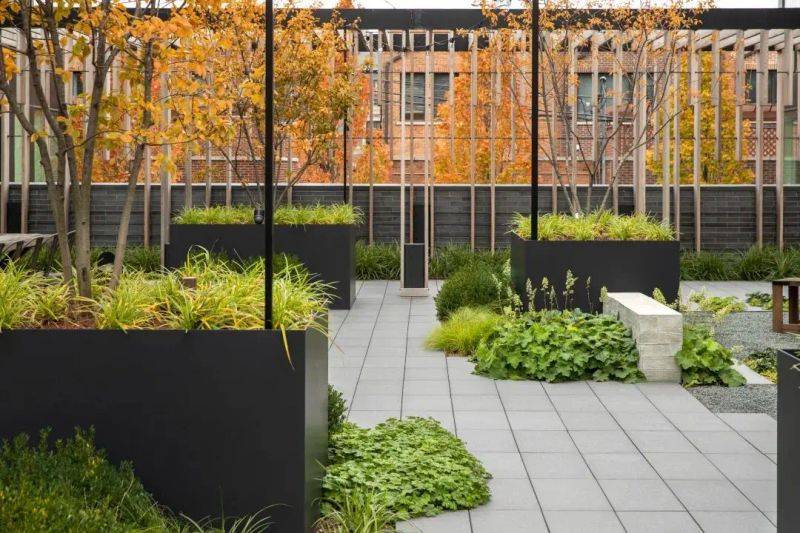
Basic structure of the garden
Basic discipline of garden
The beijing institute of architectural and engineering, yfl, divided the tectonic layers of the farm floor into seven layers: planting media, quarantine filters, drainage, root-resistant penetrators, scrolls or coatings, looking for floors and slopes。
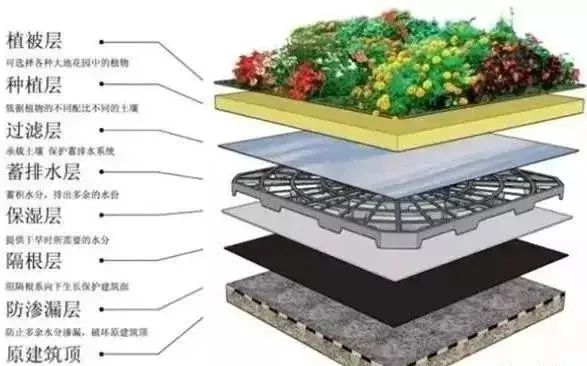
1) vegetation layer
The greening of houses is applied to flat roofs with a slope of not more than 3 per cent, with water-protective classes of 1-2 and durable life of more than 25 years. The wood plantation will need to be located at the bearing beam and the top of the pole. The tree shall be planted at a distance greater than 2. 5 m from the daughter's wall。
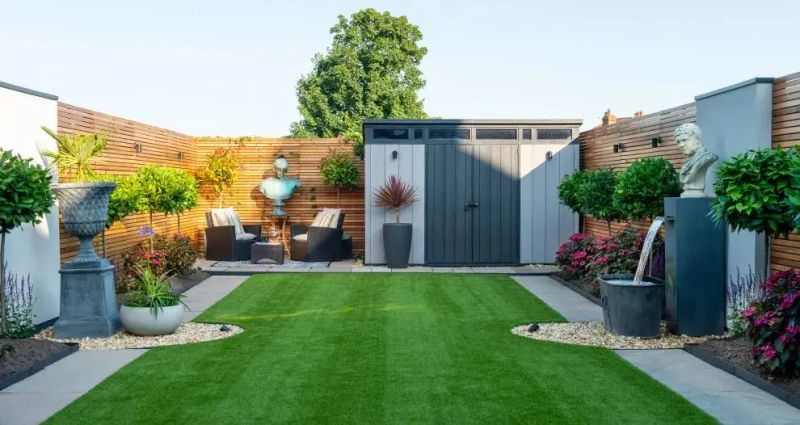
(2) cultivation of the earth
Soils that can be cultivated in the field are generally used as a base and then mixed with loose matter。
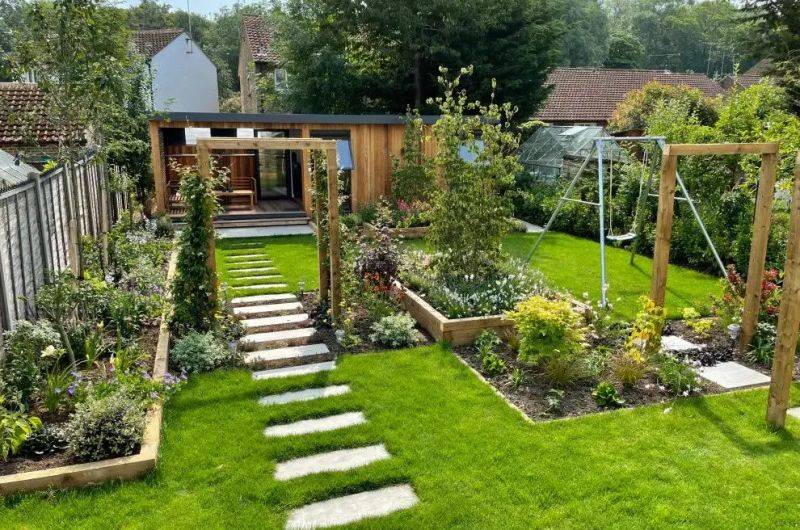
3) filter layer
The separation layer may be covered by a swirl-free, glass-coated sheeting or plastic sheeting, which is not adhesive to the water。
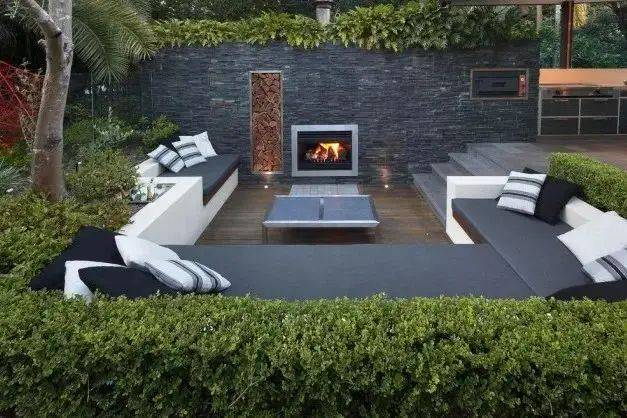
4) sewage (accumulation)
The drainage (accumulation) layer should be designed in accordance with the roof drains, in accordance with the requirements of the plant for the soil, the loss of water and the vulnerability of the plant to dry and dry water, and the excessive water content of the layer, which in turn can cause plant decay and growth。
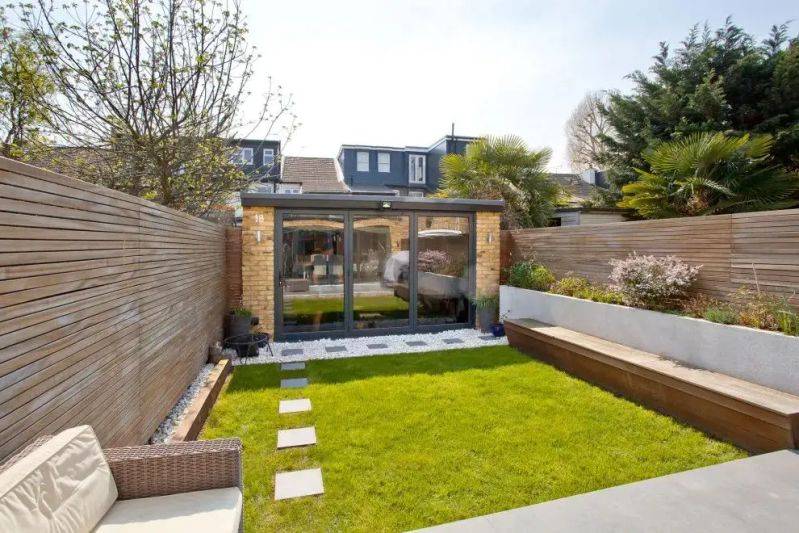
5) humidity layer
Provide the moisture needed during drought。
6) isolated filter layer
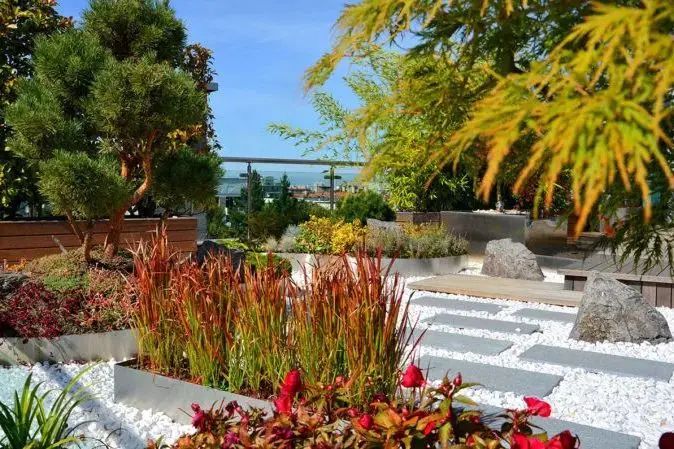
Segregated filters are between planting media and drainage, using a no-width or ablution, which can penetrate water and prevent soil erosion。
The lower part of the filtration layer is a drainage layer, which generally uses materials such as water-penetrating and filtration-free polyester fibres, with an effective width of 10-20 cm on top of the substrate (accumulation) and extending to 5 cm below the surface of the building side wall。
7) waterproof
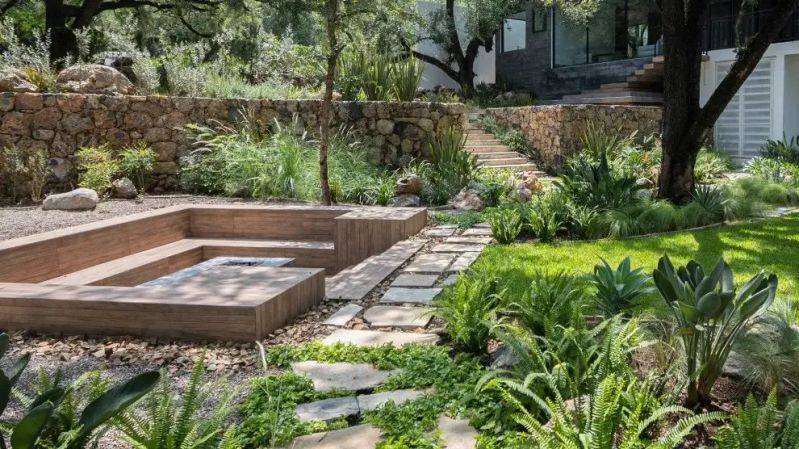
Two defenses are required for the water layer. For synthetic high-molecular rolls and coatings, the choice is to have a wide p-banded polyvinyl chloride rolls of 1. 5 mm or a high-density polyethylene volume of 1 mm thick and a 2 mm thick polyurethane or silicon rubber coating; the option is also to have high-density polyethylene rolls and a silicon rubber or polyurethane coating。
Plant configuration
Plant conversion
Requirements and characteristics of roof garden plant selection
1) selection of drought-resistant shrubs and herbs
2) the selection of positive, infertile and water resistant shallow roots
3) selection of wind-resistant, non-volatile plant species
4) selecting plants that are more resistant to cold and that can rise to winter in the winter
5) to maximize the use of native plants
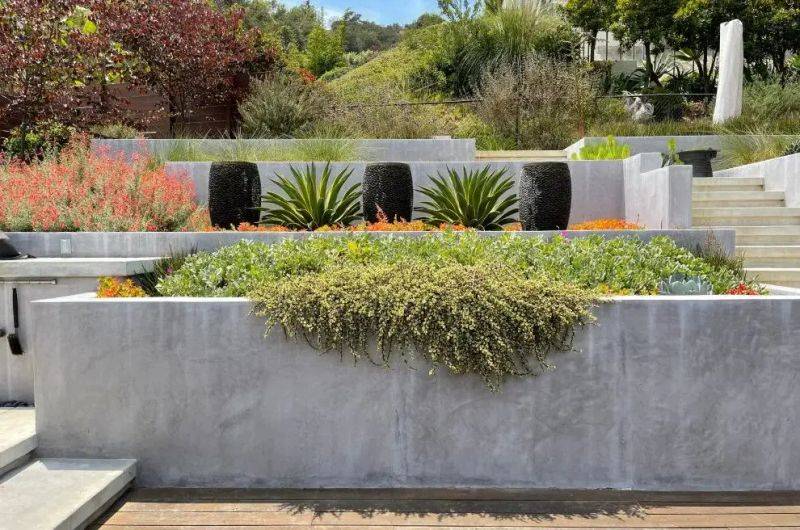
6) easily grown, resistant to shearing and slow-growing trees。
Planting soil selection
In addition to meeting the general requirements for the provision of moisture and nutrients, the foundation for tree planting in the roof garden should, to the extent possible, use light materials to reduce the floor load。
The basics used are field soil, peat, grass carbon, wood crumb, etc. Light-quality artificial soils are self-preferenced, with the use of soil improvement agents to facilitate the formation of contour structures that are hydrogenic and air-friendly and easily drained。
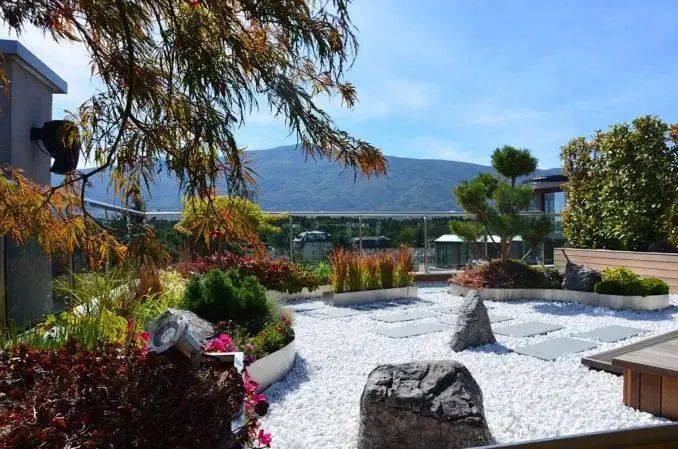
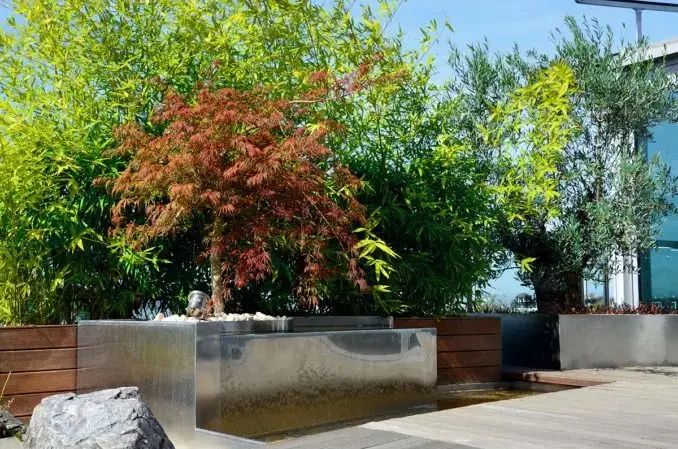
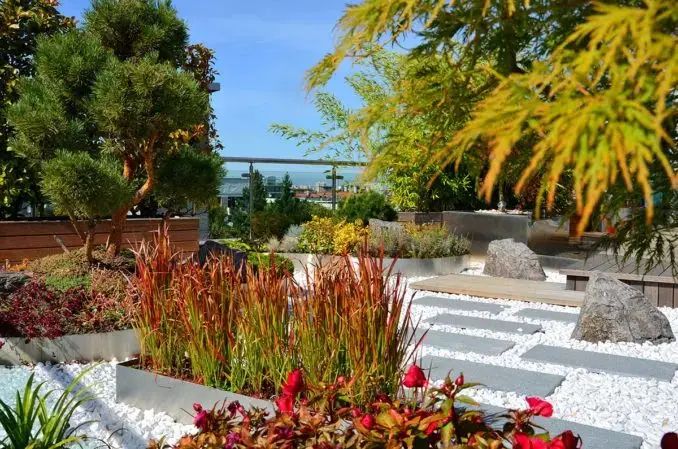
If you also have an open balcony, it would be useful to also build a garden to witness every wind blowing and, at the same time, a very effective greening model in terms of increasing urban greening coverage and improving the urban ecological environment, at this stage of the urban construction。