


The causal chain theory of the heinrich accident, also known as the "accident pyramid", is an accident analysis theory developed by united states engineer herbert william heinrich at the beginning of the twentieth century. This theory seeks to explain the causes and relationships of accidents and how they can be prevented through interventions. The heinrich doctrine has important implications in the area of security management, helping to better understand the causes of accidents and thus taking measures to reduce the risk of accidents。
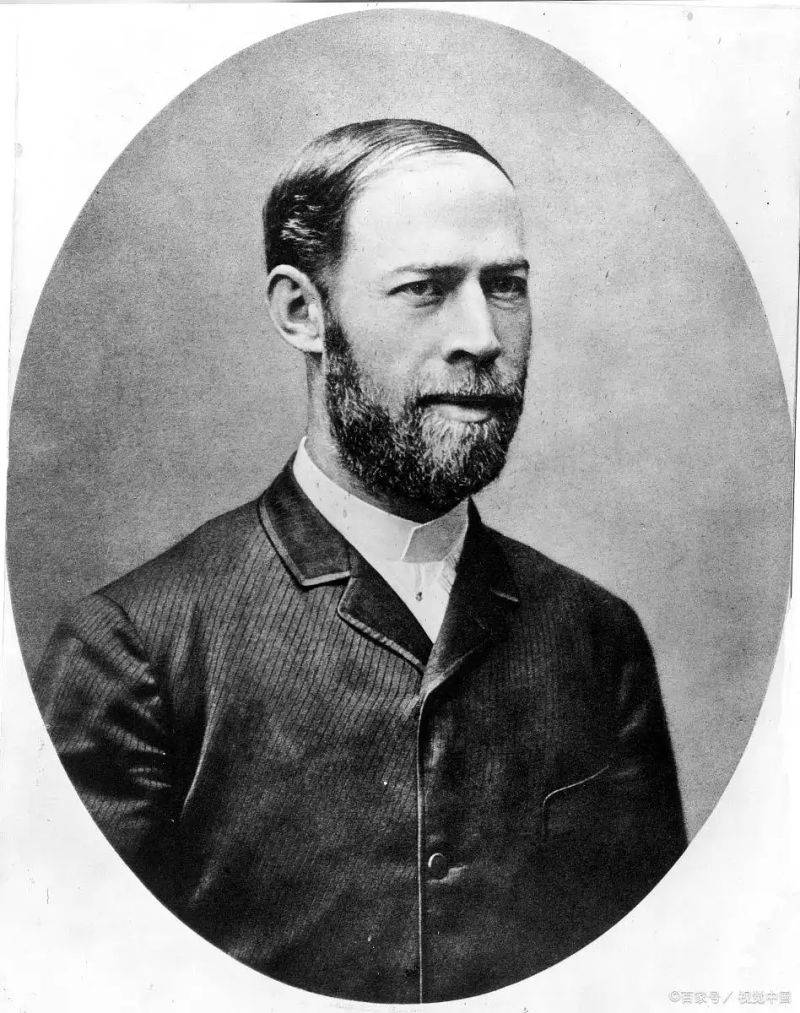
The causal chain theory of the heinrich accident can be summarized as follows:
1. Rationale: according to the heinrich theory, the accident did not occur suddenly, but arose from the interplay of a series of factors and events. He introduced the concept of the “accidental pyramid”, which consisted of different layers of factors, the bottom being the most basic cause and the top being the specific incident。
2. Accident pyramid: heinrich divides the accident pyramid into five layers, ranging from the bottom to the top: underlying causes (unsafe acts and protocols), direct causes (unsafe practices), accidents (accident), minor injuries and serious injuries, and deaths. He believes that there may be 29 minor injuries, 300 accidents and 3,000 unsafe acts per fatal accident. Thus, accidents can be effectively prevented through intervention of underlying causes at the bottom。
3. Causal chain: heinrich emphasized that the accident had occurred as a result of the interconnectedness and interaction of a number of factors. In his view, the underlying causes included, inter alia, human insecurity and insecurity, which could lead to direct causes and eventually to accidents。
4. Preventive measures: heinrich believes that in order to prevent accidents, it is essential to reduce insecurity and insecurity by improving the security environment, training staff and establishing safety protocols. He introduced the concept of "triple prevention", namely engineering prevention, administrative prevention and personal prevention, to ensure that the incidence of accidents was minimized。
In general, the chain of causes and consequences of the heinrich accident emphasizes that the cause of the accident is the result of the interaction of multiple factors, which can be effectively prevented through intervention at the bottom of the underlying causes. This doctrine is widely applied in security management and helps organizations and enterprises to develop more scientific safety policies and measures, thereby safeguarding the safety of workers and the environment。



