011. Overview of orchid cultivation
1. 1 varieties selection
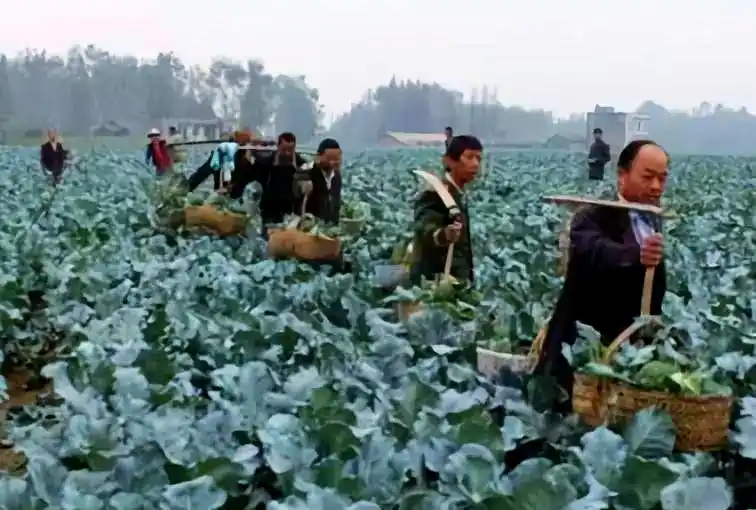
When planting broccoli, the choice of suitable varieties is a priority. Depending on the characteristics of the different varieties, we can select pre-maturized or medium-maturized species of broccoli, such as cold-resistant and disease-resistant green winds, as the main options for side-side production。
1. 2 seeding and breeding
1. 2. 1 preparation of seedbeds
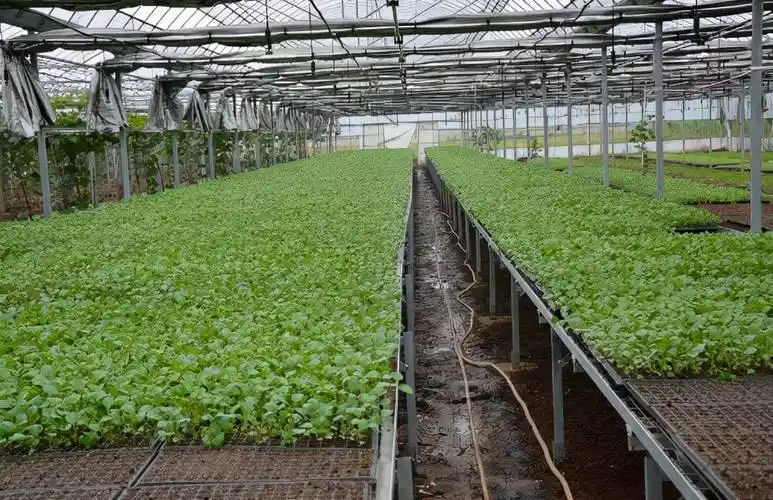
Following the selection of suitable species of broccoli, the next step is seeding and breeding. The choice of seedbeds is essential, and it should be located in high ground, fertile soil and well drained water, suitable for sand. The selection of seedbeds on plots that have been planted with kale or cabbage has been avoided. Prior to seeding, 15-20 kg of corroded compost per square metre was applied as base fertilizer. A ditch is to be opened according to a net surface of 1. 5 metres, with a width of 40 centimetres and ensuring that it is flat。
1. 2. 2 sowing
The proper planting time is from late july to early august. Use of pharmaceutical agents to combat underground pests and ensure sufficient bottom water. More than 3,000 seedlings per square metre are available, sufficient to move one acre to the field. Before seeding, it is possible to use severin or loes to combat possible underground pests and to adequately water the bottom water. At seeding, 25 per cent of the polymix 20 g mixed with 1. 5-2 kg of fine soil were spread evenly into seed beds and then seeded and covered the soil. Finally, sheds are built and covered with sunnets to maintain a suitable growth environment。
1. 2. 3 slimbed management
In the case of broccoli seedlings, protection and moderate shade of the sun is required. If the bed is too dry, sufficient water can be poured in the evening. When the seedling grows to the heart of the three leaves, the sunnet is gradually exposed for seedling in order to adapt to the post-planting environment. When a seedling grows to four to five leaves, it can be moved to daejeon。
1. 3 cultivation density
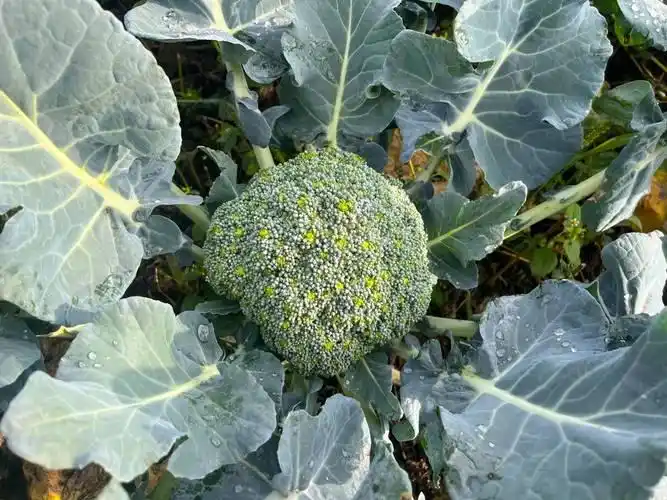
Following the harvest of the main flower ball, and in order to ensure the sound growth and development of the side branch flower ball, the strains need to be properly dispersed. Reasonable planting density ensures good inter-plant ventilation. Therefore, there is a need to rationalize the level of sophistication at the time of planting. As a rule, cultivation is recommended at a distance of 55 centimetres and 60 centimetres, so that between 2100 and 2,200 broccoli are grown per acre to ensure optimal cultivation。
Field management
2. 1 cultivation, weeding and cultivation
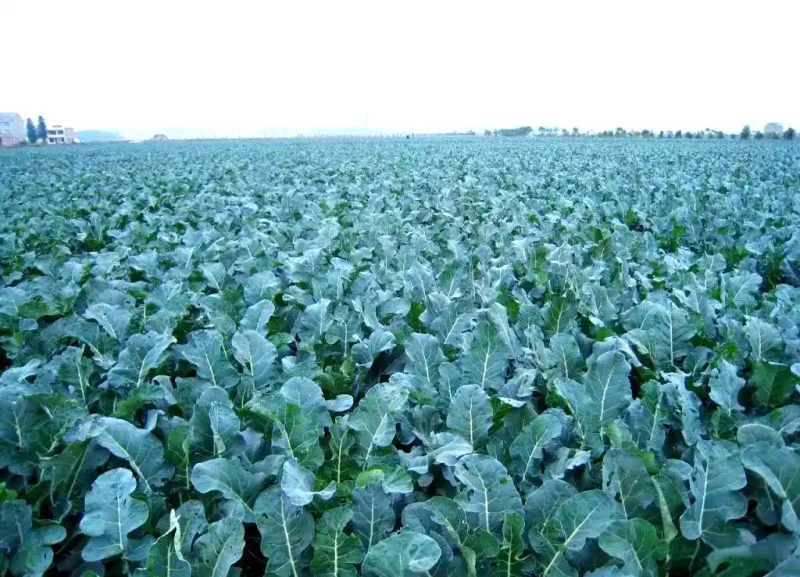
The first planting shall take place after the orchid has been established and has been delayed. The planting was followed by medium cultivation and two plantings of soil in conjunction with fertilization. When farming, it can be deep in a place far from the seedlings, while in a place close to the seedlings it can be lightened to avoid injury to the roots. At the same time, in the process of farming in china, seedlings should be cultivated to plant their plants and prevent inversion。
2. 2 fertilizer water management
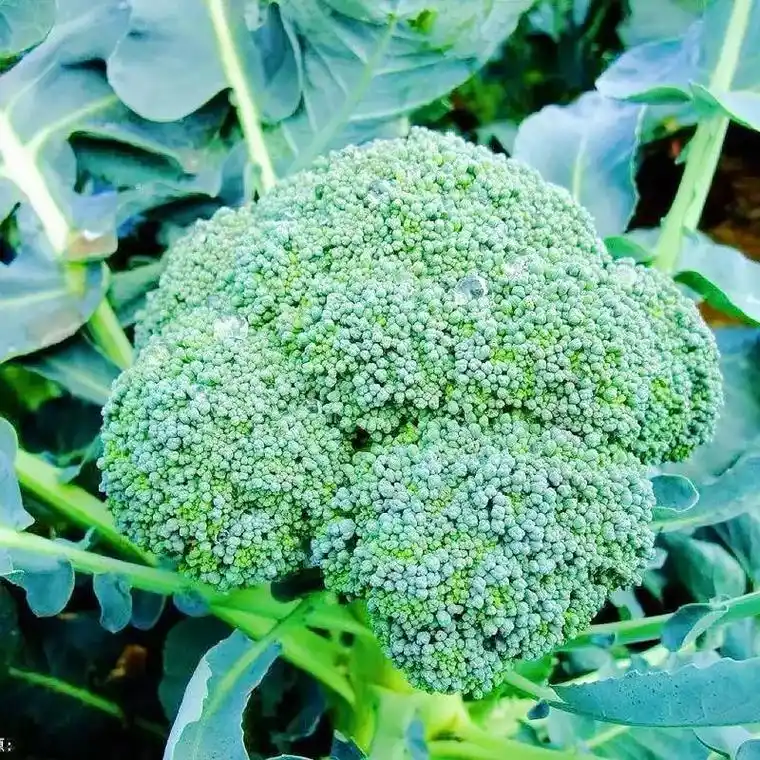
The broccoli, as a vegetable with a high level of fertility, especially during its growth, requires multiple pursuits to ensure that the plant grows robustly, thereby increasing the assimilated area and increasing the production of flower balls. Many times, the pursuit of fertilizer has contributed to the growth of plants. Usually, 10-15 days after a slow-down seedling, we start to fatten up for the first time with 10 kg wet urea per 667 m2, 15 kg ammonium phosphate and 7. 5 kg potassium sulphate. At the height of the plume, oscillation of 0. 05-0. 1 per cent of the boar solution and 0. 05-0. 1 per cent of the ammonium molyte solution can be sprayed on the side of the leaf in order to improve the quality of the bud and reduce the appearance of the acupuncture. Following the harvest of the top flower ball, the proper pursuit of a thin fat will help to increase the yield of the side flower ball and extend the harvest period. It needs to be noted, however, that excessive application of nitrogen fertilizer should be avoided in the later stages of fertility in order to prevent the planting of plants from decaying。
2. 3 side branch management
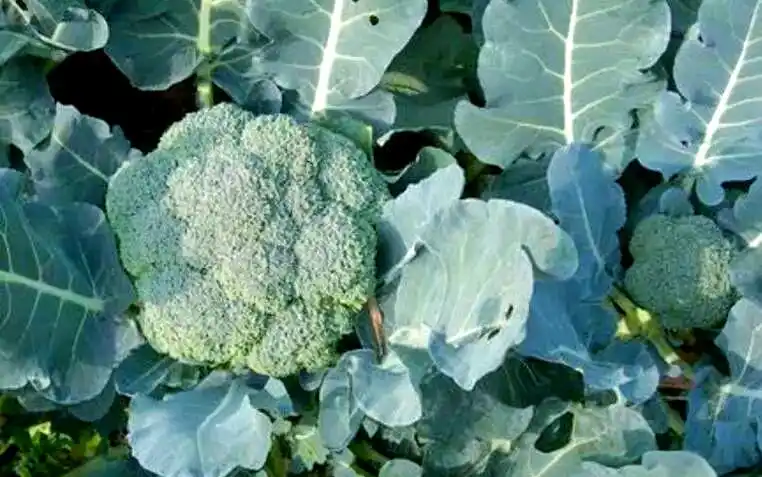
For the sole species of the top flower ball, the side sprouts should be removed before they are collected to ensure the nutrient supply of the main flower ball. To ensure the nutritional supply of the main flower ball, the thin side branches are removed in a timely manner. When the average daily temperature falls below 10°c, all branches should be removed in time for nutrients to be able to concentrate on the main flower ball。
Pest control
3. 1 frosty
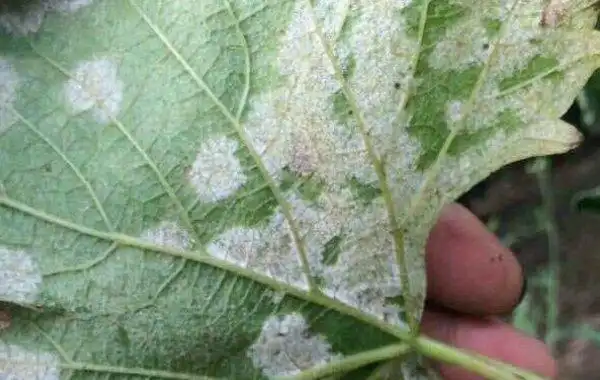
Frosty is a widespread disease that affects mainly the leaves of broccoli. In the light of high rainfall and low temperature conditions, cultivation needs to be properly planned and drug sprayed on a regular basis. When temperatures range from 7°c to 13°c, frost is most prevalent, while at 25°c the disease tends to remain static. In order to combat the disease effectively, we can clean up the fields before tillage, plan cultivation density rationally and use semi-high cultivation. At the onset of the disease, 75 per cent of the 100 bacterial wettable powder 500-800 times more can be sprayed, or 65 per cent of the dyssey zinc wettable powder 500-700 can be sprayed, or the bordeaux can be used at 1:2,300. It is recommended to spray every 7 to 10 days, which will significantly improve the effectiveness of the response。
3. 2 bacillus nuclear disease
The incidence of chromosomes in northern china is relatively low, but should be addressed at an early stage. Reduction of interfacing with cross-facility crops and strengthening of early disease prevention. 50 per cent of tobzin 500 times the fluid, 25 per cent of the polybacterium 500 times the fluid, or 0. 2-0. 3 per cent of the bordeaux fluid, are recommended for spraying every seven days, with two to three successive sprayings, and focus on the root and surface of the tubers。
3. 3 black spots
Black spots are likely to occur at all stages of growth, mainly targeting leaves. Different temperatures are prone to occurrence and there is a need to improve planting conditions and timely use of pharmaceutical agents. Black spots are most prevalent when the relative humidity exceeds 85 per cent and the temperature is in the range of 17°c to 20°c. An effective response to the disease requires a range of measures, including the cleaning of fields to reduce the growth of pathogens and the sterilization of seeds. In the case of an initial outbreak, 50 per cent of the ammonium dyson can be sprayed with 1,000 times the fluid, once every 7 to 10 days, and twice to three times continuously. Please note, however, that medication must be discontinued 15 days before harvest。
3. 4 vegetables and moths
A variety of methods can be used to combat larvae and moths. First, the control was carried out with a cyanobacteria of 1,200-1500 times liquid, with 0. 1 per cent of laundry powder added as a glue to improve the effectiveness of the control. When field infestation is high, a choice can be made to use 20% mirex 2000 times or 90% of trichlorfon crystal 800 times. Through these measures, pests can be effectively controlled。
Harvest techniques
4. 1 timing and methodology
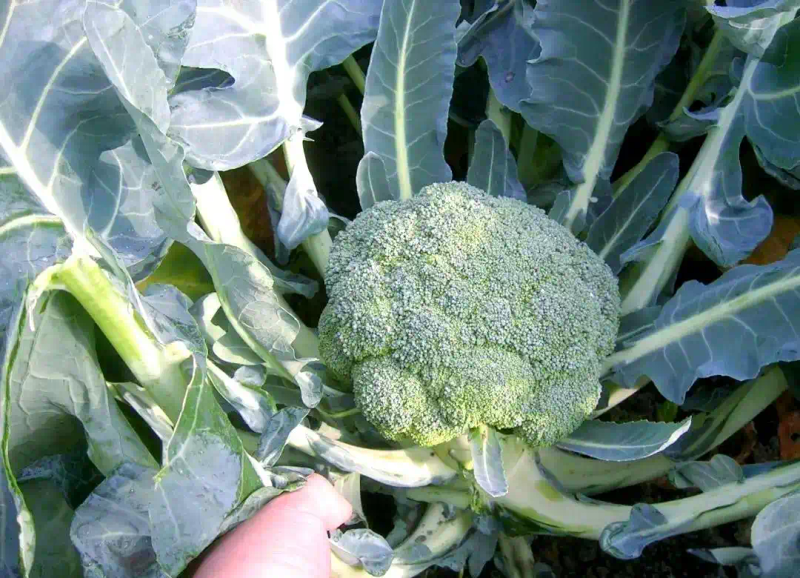
Quality and yield are ensured by timely harvest. During the appropriate harvest period, the flower ball shall be fully grown up, and the buds shall be fully purified and tight to ensure the best quality and yield. It is recommended that water be watered every 2-3 days during the harvest period, which will help to improve production and quality. The best harvest time is early and late. At the time of harvest, please make sure to keep 3-4 leafs around the florist ball for protection purposes. Owing to the delicate organization of the broccoli, extra care is required in harvesting and handling. In order to ensure safe transport, plastic baskets or boxes are recommended and should not be overfilled to prevent crushing。