Automotive beauty and maintenance services process
1. Chapter i automotive beauty theory
1. 1 summary of car beauty
1. 2 car beauty tools and equipment
1. 3 overview of car beauty processes
1. 4 analysis of common car beauty problems
1. 5 standards for car beauty services
Chapter ii car cleaning and maintenance
2. 1 vehicular cleaning process
2. 2 car interior cleaning and maintenance
2. 3 car chassis cleaning and maintenance
2. 4 vehicle anti-fouling and rust control
2. 5 vehicle maintenance and maintenance process
Chapter iii automotive beauty operating techniques
3. 1 car body beauty operations
3. 2 car interior beauty operation
3. 3 car glass and window handling
3. 4 car paint treatment and protection
3. 5 regulation of the use of motor vehicle beauty tools
Chapter iv basics of car maintenance
4. 1 summary of car maintenance
4. 2 vehicle maintenance tools and equipment
4. 3 overview of vehicle maintenance processes
4. 4 analysis of common vehicle maintenance problems
4. 5 vehicle maintenance service standards
5. Chapter v motor vehicle maintenance operating techniques
5. 1 motor engine maintenance operations
5. 2 car chassis maintenance operations
5. 3 vehicle electrical system maintenance operations
5. 4 vehicle transmission system maintenance operations
5. 5 regulation of the use of vehicle maintenance tools
6. Chapter vi automotive beauty and maintenance services process
6. 1 car beauty service process
6. 2 vehicle maintenance services process
6. 3 quality control in service processes
6. 4 client communication and management in service processes
6. 5 safety and environmental requirements in service processes
7. Chapter vii car beauty and maintenance services management
7. 1 overview of service management
7. 2 service personnel management
7. 3 service flow management
7. 4 quality management
7. 5 cost control and optimization of services
8. Chapter viii analysis of car beauty and maintenance services
8. 1 car beauty service cases
8. 2 car maintenance service cases
8. 3 service process optimization cases
8. 4 service standard enforcement cases
8. 5 assessment and improvement of service effectiveness
Chapter 1 automotive beauty theory
1. 1 summary of car beauty
Car beauty refers to a series of professional operations for cleaning, maintenance, care and aestheticization of the vehicle's surface, which are designed to keep the vehicle's appearance clean and bright and to enhance its overall image. This process, which involves cleaning, waxing, polishing, painting, etc., is an important part of car maintenance. In accordance with industry standards, car beauty services are usually divided into beauty and high-level beauty, the former focusing on routine cleaning and maintenance, while the latter include more in-depth maintenance such as paint treatment and interior maintenance。
1. 2 car beauty tools and equipment
There is a wide variety of tools and equipment required for car beauty, including, but not limited to, cleaning agents, brushes, sponges, sprayers, polishers, grinding tools, waxes and polishing. These tools and equipment are selected and used on the basis of different beauty projects to ensure accuracy and effectiveness of operations. For example, the use of specialized cleaning agents can effectively remove stains and residues from the body surface, while the polisher is used to remove paint scratches and oxidation layers. Modern car beauty is also widely used, such as ultraviolet lamps and hot wind guns, to enhance beauty effects and extend vehicle life。
1. 3 overview of car beauty processes
The process of car beauty usually consists of the following steps: first, body cleaning, the use of specialized cleaning agents and tools to remove dust, oil and impurities from the body surface; secondly, waxing to enhance body gloss and protection of paint; then polishing, removing paint marks and oxidation through high-speed rotating projectors; then detailed processing, such as cleaning and maintenance of doors, windows, wheels, etc.; and finally, overall inspection and maintenance to ensure that beauty effects meet the expected standards。
1. 4 analysis of common car beauty problems
In the course of car beauty, common problems include the difficulty of removing the stains on the car, the decrease in the glossiness of the paint, the roughness of the surface after the polishing, and inadequate maintenance of the interior. These problems can be caused by a variety of factors, such as inappropriate selection of cleaning agents, irregular operation techniques and incorrect use of equipment. For example, the use of inappropriate cleaning agents may result in chemical residues on the body surface, affecting subsequent maintenance effects. Inappropriate operations during the polishing process may cause damage to the paint, resulting in darkening or scratches。
1. 5 standards for car beauty services
The standards for automobile beauty services typically include service processes, operating codes, tool use, quality control, etc. Practitioners need to follow industry standards and ensure the normative and professional nature of services. For example, the service process should include customer reception, service preparation, operational implementation and cleaning, each of which must be carried out strictly in accordance with the protocol. At the same time, service standards relate to the length of service, the content of the service, the cost of the service, etc., to ensure that clients have a high-quality service experience. Beauty services are subject to regular quality checks to ensure that each operation meets industry norms and client requirements。
Chapter ii car cleaning and maintenance
2. 1 vehicular cleaning process
The vehicle surface cleaning process usually includes car washing, cleaning, polishing and coating. The car wash was carried out using a special car wash machine to remove dust and stains from the body, which was then washed with a high-pressure water gun to ensure that it was dry. The clean-up phase uses special rags to remove residual water stains and dirt. The polishing chain uses polishers and ointments to increase the body glitter. Painting treatment involves spray paint and membrane plating to enhance the body protection layer and extend the useful life。
2. 2 car interior cleaning and maintenance
The cleaning and maintenance of the interior covers, inter alia, seat cleaning, carpet cleaning, steering wheel and pedal maintenance. Seats are cleaned using special detergents and brushes to remove stains and dust. Carpet cleaning is usually carried out with vacuum cleaners in conjunction with specialized cleaning agents to ensure thorough cleaning. The steering wheel and pedal maintenance requires the use of specialized lubricants and cleaning agents to prevent wear and tear and ageing. The interior maintenance also includes the regular replacement of seat belts and carpets and the maintenance of a clean beauty。
2. 3 car chassis cleaning and maintenance
The chassis cleaning and maintenance cover wheels, tyres, chassis and transmission systems. Wheel cleaning uses special detergents and brushes to remove rust and dirt. Tyre cleaning requires the use of specialized tyre cleaning agents to remove surface stains and ageing traces. Cleaning of chassis includes the use of high-pressure water guns to wash and remove sand and miscellaneous items. The maintenance of the moving system involves lubrication and inspection to ensure the proper functioning of the components。
2. 4 vehicle anti-fouling and rust control
Anti-fouling and anti-rust treatment is performed mainly through coatings and sealants. The body is protected against oxidation and corrosion by the use of specially designed rustproof paints and base paints. Sealants are used to fill gaps and prevent rain and dust intrusion. Anti-fouling treatment includes the use of anti-fouling sprays to reduce stain attachments. The paint cover of the vehicle is regularly checked, minor damage is repaired in a timely manner to prevent erosion from spreading。
2. 5 vehicle maintenance and maintenance process
Vehicle maintenance and maintenance processes include regular inspections, replacement of oil, filters, cooling fluids and brake fluids. Periodic inspections include engine states, brake systems, tyre conditions and electrical systems. The replacement of oil and filters is carried out in accordance with the plant's recommended cycle to ensure the efficient operation of the engine. Refrigerated fluids and brake fluids need to be replaced with a specified model to avoid affecting systemic performance. Maintenance also includes checking tyre air pressure, brakes and battery states to ensure the safe and reliable operation of vehicles。
3. 1 car body beauty operations
In the course of car body beauty, cleaning of the body surface and the use of specialized detergents and brushes to remove dust, mud and stains are first required. Cleaning should be carried out in a top-down sequence, avoiding any subsequent treatment of residual cleaning agents. Normally, body cleaning takes place in two stages, with the first removal of surface miscellaneous material and the second careful cleaning to ensure that the body is clean。
When the body surface is clean, polishing is done with a special polishing agent to remove minor scratches and oxidation layers. In the process of polishing, sandpapers of different pellets are used to grind the body of the car in order to achieve optimal light effect. After polishing, the body surface is smoothed using a special wetting agent。
In the course of car body beauty, care must also be taken to protect the paint and to avoid the use of cleaning agents containing corrosive components. At the same time, special protective film for vehicle paints is used to prevent damage to the paints by ultraviolet and external contamination。
3. 2 car interior beauty operation
The interior beauty of the car consists mainly of the cleaning and maintenance of the seat, steering wheel, dashboard, doors and windows. During the cleaning process, specialized interior detergents and soft fabrics are used to wipe and to avoid the use of too rough tools to damage innerdescription materials。
For seats, the surface is first cleaned, dust and stain removed, and then maintained with a special leather care agent to maintain the softness and lightness of the seats. Cleaning of steering and dashboards requires special attention to avoid the use of cleaners with irritating components to avoid affecting electronic components of dashboards。
In the course of interior beauty, the doors and windows of the car will also need to be polished to remove surface stains and scratches. Handled with specialized door cleaners and soft cloths to ensure clean surfaces。
3. 3 car glass and window handling
The treatment of car glass and windows consists mainly of cleaning, defusing, membrane and repair. When cleaning takes place, special glass cleaning agents and rags are used to wipe and ensure that the glass surface is clean and clean。
Fog removal is an important part of glass cleaning, especially in the case of wet weather or higher internal temperatures. Fuzzy can be treated using specialized defosterants or heaters to ensure that the glass surface is visible。
During the membrane process, special vehicle membrane material is used to select suitable membrane materials, such as ultraviolet, foggy, etc., according to the type of glass. Following the membrane, proper solidification is required to ensure that the membrane is firmly attached to the glass surface。
For repair of windows, scratches or cracks need to be repaired using specially designed glass patches to ensure that the repaired glass surface is intact。
3. 4 car paint treatment and protection
Garbage treatment and protection are key elements in the body beauty of the vehicle and include, inter alia, paint polishing, painting and protective film use。
Paint polishing is the removal of scratches and oxidation layers on the surface of the paint, which is usually polished with sandpapers of different particle sizes to achieve the optimal glossy effect. When polished, the paints will need to be polished using a special wetting agent to restore smoothness。
During the painting process, suitable repainting materials, such as paint repainting, repainting or specialized paint repair agents, are selected according to the extent of the damage to the paint. After the painting has been completed, proper drying and solidification is required to ensure that it is lasting。
In the area of paint protection, the use of specially designed paint-protected film can effectively prevent damage to paints by ultraviolet light, rain and air pollution. The use of protective film requires the selection of suitable materials according to the type of paint to ensure conservation effectiveness and beauty。
3. 5 regulation of the use of motor vehicle beauty tools
A wide range of specialized tools, including cleaning tools, polishing tools, grinding tools and protection tools, are needed in the process of car beauty。
Cleaning tools include flexible cloths, brushes and detergents, and the choice of appropriate tools needs to be tailored to different clean-up needs to ensure clean-up effectiveness and sustainability。
The polishing tool consists of sandpapers of different particle sizes, which are selected in the appropriate order of polishing according to the state of the paint, in order to achieve the optimal luminous effect。
The grinding tools include sandpapers and grinding machines, and the selection of suitable tools to ensure accuracy and safety in the grinding process is based on different treatment needs。
Protection tools include vehicle paint protection film and specialized protective agents, which are to be selected according to different protection needs to ensure protection effectiveness and beauty of the vehicle paint。
4. 1 summary of car maintenance
Vehicle maintenance is the process of inspection, diagnosis, maintenance and repair of vehicles to ensure their normal operation and extended useful life. In modern vehicle maintenance, repair work involves not only replacement of mechanical components, but also electrical systems, engines, transmission systems, etc. Depending on vehicle usage and performance, repairs can be divided into different phases of routine maintenance, regular maintenance and failure diagnosis. In the maintenance process, technicians need professional knowledge and skills to ensure quality and safety of maintenance。
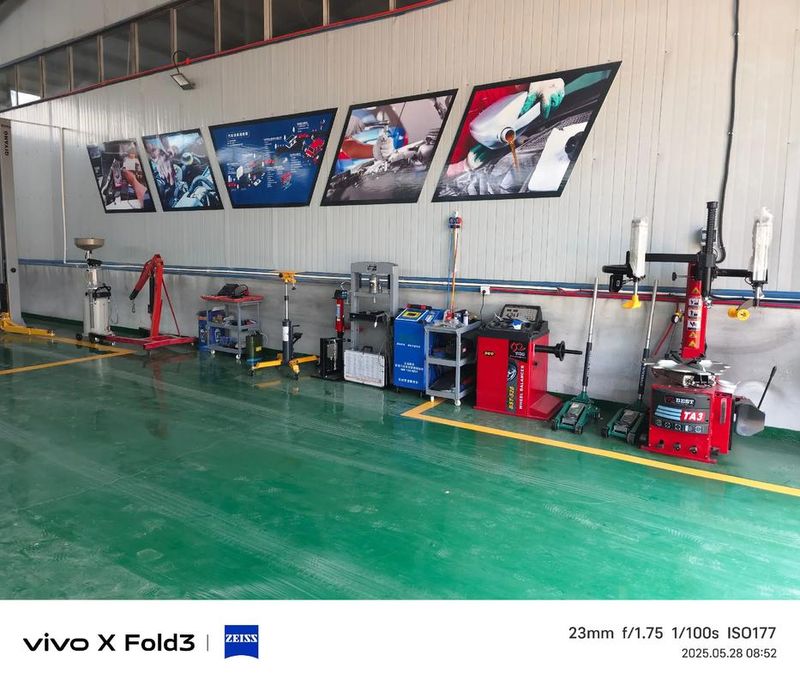
4. 2 vehicle maintenance tools and equipment
The range of tools and equipment required for vehicle maintenance is diverse and covers various aspects of measurement, testing, dismantling and repair. For example, the universal meter is used to detect circuit voltage and currents, the thousands scale is used to measure the size accuracy of the parts, and the wrench and screwdriver are used to remove and install the parts. Specialized tools such as aerodynamic tools, hydraulic tools, welding equipment, etc. Are also widely used in maintenance operations. The use of these tools and equipment will need to be selected on the basis of specific maintenance tasks to improve the efficiency and quality of work and maintenance。
4. 3 overview of vehicle maintenance processes
Vehicle maintenance processes typically include such steps as order, diagnosis, testing, maintenance, testing and delivery. During the receipt phase, maintenance staff conduct a preliminary assessment based on vehicle information and failure descriptions provided by clients. During the diagnostic phase, technicians will use specialized equipment for systematic detection, such as the use of the obd diagnostic device to read the vehicle failure code or to determine the problem through visual inspection. During the testing phase, technicians dismantle vehicles, perform detailed checks and measurements. Maintenance phase, replacement or repair of faulty components based on test results. During the test phase, once the repairs have been completed, the technicians will perform functional tests to ensure that the vehicle is back to normal. At the delivery stage, the maintenance staff will present the maintenance results to the client and