


In a modern, fast-paced life, microwaves, by virtue of their convenient and efficient characteristics, have become “specified” appliances in many family kitchens. However, disputes and misunderstandings about microwaves have persisted. The statement that “microwave heating food produces carcinogenicity” and “microwave radiation is harmful to health” discourages many. As a general body of health knowledge, today, from a scientific point of view, the microwave is being thoroughly analysed to help you understand and use this kitchen。
Microwave heaters are a mystery
The core working principles of the microwave are based on the interaction of microwave with water molecules in food. Microwaves work with electromagnetic waves with a frequency of approximately 2. 45 ghz, that is, microwaves。
Microwaves can penetrate food surfaces and interact with water molecules. Water molecules, with microwave effects, vibrate billions of times per second, generating heat from friction and heating food。
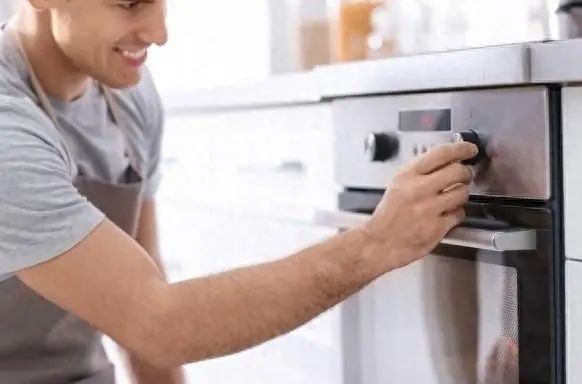
This heating approach and tradition are quite different. Traditional heating, such as stoves and ovens, is the gradual transfer of heat from the surface of food to the interior through heat transfer and heat flow, which is “outward internal”. The microwaves, on the other hand, begin heating from inside the food, which is “outward” and allows the food to reach high temperatures within a short period of time。
Don't be afraid. Radiation's not that bad
Many are concerned that the microwave works with harmful radiation and feel that the food it heats is also radioactive and endangers human health. Actually, that fear is unnecessary。
Microwaves produced by microwaves are non-ionising radiation, similar to cell phone signals and wi-fi signals, and are low in energy and not sufficient to damage human dna structures or trigger genetic mutation。
Moreover, microwave ovens are designed to have multiple protections. The furnace doors are surrounded by metal shielding nets and seals that effectively prevent microwave leakage. At normal working hours, microwave radiation at a distance of 5 cm from the furnace door shall not exceed 5 mw/cm2. A large number of tests indicate that radiation levels are well below safety standards when a qualified microwave is in normal use. As long as the doors are not broken, normal use is safe。
It is believed that heating food with microwaves can lead to a significant loss or even total destruction of food nutrients. Although the heating of microwaves can cause some nutrient loss, it is not an exaggeration。
For vitamin c, it's sensitive to heat. Traditional water boiled vegetables with a vitamin c loss rate of 30-60 per cent, while microwave heating times are short, with vitamin c loss rates usually around 10-20 per cent. Because microwaves heat quickly, they reach cooking temperatures and reduce exposure times at high temperatures, they retain more nutrition. Foods such as blueberries, orchids, which contain antioxidants, the heating of microwaves also helps to increase the bioavailability of antioxidants。
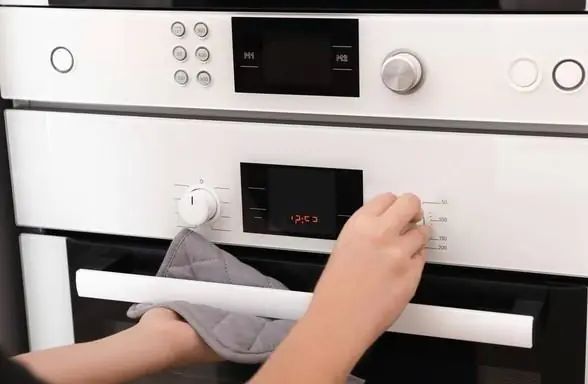
There are concerns about unfrozen food in microwaves, fearing that it may be unfrozen or that it may produce harmful substances. In fact, with the right method, microwave thaws are safe and fast。
When unfrozen with a microwave oven, low power slots are selected, with multiple short-term heating. For example, about 500 grams of meat, one to two minutes of heating each time, is suspended and then flipped or repositioned to continue heating。
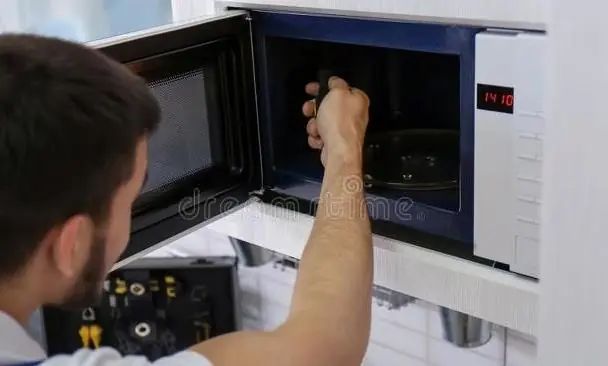
Studies have shown that the rational use of microwaves to unfreeze can reduce the thawing time and reduce bacterial breeding risks. The department of agriculture of the united states also recognizes its safety and that unfrozen and timely cooking does not affect the safety and quality of food。
The statement that “microwave heating food produces carcinogens” is widely available online, leaving many people out of touch with microwaves. But there is no solid scientific basis for this。

Indeed, proper heating of food with microwaves not only does not cause cancer but also reduces the risk of food-borne diseases。
Hazardous substances such as acrylate and polycyclic aromatic hydrocarbons may be produced in high-temperature heating foods, although this is mainly related to heating temperature and time. Microwave furnaces generally do not heat more than 100°c and are less likely to produce these substances. Furthermore, reasonable control of heating times and modes can further reduce risks。
The selection of containers is essential when using microwave heating food. Metal containers must never be placed in microwaves, and metals reflect microwaves, resulting in electric sparks inside microwaves, potentially damaging microwaves and fire hazards。
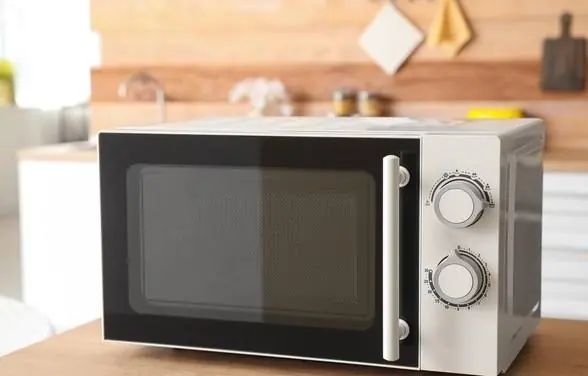
Plastic packagings that do not indicate “microwave safety” are also unsuitable and may release harmful substances and contaminate food at high temperatures。
It is recommended that glass or ceramic packagings marked with a “microwave safety” mark, such as those made of boron silicate glass, be selected, be of good heat tolerance, withstand larger temperature changes and be suitable for heating food in microwaves。
Controlling heating times is key to the safe use of microwaves. The heating time of daily foods is reasonably adjusted to the type of food, quantity and initial temperature. Like ordinary rice, vegetables, heating time is usually two to five minutes; the meat is thick and the heating time may have to be extended, but not too long。
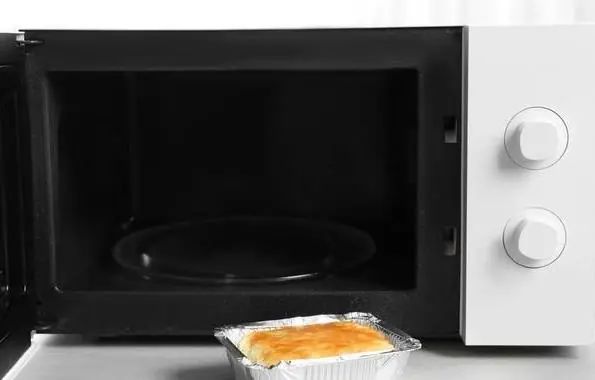
If the heating takes too long, the food evaporation is excessive, it becomes dry, the nutrients lose more, and it may be charred, increasing the risk of harmful substances. Therefore, the heating of food with microwaves is based on the principle of “minimal multiplication” and the timing of heating is adjusted to the actual situation。
To ensure that food is equally heated, food should be placed in the centre of the container before heating. Large or irregular foods, cut into small blocks or thin sheets, increase the area of exposure to microwaves。
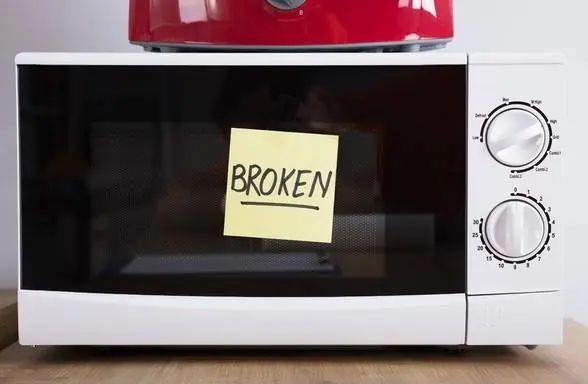
During heating, even heating can also be achieved with proper flipping or mixing of food. For example, heating a bowl of soup, which is suspended every 1-2 minutes, is smoothed and continues, avoiding local overheating or overcooling and preventing burns. Part of the microwave has rotor disks, which are to be heated in such a way as to ensure its normal rotation。
Some foods are not suitable for heating in microwaves, which could otherwise be dangerous. Vegetable fruit such as grapes and blueberries, high internal moisture and gas, rapidly rising internal pressure during heating, and prone to explosion; eggs such as eggs, quail eggs, which produce internal steam that cannot be excreted during heating, may explode or even damage the microwave。
Foods with sealed packagings, such as bags of milk, canisters, etc., cannot be heated directly from the microwave when unopened, as internal pressure in the packaging will rise sharply and cause explosions. Therefore, it is important to understand the characteristics of the food before heating and not to include the food that is not suitable。
In conclusion, microwaves are a safe, efficient and easy kitchen appliance that, if used correctly, not only does not harm human health, but also makes life easier for us。
The heating principle of the microwave is based on the interaction of microwave and water molecules, which, unlike traditional heating methods, allows for rapid, inward and outward heating。
There is a lack of scientific evidence on the various common fault areas of microwaves, such as harmful radiation, nutritional damage, unfrozen insecurity and cancer. In terms of safe use, we need to be careful to select suitable containers, control heating times, ensure that food is evenly heated and avoid heating specific taboos。
In everyday life, you can use microwave stoves to heat food, unfreeze food, etc. Through proper operation and use, the advantages of the microwave are fully realized, making it a good helper in our healthy lives. It is hoped that this scientific article will help to dispel the misunderstanding of the microwave and make more scientific and healthy use of the kitchen appliances。
If you have any questions about the content of the article or if you want to know more about the general aspects of health, you are welcome to share them with me。



