


When cold winds strike or alternate seasons, many suffer from repeated coughing, especially at night or early in the morning, with the sound of cough, even with coughing and asthma. Behind these disturbing symptoms are often the “black hands” of bronchitis. Why does bronchitis keep coughing? What are the mechanisms, causes and coping strategies? This paper will be made public。
I. “dual identity” for bronchitis: acute and chronic
Bronchitis is an inflammation of bronchial mucous membrane and its surrounding tissue, which can be classified as acute and chronic, depending on the length of the disease, both with cough as a core symptom, but with different characteristics。
Acute bronchitis:
Most are caused by viral infections (e. G. Influenza virus, nose virus) or bacterial infections (e. G. Pneumococcus, haemophilus influenzae), often followed by upper respiratory infections such as flu, etc. This is typically characterized by sudden coughs, initially dry coughs, followed by the gradual appearance of white or yellow slime, which can be accompanied by heat, sores and nasal plugs. The course usually lasts for one to three weeks, and most patients are self-rehabilitated, but the immunosupplied may remain。
Chronic bronchitis:
The early stages of chronic obstructive pulmonary disease (copd) are characterized by long, repeated coughing, which lasts for more than three months each year for two years or more. Coughs tend to increase in the early morning hours and can be caused at night by the accumulation of sip fluid, which is white foam or mucous. Chronic bronchitis is often closely associated with factors such as smoking, air pollution, occupational exposure (e. G. Dust, chemical substances) and may develop into emphysema or even respiratory failure without timely intervention。
Coughing: “four major causes” of bronchitis
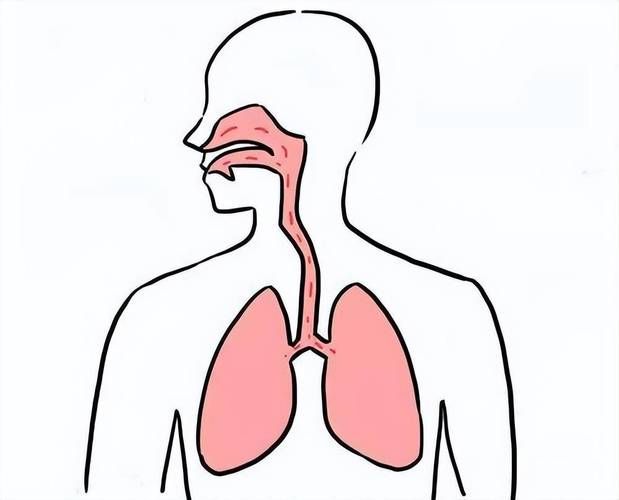
Cough caused by bronchitis does not exist in isolation, but is the result of a combination of factors。
1. Inflammatory:
When mucous bronchial membranes are affected by viruses, bacteria or allergies, a large number of inflammatory media (e. G., aminoamine, prostate) are released, directly irritating the cough sensor and triggering reflex cough. This cough is a self-protection mechanism for the body to remove pathogens and secretions, but excessive or persistent inflammation can lead to a lingering cough。
Increased sluice:
Inflammation leads to an increase in bronchial glands, a surge in mucous fluids, and an increase in the volume of glucose fluids. When the fluid is stuck inside the bronchial tube, it stimulates the gas route to cause cough and attempts to excrete it by coughing. If the acupuncture is so thick that it is difficult to cough, it may form a cavity barrier, further exacerbating coughing and breathing difficulties。
3. Aerodynamics:
Bronchial inflammation patients suffered damage to their gas-coated mucous membranes, exposure to nerve endpoints, and a significant increase in sensitivity to irritation such as cold air, smoke, dust, etc., even minor irritation can cause severe coughing. This “over-reaction” is particularly common among chronic bronchitis patients and is an important cause of recurrent coughing。
4. Co-infection:
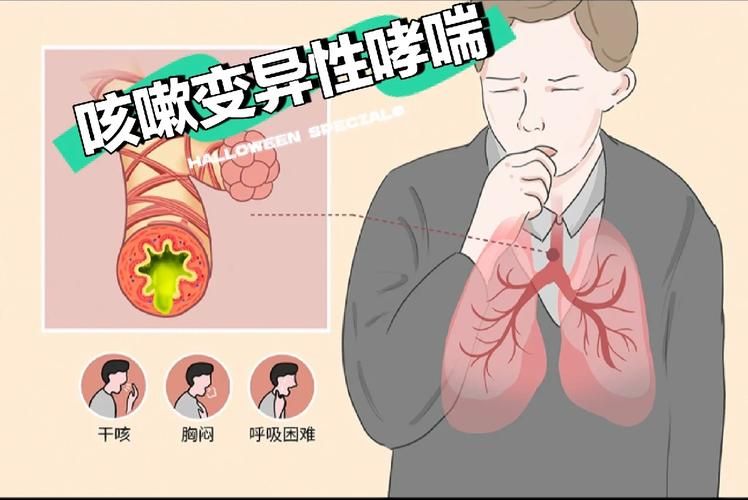
People with acute bronchitis with low immune capacity may have secondary bacterial infections (e. G., pneumococcus, crebercus pneumonia), leading to an increase in inflammation and an increase in sluice, while those with chronic bronchitis are vulnerable to acute increases due to viral or bacterial infections, in the form of increased coughing, an increase in the volume and abscessiveness, even associated with heat and asthma。
Scientific response: from symptoms to root causes
Cough caused by bronchitis requires integrated treatment based on course and cause。
Acute bronchitis:
Treatment of disorders: use of central coughs such as the right methadone to mitigate dry coughs; ambrone, bromine et al. To facilitate fluid discharge; inhalation of bromine extremizers such as salbutamol if breathing。
Anti-infection treatment: bacteriological infections require the use of antibiotics (e. G., amosilin, furcinol); viral infections focus on treatment support for the disease and avoid the misuse of antibiotics。
General treatment: drinking water, keeping the air wet, avoiding irritating foods, helping to dilute the sluice and mitigate cough。
Chronic bronchitis:
Long-term management: cessation of smoking is the first measure that significantly slows progress; exposure to harmful substances such as second-hand smoke and dust is avoided; influenza and pneumococcal vaccines are administered to prevent infection。
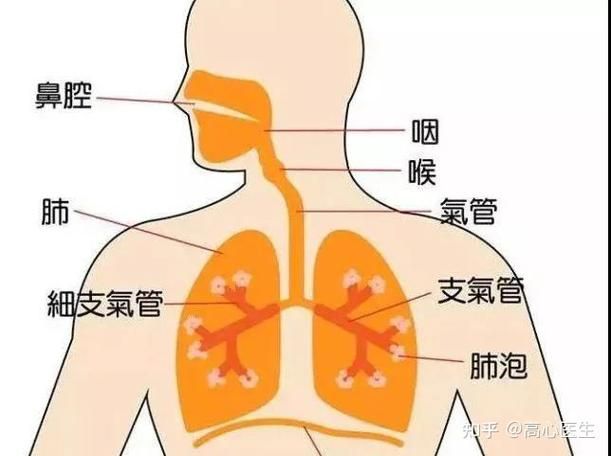
Drug treatment: the routine use of inhaled sugar cortex hormones (e. G., boudinaid) combined with long-acting beta-2 receptor agonists (e. G., formotero) can reduce respiratory inflammation and convulsions; the use of osteoporosis in the case of dioxins; and the regular use of antibiotics or immunostats in the case of repeat infections。
Rehabilitation training: respiratory exercise, such as lip breathing, abdominal breathing, enhances respiratory muscles and improves aerobics; moderate exercise (e. G. Walking, tai chi) helps improve immunity。
Prevention is better than cure: safeguarding respiratory health
Increased immunity: balanced diet, regularity, moderate exercise, avoiding overtired fatigue, helps maintain normal functioning of the immune system。
Stay away from irritants: quit smoking and avoid exposure to second-hand smoke; wear masks when air pollution is severe and reduce outdoor exercise time。
Prevention of infection: hand-washing, avoiding close contact with people with flu; vaccination during high influenza season。
Periodic medical check-ups: people at high risk (e. G. Long-term smokers, older persons) should undergo regular lung function checks and early detection of gastropathic disorders。
Despite the vexing cough caused by bronchitis, through scientific knowledge, normative treatment and proactive prevention, we are well placed to control the symptoms, slow the progression of the disease and allow re-respiration. When the cough continues, it is critical to escape from the “cough” problem that medical treatment be provided in a timely manner, without self-medicating or delaying. Zhiguang



