


The lubricant is a well-deserved “core blood” in the operating systems of various types of air presses, such as screws and pistons, which directly determine the operational stability, useful life and energy consumption levels of the air press. Many air pressure failures and equipment depletion problems are rooted in the selection, use and maintenance of lubricants. This paper provides a practical overview of the core knowledge of air pressure oils, decomposes the selection, replacement and sorting points in a practical manner, and helps to streamline the process of managing lubricants。
I. Central role of air pressure lubricants
First, it should be made clear that air pressure lubricating oil is no ordinary oil and that it is a specialized oil developed for air pressure high temperatures, high pressure, high-speed work, with four central functions: first, lubrication, which forms the oil membrane in the rotors, pistons, bearings, etc., and avoids the direct wear of metals; second, cooling cooling, absorbing large amounts of heat generated by air pressure compressed by air pressure, and maintaining the normal operating temperature of the equipment; third, sealing leaks, filling the rotor faults, cracks in the cylinders, increasing the efficiency of air compression and reducing gas leaks; and fourth, protection against rust, insulation of water in the air, impurities, preventing the internal parts from rusting, corrosing, while removing oil sludge, metal scrap and maintaining the internal cleaning of the equipment。
Classification and application of air pressure lubricants
Air-pressure lubricants are divided into two main categories, depending on the base oil composition, and are adapted to different equipment and conditions:
1. Mineral-type air pressurizer lubricating oil, made from petroleum refining, with low cost and high value, for small, intermittent and mild piston air presses, usually with a replacement cycle of 1000-1500 hours。
2. Synthetic air-pressure lubricating oils, divided into semi-synthetic and full-synthetic oils, using chemically synthetic base oils, with high temperature resistance, antioxidation and anti-emulsification properties, which are suitable for a screwdriver operating 24-hour cycle, high pressure, high temperature conditions, with full-synthetic oil-for-oil cycles of 4,000-8,00000 hours and long-term use to reduce transportation costs。
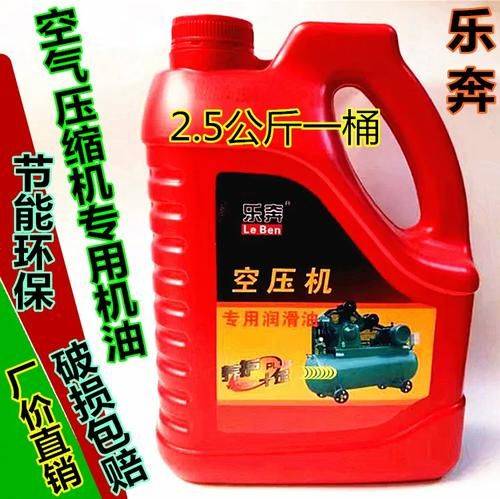
Practical reminder: the mixing of different brands, different types of lubricating oil is strictly prohibited to avoid chemical reactions to oil, resulting in oil mud jamming roads。
Iii. Elective steps for lepretation
(a) step 1: check the specifications of the equipment and prioritize the use of specially designed lubricant for the specified models and specifications of the air pressure plant, which is the most secure option
(a) step 2: the choice of full-synthetic lubricating oil must be made in a high-temperature, high-humid and dusty environment adjusted to operational conditions
Step three: focus on viscosity indicators, spiral air presses are commonly used as lubricant 46, and piston air presses can choose between 32 and 68, depending on their power, to ensure low-temperature start-up and high-temperature oil film stability
Step 4: recognition of formal brands, rejection of poor quality non-specified oils and avoidance of damage to core components due to quality of oil。
Iv. Lubricant replacement and inspection of the exercise process
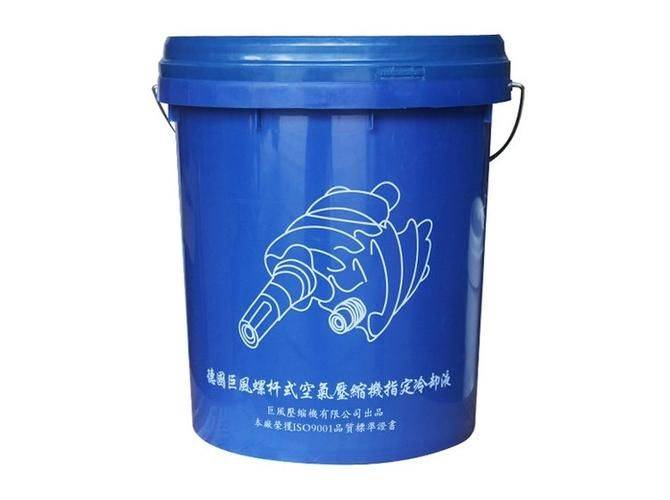
1. Periodic inspection: weekly inspection of the oil table to ensure that the oil table is too low to supplement the same type of oil in a timely manner between the scales on and below the oil lens
2. Oil detection: monthly observation of oil colour and state, transparent and light yellow for normal oil, and immediate replacement in case of hair blacking, emulsion, fuzzy and smelly
3. Replacement of oil on time: strict adherence to the oil exchange cycle and replacement of oil filters, oil and gas separators to avoid new oils from old oils and impurities
4. Oil-refuelling operations: stopping of the aircraft pending cooling of the equipment, emptying of old oil, cleaning of tanks, insertion of new oil and start-up equipment to check for leakage and normal oil levels。
V. Steps for screening common lubricants failure
Fx 1: oil emulsion to white
(b) to check whether the oil and gas separators are damaged to prevent water from entering the oil route。
Fault 2: oil consumed too fast
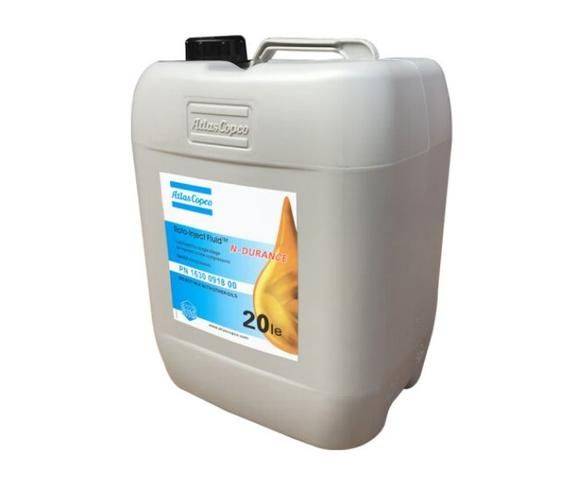
(b) check if the oil and gas separator is inoperable, resulting in the release of the oil into the air。
Fault three: oil turned black
(b) confirm whether the equipment is operating at excessive temperatures and accelerates the oxidation of the oil。
Vi. Attention to lubricants storage
Lubricated oils need to be sealed in dry, cool and ventilated areas to avoid direct sunlight and rain soaking and to prevent tidal and oxidizing deterioration of the oil. The oil should be used as soon as possible after its opening, with a storage period not exceeding 12 months, to ensure stability in its performance。
The management of air-pressure lubricants is the core element of the equipment's transport, and the process of selecting, inspecting, replacing and routing can reduce equipment failure, lower maintenance costs and increase the efficiency of air-pressure operations and extend the useful life of the equipment. Following this, we will continue to share the skills of air-voltage maintenance, and welcome your continued attention



